

- By kelly
- December 4, 2025
- Logistics, Tips or Guide
Reefer FCL Freight Rate for Auto Parts from China to Ireland
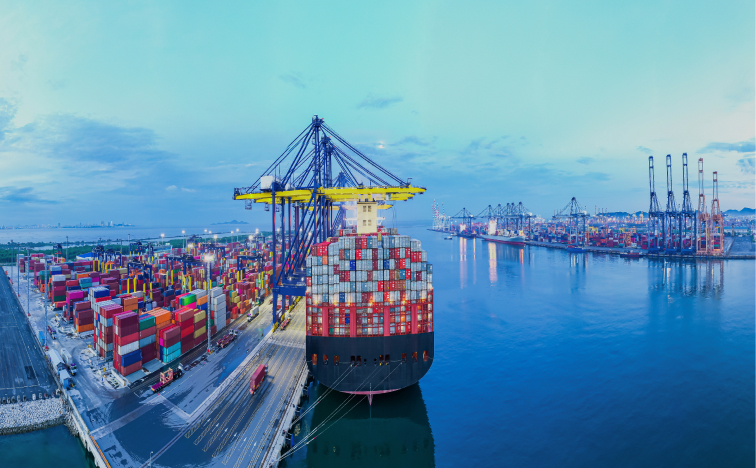
When shipping temperature-sensitive or moisture-prone automotive components across continents, choosing the reefer FCL freight rate for auto parts from China to Ireland becomes critical. Whether you’re transporting EV batteries, lubricated parts, or delicate electronics, maintaining controlled shipping conditions while keeping costs in check ensures supply chain efficiency and product integrity. This article explores reefer container pricing, route selection, transit times, required documents, and cost optimization tips tailored specifically to the auto industry.
1. Why Use Reefer FCL for Shipping Auto Parts?
Although reefer containers are commonly used for perishables, many types of auto parts benefit from temperature and humidity-controlled environments, including:
- Electric vehicle (EV) batteries
- Engine control modules (ECUs)
- Adhesive-bonded components
- Pre-lubricated or rubber-based parts
- Climate-sensitive diagnostics equipment
Moreover, sudden weather changes during ocean transit may cause moisture build-up or condensation damage if not mitigated by refrigerated shipping.
2. How Much Does Reefer FCL Freight Cost from China to Ireland?
| Origin Port | Estimated Freight Rate (USD) | Transit Time (Days) | Notes |
|---|---|---|---|
| Shanghai | $6,200 – $7,100 | 28–36 | Direct Europe routing via transshipment hub |
| Ningbo | $6,000 – $6,900 | 29–38 | Competitive rates, slightly longer transit |
| Shenzhen | $6,400 – $7,300 | 30–40 | Premium service, better equipment availability |
| Qingdao | $6,600 – $7,500 | 32–42 | Ideal for northern factories exporting parts |
Note: Rates may fluctuate based on seasonality, fuel costs, reefer plug fees, and container availability.
3. What Factors Influence Reefer FCL Freight Rates?

Several factors affect the final reefer shipping cost:
- Port pair & carrier selection
- Seasonal demand (Q4 and Q1 are peak for electronics and auto)
- Special reefer container surcharges
- Fuel and bunker adjustment factor (BAF)
- Temperature setting and power draw
- Route congestion or blank sailings
Additionally, insurance costs and terminal handling charges (THC) may vary by destination port in Ireland (e.g., Dublin vs. Cork).
4. What Are the Ideal Routes for Reefer FCL from China to Ireland?
| Chinese Port | Transit Route | Irish Port of Discharge | Transit Time (Days) | Carrier Examples |
|---|---|---|---|---|
| Shanghai | China → Rotterdam → Dublin | Dublin | 28–36 | Maersk, CMA CGM |
| Shenzhen | via Singapore or Colombo → Dublin | Dublin | 30–40 | Hapag-Lloyd, Evergreen |
| Ningbo | via Hamburg → Cork or Belfast | Cork / Belfast | 29–38 | COSCO, MSC |
| Qingdao | via Antwerp → Dublin | Dublin | 32–42 | ZIM, Yang Ming |
Rotterdam is the most common transshipment hub for reaching Ireland via feeder services.
5. How Does Reefer FCL Compare to Other Shipping Modes for Auto Parts?
| Mode | Transit Time | Cost | Best For | Cons |
|---|---|---|---|---|
| Reefer FCL | 28–42 days | $$$ | Climate-sensitive bulk cargo | Higher base cost than dry FCL |
| Dry FCL | 25–40 days | $$ | General auto parts | No humidity or temperature control |
| Air Freight | 3–6 days | $$$$$ | Emergency diagnostics or small packages | Expensive, not viable for bulky items |
| Rail + Truck | 20–30 days | $$$ | Central Europe (not ideal for Ireland) | Not a direct route to Ireland |
Reefer FCL is a practical solution for balancing protection and cost across long distances.
6. What Is the Typical Container Pricing Structure for Reefer FCL?
| Charge Type | Estimated Cost (USD) | Notes |
|---|---|---|
| Ocean Freight (Base Rate) | $6,000 – $7,500 | Depending on origin, volume, and routing |
| Reefer Equipment Surcharge | $300 – $500 | Added to base for refrigerated unit use |
| Port Handling Charges | $150 – $300 | Varies by port terminal and size |
| Insurance (All-Risk) | 0.4% – 0.6% of cargo value | Strongly recommended for electronics and fragile items |
| Reefer Plug Charges (if delayed) | $80 – $150/day | Storage at terminals with reefer power plug-in |
Avoiding detention or demurrage is key to keeping total costs manageable.

7. What Are the Main Documents Needed for Shipping Auto Parts via Reefer FCL?
| Document | Purpose |
|---|---|
| Commercial Invoice | Declares product value and trade terms |
| Packing List | Details item count, dimensions, and packaging |
| Bill of Lading | Legal transport document and cargo ownership record |
| Certificate of Origin | Needed for preferential duties under EU agreements |
| ISF (Importer Security Filing) | U.S.-bound only, but needed if using U.S. ports |
| Temperature Setting Declaration | Ensures correct reefer conditions during transit |
Ensure all documents are prepared and shared digitally in advance to avoid port delays.
8. How Should Reefer Containers Be Configured for Auto Parts?
| Auto Part Type | Ideal Temp (°C) | Humidity Control | Packaging Tip |
|---|---|---|---|
| EV Batteries | 15–25°C | Moderate (45–55%) | Foam insulated pallets |
| ECU / Electronics | 10–20°C | Low (≤40%) | Anti-static wrap, sealed cartons |
| Rubber Components | 12–22°C | Medium (50–60%) | Plastic film wrapping, ventilated crates |
| Coated Engine Parts | 18–25°C | Moderate | Corrosion inhibitors inside containers |
Always pre-test your reefer unit and record temperature logs for compliance audits.
9. Can You Save on Reefer FCL Freight Rates Without Sacrificing Safety?
Yes—use these strategies:
- Book in advance (3–4 weeks) to avoid peak season surcharges
- Use multiple ports of loading (Shanghai, Ningbo, etc.) for space availability
- Consolidate high-value goods into a single FCL
- Work with forwarders offering contract rates
- Avoid port congestion hubs during high-traffic months
Moreover, requesting split routing (e.g., reefer to Rotterdam, dry leg to Ireland) can cut costs for select parts.
10. Should You Work with a Specialist Freight Forwarder for Reefer FCL to Ireland?
Absolutely. A reefer freight expert can:
- Offer priority container space reservations
- Help define correct reefer settings
- Handle temperature-sensitive documentation
- Offer cargo insurance for electronics or lithium batteries
- Track your container across multiple shipping legs
This is especially important when importing into smaller ports like Cork or Belfast that involve feeder vessel connections.
📦Get a Free Quote
We specialize in helping auto suppliers secure the most reliable reefer FCL freight rate for auto parts from China to Ireland. From selecting optimal routes and negotiating rates to managing customs and coordinating reefer container configurations, we ensure your shipment arrives safely, on time, and within budget. Contact us now to get your personalized logistics quote and protect your temperature-sensitive cargo.
❓ Frequently Asked Questions
1. What is the average reefer FCL freight rate from China to Ireland?
Expect $6,000–$7,500 depending on origin, season, and reefer configuration.
2. Do auto parts really need reefer containers?
Yes, especially EV batteries, electronics, and adhesive-based components sensitive to heat or moisture.
3. What’s the best port in China for reefer shipments to Ireland?
Shanghai offers the most consistent sailings and efficient connections to Irish ports via Rotterdam.
4. How long does reefer FCL shipping to Ireland take?
Transit time ranges from 28–42 days depending on route, port, and carrier schedule.
5. What happens if reefer settings fail mid-voyage?
You can claim losses if all-risk insurance is in place and reefer logs confirm temperature deviation.
Conclusion
The reefer FCL freight rate for auto parts from China to Ireland is shaped by multiple factors—equipment type, seasonality, routing, and transit conditions. Choosing the right carrier, planning ahead, and understanding documentation and temperature requirements can save costs and avoid disruptions. For manufacturers and exporters of automotive components, investing in the right reefer logistics strategy pays off in delivery reliability and product integrity.
Let experts handle the complexities of reefer logistics—start planning your shipment with precision today.