

Shipping temperature-sensitive or moisture-sensitive furniture across long distances requires careful planning, and understanding the Reefer FCL freight rate for furniture from China to Ireland is crucial for cost control. Although challenges like rising shipping costs and seasonal capacity limits occur, shippers can reduce risks by selecting the right reefer container, planning ahead, and optimizing logistics strategies.
1. What Determines the Reefer FCL Freight Rate for Furniture from China to Ireland?
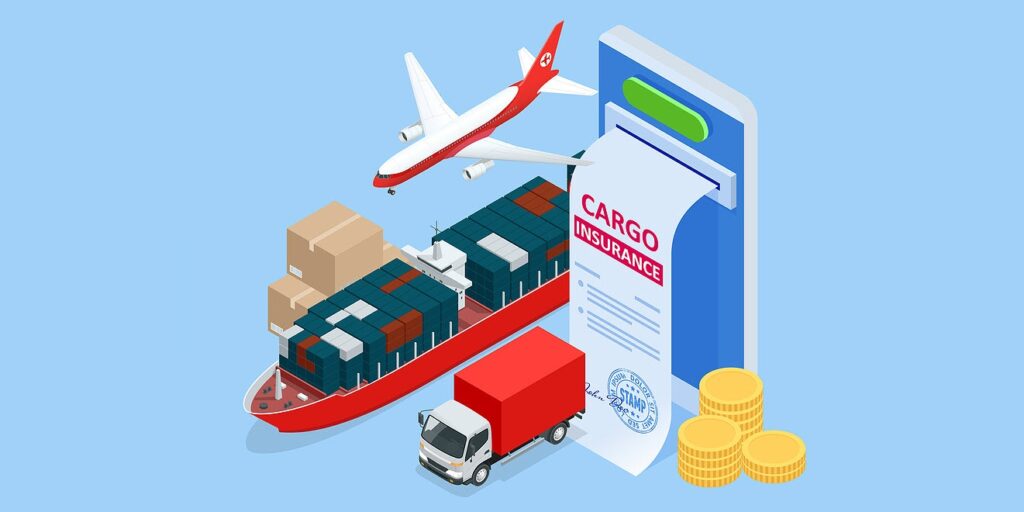
The reefer freight rate depends on multiple factors, and many importers underestimate how variable these charges can be. However, by examining rate components clearly, shippers can manage budgets more confidently. Major cost elements include ocean freight base rate, reefer equipment surcharge, peak season surcharge (PSS), bunker adjustment factor (BAF), and port-specific terminal handling charges (THC). Additionally, furniture type influences costs because wooden, upholstered, or leather furniture may require different humidity or temperature settings.
2. How Does Reefer FCL Shipping Compare with Dry FCL for Furniture?
Although some furniture can travel safely in dry containers, high-value or humidity-sensitive pieces may suffer mold, warping, or moisture damage. Therefore, reefer FCL offers key advantages through controlled climate conditions. However, reefer freight rates are typically higher due to equipment shortages, higher energy usage, and premium handling requirements.
Comparison: Reefer vs Dry FCL for Furniture Shipping
Table: Reefer FCL vs Dry FCL Comparison
| Feature | Reefer FCL | Dry FCL |
|---|---|---|
| Temperature/Humidity Control | Yes | No |
| Mold & Moisture Protection | Very High | Low |
| Freight Rate | Higher | Lower |
| Cargo Safety | Excellent | Moderate |
| Suitable for High-Value Furniture | Yes | Partially |
3. What Are the Typical Reefer FCL Freight Rates from China to Ireland?
Reefer rates vary weekly, and they fluctuate based on global equipment supply. Additionally, fuel prices and trade lane demand impact the rate structure. The following table provides an estimated cost range (for reference only):
Estimated Reefer FCL Freight Rate (China → Ireland)
| China Port | Ireland Port | Estimated Reefer FCL Rate (USD) |
|---|---|---|
| Shanghai | Dublin | $6,500 – $8,200 |
| Ningbo | Dublin | $6,200 – $7,900 |
| Shenzhen/Yantian | Dublin | $6,700 – $8,400 |
| Qingdao | Dublin | $6,400 – $8,100 |
4. How Long Is the Reefer FCL Transit Time from China to Ireland?
Furniture importers must plan shipment timing carefully, especially since reefer equipment is limited during peak seasons. Therefore, transit times are a crucial part of logistics planning.
Transit Time Table: China → Ireland (Reefer FCL)
| China Port | Ireland Destination | Transit Time |
|---|---|---|
| Shanghai | Dublin | 32–38 days |
| Ningbo | Dublin | 30–36 days |
| Shenzhen/Yantian | Dublin | 33–40 days |
| Qingdao | Dublin | 34–41 days |
5. Why Should Furniture Importers Use Reefer Containers for Moisture-Sensitive Cargo?
Many furniture items—especially solid wood, plywood, veneer, and leather—are extremely vulnerable to moisture swings. Moreover, Ireland’s humid climate can worsen mold risks. Reefer FCL remains the best option when the cargo includes:
- Solid wood furniture
- Leather sofas or chairs
- High-end interior furnishings
- Luxury hotel or showroom furniture
- Antique or handcrafted furniture
Reefer containers maintain stable humidity and airflow, ensuring structural integrity and preventing discoloration, mold, or odor.
Additionally, reefer containers offer consistent fresh-air exchange, which is critical when furniture is treated with varnish or wood coatings that emit vapors.
6. What Additional Costs Should Importers Expect When Shipping Furniture in Reefer FCL?
Besides the base reefer FCL freight rate, shippers must consider several extra charges. These are often overlooked, yet they significantly impact total logistics cost.
Table: Common Additional Charges for Reefer FCL Shipping
| Cost Item | Description | Estimated Amount |
|---|---|---|
| Reefer Plug-in Fee | Power supply at terminals | $60–$120/day |
| Monitoring Fee | Reefer condition monitoring | $50–$90 |
| PSS | Peak season surcharge | $150–$300 |
| GRI | Rate increase during high demand | Varies monthly |
| THC (Origin/Destination) | Terminal handling | $200–$350 per side |
| Customs Clearance | Document processing | $100–$180 |
| Quarantine/Inspection Fee | Depending on cargo | Varies |
Are you ready to book?
Access live instant freight quotes
7. How Can Shippers Reduce the Reefer FCL Freight Rate for Furniture from China to Ireland?
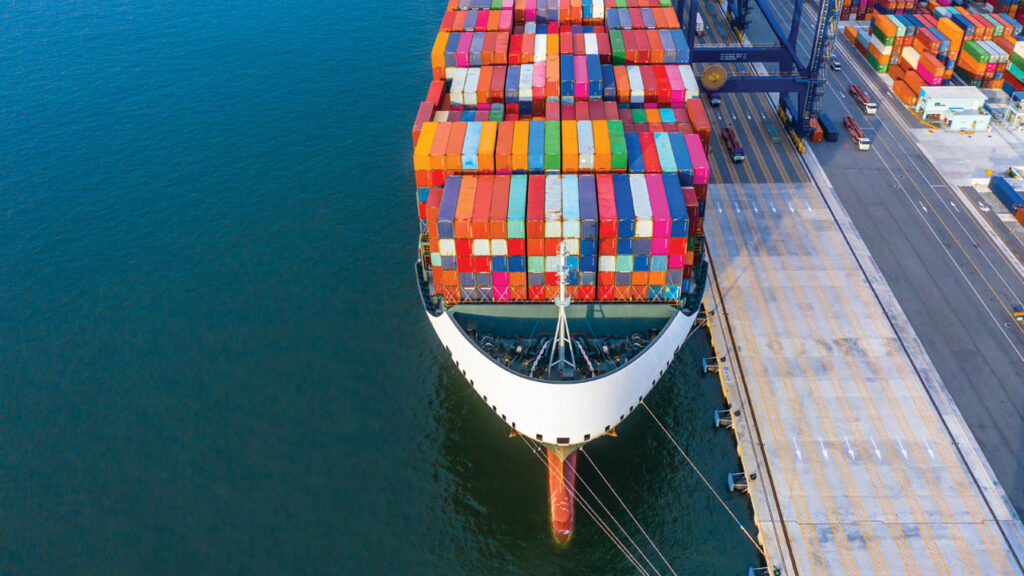
Although reefer costs appear unavoidable, importers can adopt several strategies to lower overall freight spending. Moreover, some optimization techniques help improve transit time reliability.
Effective Cost-Reduction Strategies
- Book 2–3 weeks in advance
- Consolidate orders into full containers
- Choose flexible departure dates
- Select suppliers near major ports
- Use experienced reefer forwarders
8. What Documentation Is Required When Shipping Furniture in a Reefer FCL?
Furniture shipments involve special documentation, especially if wooden furniture requires fumigation or quarantine clearance.
Customs Documents Checklist
| Document | Description |
|---|---|
| Commercial Invoice | Full cargo value and buyer/seller details |
| Packing List | Detailed item list with materials |
| Bill of Lading | Shipping contract & ownership |
| Fumigation Certificate | Required for wood items |
| Certificate of Origin | Preferential duty eligibility |
| HS Codes Declaration | Categorized by furniture type |
| Insurance Policy | Cargo protection document |
9. What Are the Pros and Cons of Using Reefer FCL for Furniture Shipments?
Since many importers want to understand whether reefer FCL is truly necessary, comparing the advantages and disadvantages provides clarity.
Table: Pros and Cons of Reefer FCL Shipping
| Pros | Cons |
|---|---|
| Temperature & humidity control | Higher freight rate |
| Prevents mold & moisture damage | Limited equipment |
| Ideal for high-value pieces | Higher monitoring fees |
| Superior cargo protection | Requires early booking |
10. What Are the Best Practices for Preparing Furniture for Reefer FCL Shipping?
Proper packaging plays a vital role in maintaining product quality during transit. Although reefer containers offer humidity control, additional measures ensure maximum protection.
Best Practices Checklist
- Use moisture-resistant packaging
- Add silica gel or dehumidifiers
- Use wooden crates for fragile items
- Wrap leather furniture with breathable covers
- Ensure pallets are ISPM-15 compliant
Conclusion
Understanding the Reefer FCL freight rate for furniture from China to Ireland enables importers to minimize shipping risks, maintain product quality, and avoid costly moisture-related damage. Although reefer shipping costs more than dry FCL, the added protection against humidity, mold, and structural distortion makes it the preferred choice for high-value or sensitive furniture shipments. Planning early, preparing proper documentation, and working with skilled reefer logistics specialists ensures every shipment reaches Ireland safely, efficiently, and in perfect condition.
FAQ
1. How far in advance should I book a reefer FCL container?
Booking two to three weeks early ensures equipment availability, avoids peak-season shortages, and helps secure more stable freight rates for sensitive furniture shipments.
2. Can leather or upholstered furniture be safely shipped in reefer FCL?
Yes. Reefer FCL protects leather and fabric materials from humidity changes, mold, and temperature fluctuations, ensuring excellent condition upon arrival in Ireland.
3. Why do reefer freight rates fluctuate frequently?
Reefer rates change due to seasonal equipment shortages, bunker fuel variations, peak demand cycles, and capacity issues on major China–Europe shipping routes.
4. Do wooden furniture items require fumigation before export?
Most wooden furniture requires an ISPM-15 compliant fumigation certificate, ensuring smooth customs clearance and preventing delays caused by quarantine inspections at destination.
5. Are reefer transit times faster than dry container shipments?
Transit times are similar, although minor delays may occur due to reefer equipment allocation or monitoring requirements during the shipping process.