

Reefer FCL Freight Rate for Medical Equipment China to LA
“Shipping temperature-sensitive medical equipment from China to Los Angeles demands precision and expertise. Navigating the complexities of reefer FCL freight rates, customs regulations, and transit times can be challenging for importers, potentially jeopardizing product integrity and delivery schedules. Fortunately, China Top Freight specializes in optimizing these critical logistics, ensuring your valuable cargo arrives safely and efficiently.”
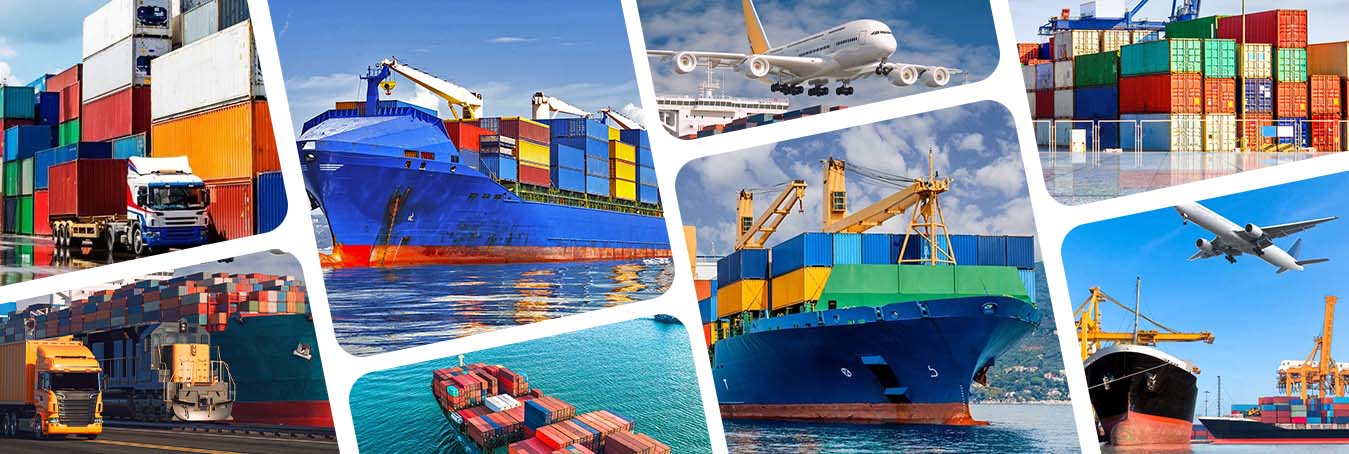
What is Reefer FCL Freight and Why is it Crucial for Medical Equipment?
❖Reefer FCL refers to a Full Container Load (FCL) shipment utilizing a refrigerated (reefer) container. This specialized shipping method is indispensable for goods requiring strict temperature control throughout their journey.
Crucially, medical equipment such as vaccines, diagnostic kits, and certain pharmaceuticals are highly sensitive to temperature fluctuations. Maintaining a consistent cold chain prevents degradation, preserves efficacy, and ensures product integrity upon arrival.
Therefore, choosing reefer FCL freight for medical equipment from China to Los Angeles is not merely a preference, but a regulatory and quality imperative. It safeguards your valuable cargo against potential damage from heat, cold, or humidity.
Moreover, FCL shipments offer exclusive use of the container, minimizing handling and reducing the risk of contamination or damage. This dedicated space is particularly beneficial for high-value or fragile medical devices.
Understanding Reefer FCL Freight Rate for Medical Equipment from China to Los Angeles
❖The reefer FCL freight rate for medical equipment from China to Los Angeles is influenced by numerous dynamic factors. These can cause significant variations in shipping costs over time, necessitating careful planning and up-to-date market insights.
Primarily, the global supply and demand for shipping containers, particularly reefers, play a major role. Peak shipping seasons, such as before major holidays or during high consumer demand periods, often drive rates upwards.
Furthermore, fuel surcharges, port congestion at origin and destination, and carrier capacity directly impact pricing. Geopolitical events or unexpected disruptions can also introduce volatility into the market.
Consequently, obtaining a current and comprehensive quote is essential for accurate budgeting. Forwarders like China Top Freight monitor these variables closely to provide competitive and reliable pricing.
| Factor | Impact on Rate | Consideration |
|---|---|---|
| Seasonality | Higher during peak seasons (Q3/Q4) | Book in advance to mitigate increases. |
| Fuel Costs | Directly affects bunker surcharges | Monitor global oil prices for trends. |
| Container Availability | Scarcity drives rates up | Demand for reefers can be volatile. |
| Port Congestion | Causes delays and surcharges | Choose less congested ports if possible. |
| Route & Carrier | Direct routes can be pricier but faster | Evaluate carrier reliability and transit time options. |
How Does Reefer FCL Compare to Other Shipping Options?
❖When shipping medical equipment from China to Los Angeles, several options exist, each with distinct advantages and disadvantages. Reefer FCL sea freight stands out for its balance of cost-effectiveness and capacity, especially for large volumes.
However, other methods might be more suitable depending on your specific needs, such as urgency, cargo volume, and budget constraints. Understanding these alternatives is crucial for making an informed logistics decision.
For instance, air freight offers unparalleled speed but comes at a significantly higher cost. Conversely, sea freight, while slower, provides substantial cost savings for bulk shipments.
In addition, Less than Container Load (LCL) reefer options exist for smaller volumes, but they typically incur higher per-unit costs and longer transit times due to consolidation processes. LCL also introduces more handling points, which can increase risk for delicate cargo.
| Shipping Method | Cost Range (40HQ) | Transit Time | Best For | Limitations |
|---|---|---|---|---|
| Reefer FCL Sea Freight | $2,800 – $3,800 | 14-18 days | Large, temperature-sensitive volumes; cost-effective | Slower than air; port congestion risks. |
| Reefer LCL Sea Freight | $80 – $120/CBM | 20-25 days | Smaller, temperature-sensitive volumes | Higher per-unit cost; more handling points. |
| Air Freight (Temperature-Controlled) | $15,000 – $25,000 | 3-7 days | Urgent, high-value, critical medical supplies | Very high cost; limited volume capacity. |

Navigating Customs, Regulations, and Documentation for Medical Equipment
❖Importing medical equipment into the United States requires meticulous adherence to various regulations. Consequently, navigating U.S. Customs and Border Protection (CBP) and Food and Drug Administration (FDA) requirements is paramount for smooth entry.
Specifically, medical devices, pharmaceuticals, and other health-related products are subject to strict FDA oversight. Importers must ensure their products comply with all labeling, registration, and pre-market approval standards.
Moreover, proper documentation is critical to avoid delays and penalties. Key documents include a commercial invoice, packing list, bill of lading, certificate of origin, and any necessary import permits or declarations.
Therefore, engaging a knowledgeable customs brokerage service is highly recommended. These experts can pre-clear shipments, classify goods correctly, and ensure all regulatory requirements are met, streamlining the import process for your reefer FCL freight rate for medical equipment from China to Los Angeles.
Optimizing Transit Time and Delivery Schedules
❖While sea freight is inherently slower than air, strategic planning can significantly optimize transit times for your reefer FCL medical equipment from China to Los Angeles. Choosing the right route and carrier is fundamental.
Direct shipping routes, for example, minimize transshipment points, thereby reducing overall transit duration and handling risks. Many major carriers offer express services to the U.S. West Coast, with transit times as low as 12-14 days.
Furthermore, selecting ports with high efficiency and lower congestion can shave days off the total delivery schedule. Shanghai, Ningbo, and Shenzhen are common departure ports, while Los Angeles and Long Beach are primary arrival points for U.S. West Coast shipments.
In addition, utilizing a reliable logistics partner offering door-to-door services can further streamline the process. They manage all legs of the journey, including inland transportation, ensuring seamless transitions and timely final delivery.
Real-World Case Studies: Reefer FCL Medical Equipment Shipments
❖These case studies illustrate the practical application of reefer FCL logistics for medical equipment, highlighting diverse scenarios and successful outcomes. They provide insights into typical costs and timelines for shipments from China to Los Angeles.
Based on Q4 2024 market rates, these examples reflect common challenges and effective solutions in cold chain management. Each scenario underscores the importance of precision and expert coordination in medical logistics.
Case Study 1: Vaccine Shipment from Shanghai to Los Angeles
This shipment involved a critical batch of vaccines requiring stringent temperature control. The client prioritized cold chain integrity and timely delivery to a major hospital network in California.
| Category | Details |
|---|---|
| Route | Shanghai, China Los Angeles, USA |
| Cargo | Vaccines, 60 CBM, 15,000 kg |
| Container | 40HQ Reefer |
| Shipping Details | Carrier: COSCO, Port of Loading: Shanghai, Port of Discharge: Los Angeles, Route Type: Direct |
| Cost Breakdown | Ocean Freight: $3,500, Origin Charges: $450, Destination Charges: $500, Customs & Duties (estimated): $800, Total Landed Cost: $5,250 |
| Timeline | Booking to Loading: 5 days, Sea Transit: 16 days, Customs Clearance: 3 days, Total Door-to-Door: 26 days |
| Key Insight | Strict temperature logging and real-time monitoring were crucial for vaccine integrity throughout the journey. |
Case Study 2: Diagnostic Kits from Shenzhen to Los Angeles
A pharmaceutical distributor needed to replenish stock of diagnostic kits, which are sensitive to humidity and moderate temperature changes. Cost-efficiency was a key consideration alongside reliable transit.
| Category | Details |
|---|---|
| Route | Shenzhen, China Los Angeles, USA |
| Cargo | Diagnostic Kits, 28 CBM, 8,000 kg |
| Container | 20GP Reefer |
| Shipping Details | Carrier: MSC, Port of Loading: Shenzhen, Port of Discharge: Los Angeles, Route Type: Direct |
| Cost Breakdown | Ocean Freight: $2,000, Origin Charges: $350, Destination Charges: $400, Customs & Duties (estimated): $600, Total Landed Cost: $3,350 |
| Timeline | Booking to Loading: 4 days, Sea Transit: 18 days, Customs Clearance: 2 days, Total Door-to-Door: 25 days |
| Key Insight | Efficient customs brokerage expedited clearance, minimizing port storage fees and ensuring swift onward delivery. |
Case Study 3: Pharmaceutical Ingredients from Ningbo to Los Angeles
This shipment involved bulk pharmaceutical ingredients for a manufacturing facility. Maintaining a stable environment to prevent chemical degradation was the primary concern, requiring a dependable cold chain solution.
| Category | Details |
|---|---|
| Route | Ningbo, China Los Angeles, USA |
| Cargo | Pharmaceutical Ingredients, 55 CBM, 12,000 kg |
| Container | 40HQ Reefer |
| Shipping Details | Carrier: Maersk, Port of Loading: Ningbo, Port of Discharge: Los Angeles, Route Type: Direct |
| Cost Breakdown | Ocean Freight: $3,200, Origin Charges: $400, Destination Charges: $480, Customs & Duties (estimated): $750, Total Landed Cost: $4,830 |
| Timeline | Booking to Loading: 6 days, Sea Transit: 17 days, Customs Clearance: 4 days, Total Door-to-Door: 28 days |
| Key Insight | Pre-clearing documentation and proactive communication with the carrier allowed for smooth transition despite Q4 peak season congestion. |
Which Reefer FCL Shipping Option is Right for Your Medical Equipment?
❖Selecting the optimal shipping strategy for your medical equipment hinges on a clear understanding of your priorities. A decision framework helps evaluate the best fit among the available options for your reefer FCL freight rate for medical equipment from China to Los Angeles.
If budget is your primary concern, and you have large volumes that are not extremely time-sensitive, then standard reefer FCL sea freight is often the most economical choice. It offers the best cost-per-unit for bulk shipments.
Conversely, if speed is paramount for critical supplies or urgent replenishment, temperature-controlled air freight becomes the preferred, albeit more expensive, option. This ensures the fastest possible delivery to Los Angeles.
Cargo type also dictates the best approach. Highly fragile or exceptionally sensitive items might benefit from the dedicated space and reduced handling of FCL, even if LCL seems viable for volume. Consider also hybrid solutions, like sea-air combinations, for a balance of speed and cost on certain routes.
For shipments under 15 CBM, LCL reefer might be a consideration. However, for anything close to or exceeding this volume, FCL becomes significantly more cost-effective and provides better control over the cargo’s environment. Always evaluate the trade-offs between cost, speed, and risk tolerance.
Expert Tips for Securing the Best Reefer FCL Freight Rate
❖Securing a competitive reefer FCL freight rate for medical equipment from China to Los Angeles requires strategic planning and collaboration with experienced logistics providers. Proactive measures can lead to significant cost savings and improved service reliability.
Firstly, booking well in advance, especially during peak seasons, can help lock in better rates and secure container space. Last-minute bookings often incur premium charges due to limited availability.
Secondly, developing a strong relationship with a reputable freight forwarder like China Top Freight is invaluable. They possess deep market knowledge and can leverage their network to negotiate favorable contract rates with carriers.
Furthermore, ensuring all documentation is accurate and complete prior to shipment departure prevents costly delays and demurrage charges at the destination port. This meticulous approach is a cornerstone of efficient international shipping.
Finally, always request transparent quotes that detail all-inclusive costs, including origin charges, ocean freight, destination charges, and estimated duties. Understanding the full landed cost is crucial for accurate financial forecasting. Note: Freight rates are subject to change based on fuel costs, carrier capacity, and seasonal demand. Contact us for a current quote tailored to your specific shipment.
Conclusion
Navigating the complexities of shipping temperature-sensitive medical equipment requires specialized knowledge and reliable partners. The reefer FCL freight rate for medical equipment from China to Los Angeles is influenced by many factors, including market dynamics, regulatory compliance, and logistical efficiency.
By understanding the intricacies of reefer containers, customs requirements, and various shipping alternatives, businesses can make informed decisions that safeguard product integrity and optimize supply chain costs. Partnering with an experienced freight forwarder is essential for a seamless and compliant shipping experience.
Ready to streamline your logistics?
Ready to optimize your reefer FCL freight rate for medical equipment from China to Los Angeles? Contact China Top Freight today for a personalized quote and expert guidance on your next shipment. Our team is prepared to ensure the safe and efficient transport of your temperature-sensitive cargo.
Request Quote