

The Reefer FCL freight rate for textiles from China to New Jersey is one of the most important cost factors for buyers who require stable temperature control during transport. Many importers worry about pricing fluctuations, transit delays, and customs issues; however, this guide explains everything clearly and provides solutions backed by real logistics experience.
🌍 How Does the Reefer FCL Freight Rate for Textiles from China to New Jersey Work?
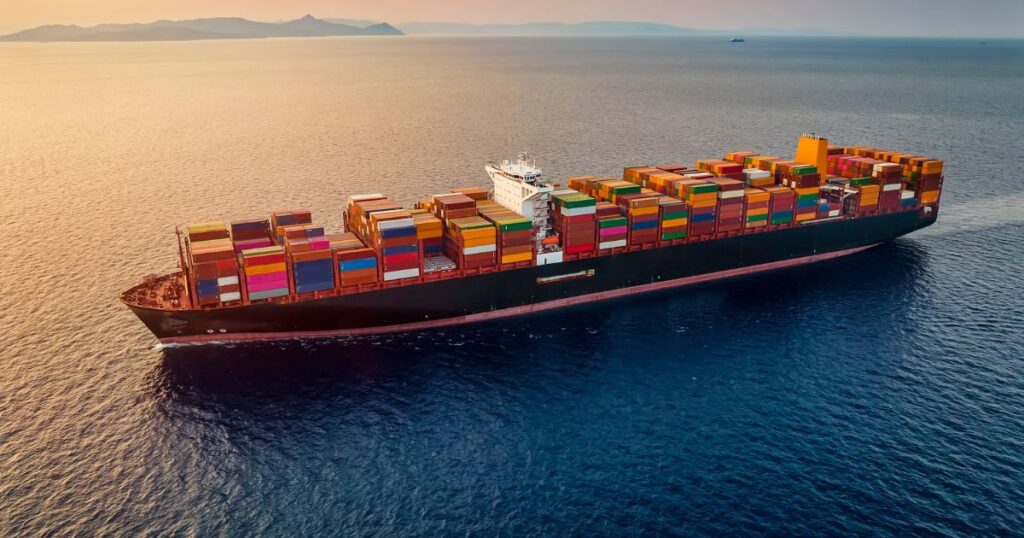
Understanding how the Reefer FCL freight rate for textiles from China to New Jersey is calculated is essential for brands dealing with temperature-sensitive fabrics. Additionally, textile importers must consider seasonal surcharges, reefer power fees, and commodity-specific handling rules.
Temperature Requirements for Textile Shipments
Most textiles do not require deep-cold environments. However, controlled temperatures (18–25°C) prevent mold, moisture accumulation, and color degradation during long ocean voyages.
Factors That Influence Reefer Pricing
Reefer freight has higher operational costs because carriers must manage energy usage, plug-in monitoring, and specialized container management across every port and terminal.
⚙️ What Factors Determine Reefer FCL Freight Rates for Textile Shipping?
Reefer costs vary significantly, but several consistent factors shape the final pricing. Moreover, shippers benefit by understanding these elements before negotiating.
Fuel Surcharges and Peak Season Fees
Carriers apply monthly BAF/CAF adjustments and peak season fees during Q3–Q4 due to higher reefer demand.
Port Congestion at Ningbo, Shanghai, and New Jersey
Congested terminals often increase plug-in fees, shifting costs upward for textile shipments.
Commodity-Specific Requirements
Textiles that must remain moisture-free or odor-free require additional pre-cooling or container cleaning services.
🚛 What Is the Typical Transit Time for Reefer FCL from China to New Jersey?
Transit time is one of the biggest concerns among buyers. Therefore, this section breaks down major port-to-port durations.
Typical Transit Time for China → New Jersey (Port Newark/Elizabeth):
| Route | Transit Time (Days) |
|---|---|
| Shanghai → New Jersey | 31–34 days |
| Ningbo → New Jersey | 32–36 days |
| Shenzhen → New Jersey | 34–38 days |
| Qingdao → New Jersey | 33–37 days |
The reefer service schedule may add 2–4 days for plug-in processes and yard handling.
💰 How Much Does a Reefer FCL Freight Rate Cost for Textiles to New Jersey?
Rates fluctuate weekly, but textile buyers usually face a narrow price range. Moreover, carriers adjust reefer pricing based on global demand, fuel increases, and terminal operating costs.
Reefer FCL Pricing Range
Typical Reefer 40ft High-Cube Container Rate:
USD $4,900–$6,200 (depending on season and port of loading)
Other Charges to Expect
- Reefer plug-in fee (POL & POD): $55–$85 per day
- Monitoring fee: $35–$55 per day
- Pre-trip inspection (PTI): $45–$80
- Documentation fee: $35–$50
- AMS/ISF filing: $35–$45
What are you waiting for?
Contact chinatopfreight for a fast, free quote.
Are you ready to book?
Access live instant freight quotes
📦 How Does Reefer FCL Compare to Dry Container Shipping for Textiles?
Many buyers ask whether they must use reefer containers for textiles. Below is a comparison that highlights differences.
Comparison of Reefer vs Dry Container for Textiles
Table Title: Shipping Method Comparison
| Shipping Method | Cost | Transit Time | Pros | Cons |
|---|---|---|---|---|
| Reefer FCL | High | Standard | Temperature control, reduced moisture risk | Higher cost, monitoring needed |
| Dry FCL | Low | Standard | Affordable, widely available | Not suitable for moisture-sensitive fabric |
📄 What Documents Are Required for Textile Imports into New Jersey?
Smooth customs clearance depends on complete paperwork. Additionally, importers must submit each document before cargo arrival to avoid delays.
Table Title: Required Customs Documents
| Document | Purpose |
|---|---|
| Commercial Invoice | Lists textile details, value, and buyer/seller information |
| Packing List | Specifies cartons, dimensions, weight |
| Bill of Lading | Proof of shipment |
| Arrival Notice | Required for pickup |
| HTS Classification | Determines duty rate |
| Importer Security Filing (ISF) | Mandatory before vessel departure |
🧵 Why Do Textiles Often Require Reefer Containers for Long-Distance Shipping?
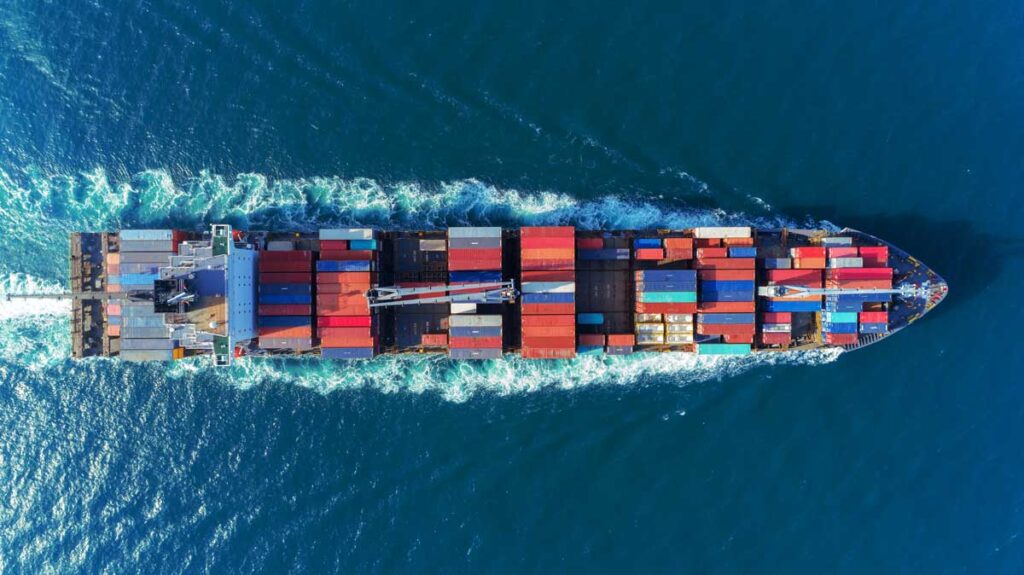
Although textiles are not perishables, they are sensitive to humidity and long periods of ocean exposure. Therefore, reefer containers provide stable, dry environments that protect fabrics from mold, mildew, and odor contamination.
Common Textile Types Shipped in Reefers
- High-value fabrics (silk, cotton blends, premium denim)
- Ready-to-wear garments
- Luxury brand inventory
- Moisture-sensitive textile rolls
🏭 How to Reduce the Reefer FCL Freight Rate for Textile Imports?
Importers often seek ways to reduce costs. Fortunately, several strategies can help lower the Reefer FCL freight rate for textiles from China to New Jersey.
Book During Off-Peak Seasons
January–March offers the most favorable pricing conditions.
Consolidate Factory Loading
When possible, minimizing partial loads reduces wasted container space and improves cost per unit.
Choose Efficient Ports
Shanghai and Ningbo provide more frequent reefer schedules with better pricing.
🧊 Can Textile Buyers Use a Shared Reefer or LCL Reefer Service?
While reefer LCL exists, it is not widely recommended for textile shipments. Additionally, temperature inconsistency and handling risks make full-container reefer shipping more secure.
When LCL Reefer Might Be Acceptable
- Small-volume luxury goods
- Textile samples requiring moisture stability
🚢 Transit Time Comparison: China to Major U.S. East Coast Ports
Table Title: Transit Time by Destination
| Destination Port | Transit Time (Days) |
|---|---|
| New Jersey | 31–38 days |
| Baltimore | 33–40 days |
| Norfolk | 35–42 days |
| Savannah | 37–45 days |
Conclusion
The Reefer FCL freight rate for textiles from China to New Jersey depends on fuel charges, plug-in fees, transit time, and temperature requirements. However, with proper planning, correct documentation, and reliable carrier selection, textile importers can optimize costs and ensure safe, moisture-free delivery. For accurate rate calculations and professional support, reaching out to an experienced freight forwarder remains the smartest choice.
FAQ
1. What temperature is ideal for shipping textiles in a reefer container?
Most textile cargo requires 18–25°C to prevent mold and moisture damage, ensuring fabric quality remains stable during the long ocean transit.
2. Do reefer containers reduce the risk of color fading in textile shipments?
Yes, reefer containers maintain controlled humidity and temperature, which helps prevent fading, discoloration, and moisture absorption during the shipping process.
3. How early should I book reefer space for China–New Jersey shipments?
Importers should book 2–3 weeks before departure, especially during peak seasons, to secure space and avoid last-minute freight surcharges.
4. Are reefer plug-in fees charged in both China and New Jersey?
Yes, both ports charge plug-in and monitoring fees because reefer containers require continuous electricity and temperature monitoring throughout handling.
5. Can I load mixed textile products in the same reefer container?
Yes, mixed SKUs are acceptable as long as they share similar temperature and humidity requirements, ensuring consistent environmental conditions.