

- By carlie tj
- November 25, 2025
- Logistics Guide
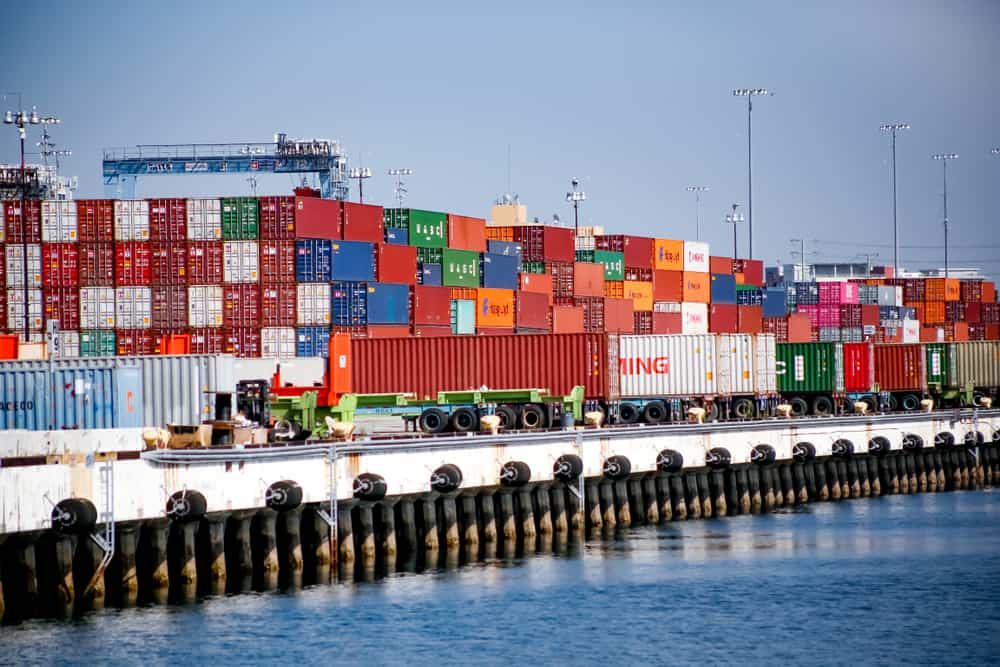
Shipping temperature-sensitive or high-value components requires precision and protection. Choosing Reefer FCL insurance for auto parts from China to Germany safeguards your cargo against risks like temperature fluctuation, damage, or delay. To ensure smooth, insured international shipping, visit ChinaTopFreight—a trusted freight forwarder offering end-to-end logistics, insurance coverage, and customs solutions for global auto parts trade.
1. What Is Reefer FCL Shipping and Why Is It Used for Auto Parts?
Reefer FCL (Full Container Load, Refrigerated) shipping uses temperature-controlled containers that maintain a set climate throughout transit. While typically used for food and pharmaceuticals, reefer containers are also essential for certain auto parts—especially those containing adhesives, polymers, or temperature-sensitive electronics.
Why it matters for auto parts:
- Prevents oxidation or warping of sensitive materials.
- Protects coatings, lubricants, and rubber components.
- Maintains consistent quality from China to Germany.
A 40HQ Reefer FCL offers stable climate management for shipments exceeding 25,000 kg of cargo, ideal for manufacturers and distributors.
2. Why Is Insurance Crucial for Reefer FCL Auto Parts Shipments?
International shipments face risks such as cargo damage, temperature failure, handling errors, or route disruptions. Without Reefer FCL insurance, importers may bear substantial losses.
Key benefits of insurance:
- Covers damage from malfunctioning refrigeration units.
- Protects against loss from storms or container accidents.
- Includes compensation for theft or delay-related spoilage.
- Enhances trust with buyers through documented cargo protection.
For high-value cargo like automotive components, insurance is not optional—it’s an operational safeguard.
3. What Are the Main Shipping Routes from China to Germany?
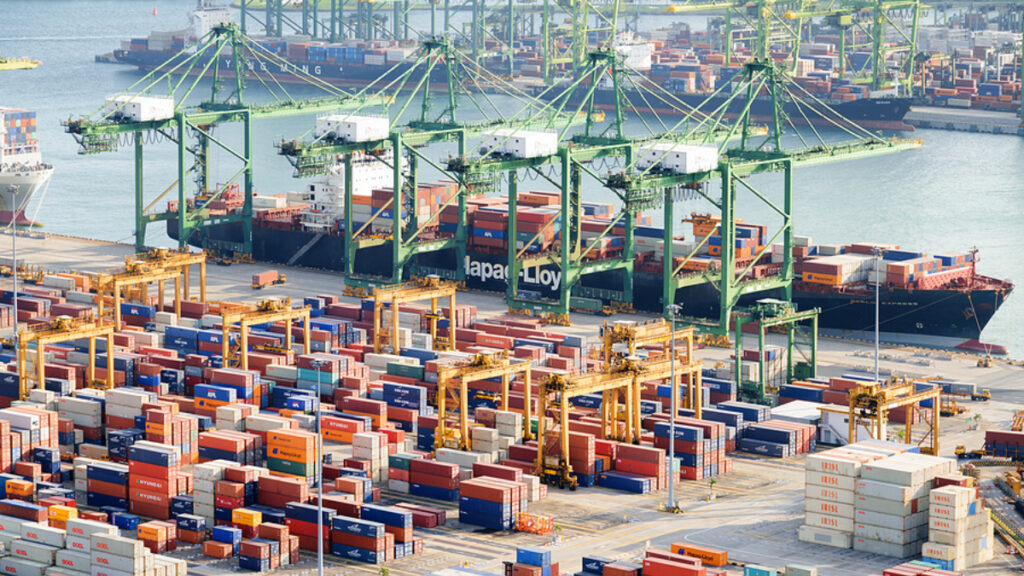
Major ports in China connect directly with European terminals, including Hamburg and Bremerhaven.
Table: Key Reefer FCL Routes from China to Germany (2025)
| Origin Port | Destination Port | Transit Time | Common Carriers | Frequency |
|---|---|---|---|---|
| Shanghai | Hamburg | 30–34 days | COSCO, Hapag-Lloyd | 5 sailings/week |
| Ningbo | Bremerhaven | 31–36 days | MSC, CMA CGM | 4 sailings/week |
| Shenzhen (Yantian) | Hamburg | 33–38 days | Maersk, Evergreen | 3 sailings/week |
| Qingdao | Hamburg | 32–37 days | ZIM, OOCL | 3 sailings/week |
These ports are equipped with specialized reefer plug-in facilities to ensure uninterrupted refrigeration during loading and storage.
4. How Does Reefer FCL Insurance Work for Auto Parts?
Reefer cargo insurance covers your shipment during every phase—from pickup to delivery—under agreed terms in your Bill of Lading.
Types of coverage:
- All-risk insurance: Covers all external damage except exclusions (e.g., poor packaging).
- Named perils insurance: Covers specific risks like fire, collision, or refrigeration failure.
- Total loss insurance: Protects only against complete loss during transport.
Typically, insurance value equals CIF (Cost + Insurance + Freight) + 10%, ensuring sufficient claim reimbursement.
5. What Are the Costs of Reefer FCL Shipping and Insurance?
Shipping costs vary based on container size, season, and route conditions. Insurance usually ranges between 0.1%–0.5% of cargo value.
Table: Estimated Reefer FCL Shipping Costs (2025)
| Route | Container Type | Estimated Cost (USD) | Insurance Rate | Cargo Type |
|---|---|---|---|---|
| Shanghai → Hamburg | 40FT Reefer | $4,800 – $5,500 | 0.2% | Auto parts & electronics |
| Ningbo → Bremerhaven | 40FT Reefer | $4,900 – $5,600 | 0.25% | Adhesives & polymers |
| Shenzhen → Hamburg | 40FT Reefer | $5,100 – $5,800 | 0.3% | Rubber & paint materials |
Booking early and bundling insurance through forwarders like ChinaTopFreight helps minimize total shipping costs.
6. What Risks Does Reefer Insurance Cover?
Common risks included:
- Refrigeration unit malfunction.
- Cargo loss from vessel grounding or collision.
- Damage from mishandling during loading/unloading.
- Theft during intermodal transfer.
- Weather-related spoilage.
Optional add-ons:
- Delay insurance for time-sensitive deliveries.
- Contamination insurance for chemicals or lubricants.
These comprehensive policies help importers maintain production continuity even when unexpected events occur.
7. How to Prepare Auto Parts for Reefer FCL Shipping?
Proper preparation ensures temperature control and insurance validity.
Checklist:
- Use anti-rust packaging for metal components.
- Include humidity-control materials in boxes.
- Verify temperature requirements (e.g., 10°C–25°C).
- Apply clear labeling and secure stacking to prevent movement.
- Record container temperature logs for insurance documentation.
Insurance claims may be denied if packaging does not meet international maritime standards (IMDG & ISO).
8. What Are the Required Documents for Shipping and Insurance?
Documents checklist:
- Bill of Lading (B/L)
- Commercial Invoice
- Packing List
- Certificate of Origin
- Marine Cargo Insurance Policy
- Product Specification Sheet
- Importer Security Filing (ISF) for EU customs
All documents must align with HS codes for automotive goods to ensure compliance with German customs regulations.
9. How to File a Claim for Reefer Cargo Insurance?r?
If cargo arrives damaged or spoiled, importers can file an insurance claim.
Steps:
- Notify insurer within 3–5 working days of delivery.
- Provide inspection reports and temperature logs.
- Submit photos of damaged goods.
- Include original shipping and insurance documents.
- Await assessment and compensation review.
Insurance providers usually settle claims within 30–45 days, depending on documentation accuracy.
Request a Quote
China Top Freight offers:
- ✅ Origin and Destination Countries
- ✅ Cargo Type and Volume
- ✅ Preferred Transport Method (Air, Sea, Rail, Road)
- ✅ Delivery Timeline
- ✅ Special Handling Requirements (if any)
FAQ
1. What is Reefer FCL insurance and why is it important?
It protects temperature-controlled shipments like auto parts against damage, spoilage, or loss during international transit.
2. What temperature range is ideal for shipping auto parts in Reefer containers?
Most auto parts require a range between 10°C and 25°C, depending on materials like rubber, sealants, or coatings.
3. How is insurance cost calculated for Reefer FCL shipments?
Typically, 0.2%–0.5% of the cargo’s CIF value is added to ensure sufficient coverage for losses or damages.
4. Can Reefer insurance cover delays or temperature fluctuations?
Advanced insurance options include delay and temperature deviation protection, ensuring compensation for spoilage or material degradation.
5. What documents are needed for Reefer cargo insurance claims?
You’ll need inspection reports, temperature logs, insurance certificates, and the Bill of Lading to process claims efficiently.
Conclusion
In summary, Reefer FCL insurance for auto parts from China to Germany provides the dual benefits of cargo protection and supply chain stability. With comprehensive coverage, meticulous documentation, and proactive logistics coordination, importers can avoid financial losses and ensure product integrity.
For dependable reefer shipping, transparent tracking, and all-risk insurance, collaborate with ChinaTopFreight—the expert in global FCL logistics solutions designed to safeguard your auto parts from China to Europe.