

Shipping sensitive and high-value healthcare goods requires strong risk-management planning, making Reefer FCL insurance for medical equipment from China to USA essential for safeguarding both cargo quality and financial stability. Since medical devices, diagnostics materials, and temperature-controlled components must arrive intact, importers rely on specialized reefer containers combined with comprehensive insurance coverage to eliminate damage risks and reduce unexpected expenses.
1. Why Is Reefer FCL Insurance Necessary for Medical Equipment Transport?
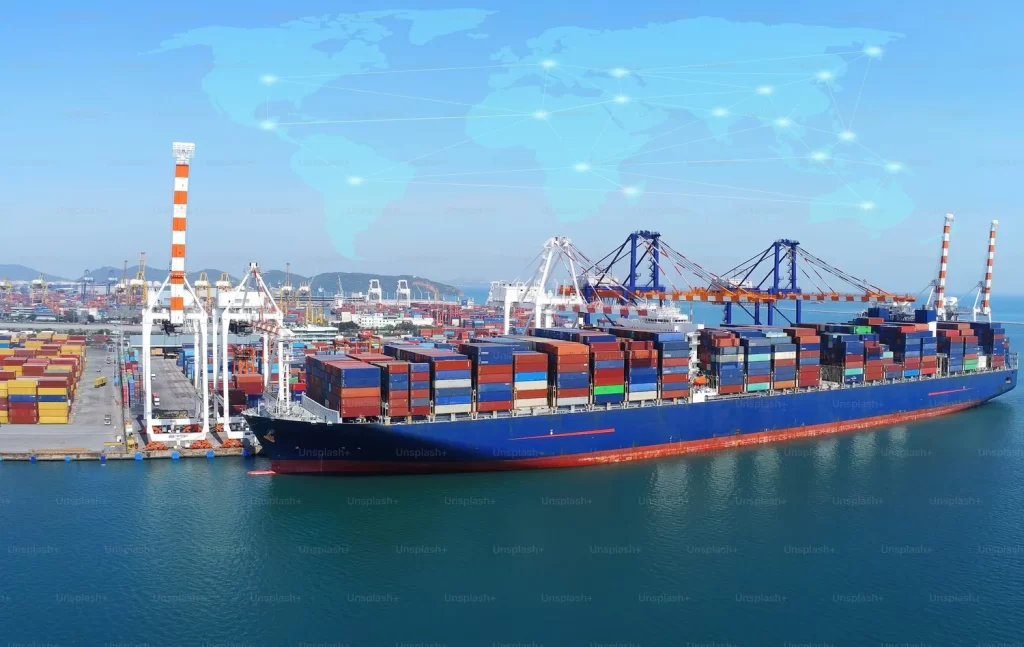
Medical equipment is highly sensitive to temperature fluctuations, vibration, humidity, and handling pressure. Moreover, transporting it across long ocean routes introduces risks such as condensation, reefer machinery malfunction, container shifting, or customs delays. Therefore, insurance protects you from financial exposure if damage, spoilage, or technical failure occurs during transit.
Why Medical Equipment Needs Cold-Chain Protection
Equipment like diagnostic tools, imaging components, biochemical kits, laboratory reagents, and vaccine-related devices often require stable temperatures. Reefer containers maintain climate control, preventing degradation throughout the voyage.
2. What Types of Medical Equipment Require Reefer FCL Insurance?
Not all medical equipment is perishable, but many categories benefit from refrigerated environments or enhanced insurance coverage due to fragility or high value.
Common Reefer-Insured Medical Items
- Diagnostic instruments
- Blood analysis machines
- Imaging components (sensors, coils, boards)
- Biotech testing kits
- Cold-chain medical devices
- Temperature-controlled reagents
- Clinical laboratory consumables
- Smart monitoring equipment
Since the U.S. FDA enforces strict import rules, insured reefer shipments reduce compliance failures and protect your investment.
3. What Does Reefer FCL Insurance Cover?
Insurance policies vary, but most reputable logistics insurers provide extensive protection focused on refrigerated cargo.
Typical Coverage Includes:
- Reefer machine failure
- Cargo spoilage or degradation
- Temperature deviation outside declared range
- Wet damage or condensation
- Theft or pilferage
- Fire or explosion
- Improper handling
- Vessel deviation or delay leading to spoilage
Moreover, insurance covers cargo value, freight charges, and sometimes additional expenses like inspection fees.
4. How Does Cold-Chain Failure Affect Medical Equipment in Transit?
Any minor temperature deviation can damage medical devices. Additionally, long voyages increase risk because of environmental variations across the Pacific.
Major Risks from Temperature Deviations
- Sensor malfunction
- Biochemical reagent degradation
- Calibration drift
- Product recall risks
- Costly contamination issues
Table 1 — Temperature Sensitivity of Medical Equipment (Table 1/5)
| Medical Product Type | Ideal Temp Range | Damage Risk if Exceeded | Impact |
|---|---|---|---|
| Diagnostic reagents | 2–8°C | High | Loss of accuracy |
| Lab instruments | 10–25°C | Medium | Calibration issues |
| Biotech kits | 2–10°C | High | Spoilage |
| Electronic sensors | 10–30°C | Medium | Malfunction risk |
5. What Is the Typical Transit Time for Reefer FCL from China to USA?
Transit times depend on routing, weather, port congestion, and which U.S. coast the shipment targets.
Averages by Destination
- China → West Coast (LA/LB): 12–17 days
- China → Houston: 22–28 days
- China → New York: 28–35 days
Medical cargo requires precise scheduling because delays increase cold-chain risks.
Table 2 — Transit Time by Destination (Table 2/5)
| Route | Transit Time | Reliability | Notes |
|---|---|---|---|
| China → LA/LB | 12–17 days | High | Strong reefer capacity |
| China → Oakland | 14–18 days | Medium | Weather sensitive |
| China → Houston | 22–28 days | Medium | Longer routing |
| China → New York | 28–35 days | Medium-high | Requires strong insurance |
What are you waiting for?
Contact chinatopfreight for a fast, free quote.
Are you ready to book?
Access live instant freight quotes
6. What Insurance Options Are Available for Reefer FCL Medical Cargo?
Importers often choose between several well-established policy types.
Primary Insurance Types
- All-Risk Coverage: highest protection, most recommended
- Named-Perils Insurance: covers selected risks
- Free of Particular Average (FPA): limited coverage
- Warehouse-to-Warehouse Insurance: full journey coverage
- Temperature Deviation Insurance: for precision-controlled cargo
Why All-Risk Coverage Is Ideal
All-risk insurance protects medical equipment from unexpected failures, climate deviations, and operational issues—common in trans-Pacific cold-chain shipments.
7. What Is the Cost of Reefer FCL Shipping + Insurance for Medical Equipment?
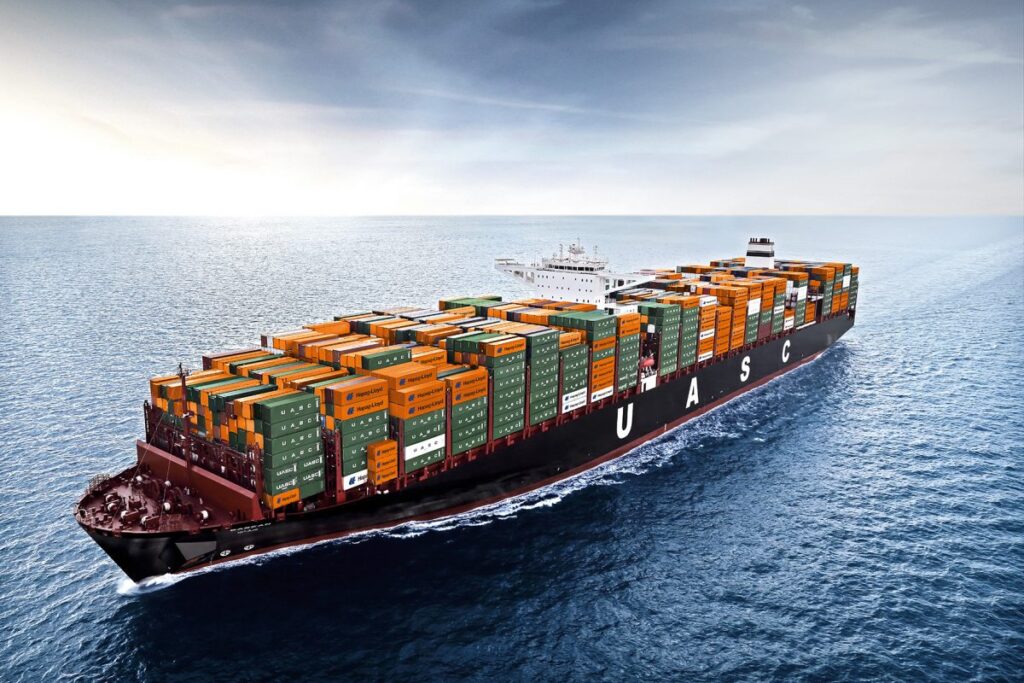
Prices depend on destination port, container type, and commodity value. Because medical equipment is high-value, insurance cost is based on declared cargo value.
Table 3 — Estimated Reefer FCL Shipping & Insurance Cost (Table 3/5)
| Cost Category | Typical Range | Cost Driver | Notes |
|---|---|---|---|
| Reefer FCL Freight | $4,500–$7,500 | Route & demand | Higher peak seasons |
| Insurance Premium | 0.15%–0.45% of cargo value | Risk level | Higher for biotech |
| Reefer Plug-In Fees | $50–$120/day | Storage time | Applies at terminals |
| Handling Fees | $180–$300 | Reefer processing | Varies by port |
8. How to File Documents for Medical Equipment Reefer Insurance?
Proper documentation is essential for preventing customs delays and ensuring insurance validity. Moreover, incomplete documentation may cause claim rejection.
Documents Required
- Commercial invoice
- Packing list
- HS code classification
- Temperature chart & handling instructions
- Certificate of Origin
- Bill of Lading
- Cargo insurance certificate
- Pre-cooling verification (if needed)
Table 4 — Documentation Checklist for Insured Reefer Shipments (Table 4/5)
| Document | Required? | Purpose | Submitted By |
|---|---|---|---|
| Invoice & Packing List | Yes | Insurance valuation | Supplier |
| HS Code Documentation | Yes | Customs compliance | Importer |
| Reefer Temperature Specs | Yes | Insurance accuracy | Exporter |
| BL Draft | Yes | Cargo reference | Forwarder |
| Insurance Certificate | Yes | Proof of coverage | Insurer |
9. How Does Reefer FCL Compare with Other Shipping Modes for Medical Cargo?
Although air freight is faster, reefer FCL is more cost-efficient for large shipments. Additionally, sea freight offers more stable cold-chain capacity for bulk deliveries.
Table 5 — Comparison: Reefer FCL vs Air Freight vs Dry FCL (Table 5/5)
| Category | Reefer FCL | Air Freight | Dry FCL |
|---|---|---|---|
| Temperature Control | Excellent | Excellent | Limited |
| Transit Time | Longer | Fast | Standard |
| Cost | Medium | High | Lower |
| Suitable For | Bulk medical cargos | High-urgency items | Stable products |
10. How Does Insurance Protect Against Reefer Machine Failure?
Reefer malfunction is one of the primary risks in reefer maritime transport. However, insurance covers damages caused by power loss, compressor breakdown, or electronic failure.
Why Reefer Malfunction Protection Matters
Medical devices and reagents cannot tolerate long exposure to incorrect temperatures; thus insurance ensures compensation for spoiled or unusable cargo.
Conclusion
Effective Reefer FCL insurance for medical equipment from China to USA protects sensitive products from temperature deviations, transit damage, and financial risk. By combining reliable reefer technology, strong insurance policies, and proper documentation, importers can secure safe, compliant, and predictable medical-grade logistics performance. Moreover, partnering with an experienced logistics provider ensures cold-chain reliability and minimizes unexpected costs throughout the supply chain.
FAQ
1. Does medical equipment always require reefer insurance for U.S. imports?
Not always, but temperature-controlled or high-value items benefit greatly from insurance, ensuring compensation for damage, spoilage, or unexpected reefer malfunctions during transit.
2. What temperature range should medical equipment be transported under?
Most diagnostic or reagent-based medical items require 2–8°C, while electronic instruments need 10–25°C. Insurance protects against losses caused by deviations.
3. How is insurance cost calculated for medical equipment shipments?
Premiums are typically based on cargo value, risk category, and shipping route. Higher-value or temperature-sensitive items result in slightly higher premium percentages.
4. Can insurance cover delays or reefer plug-in failures?
Yes. Many policies compensate for cargo spoilage caused by mechanical breakdown, power loss, or extreme delays leading to temperature deviation.
5. Do medical equipment shipments require special documentation?
Yes. Temperature specifications, HS codes, packing details, and handling instructions are essential for insurance, customs compliance, and claim validation if needed.