

Reefer FCL Sailing Schedule for Electronics: China to Chicago
Shipping sensitive electronics from China to Chicago demands precision and reliability. Understanding the Reefer FCL sailing schedule for electronics from China to Chicago is crucial. This guide explores temperature-controlled full container load (FCL) shipping. We provide insights to ensure your valuable cargo reaches its destination safely and efficiently.
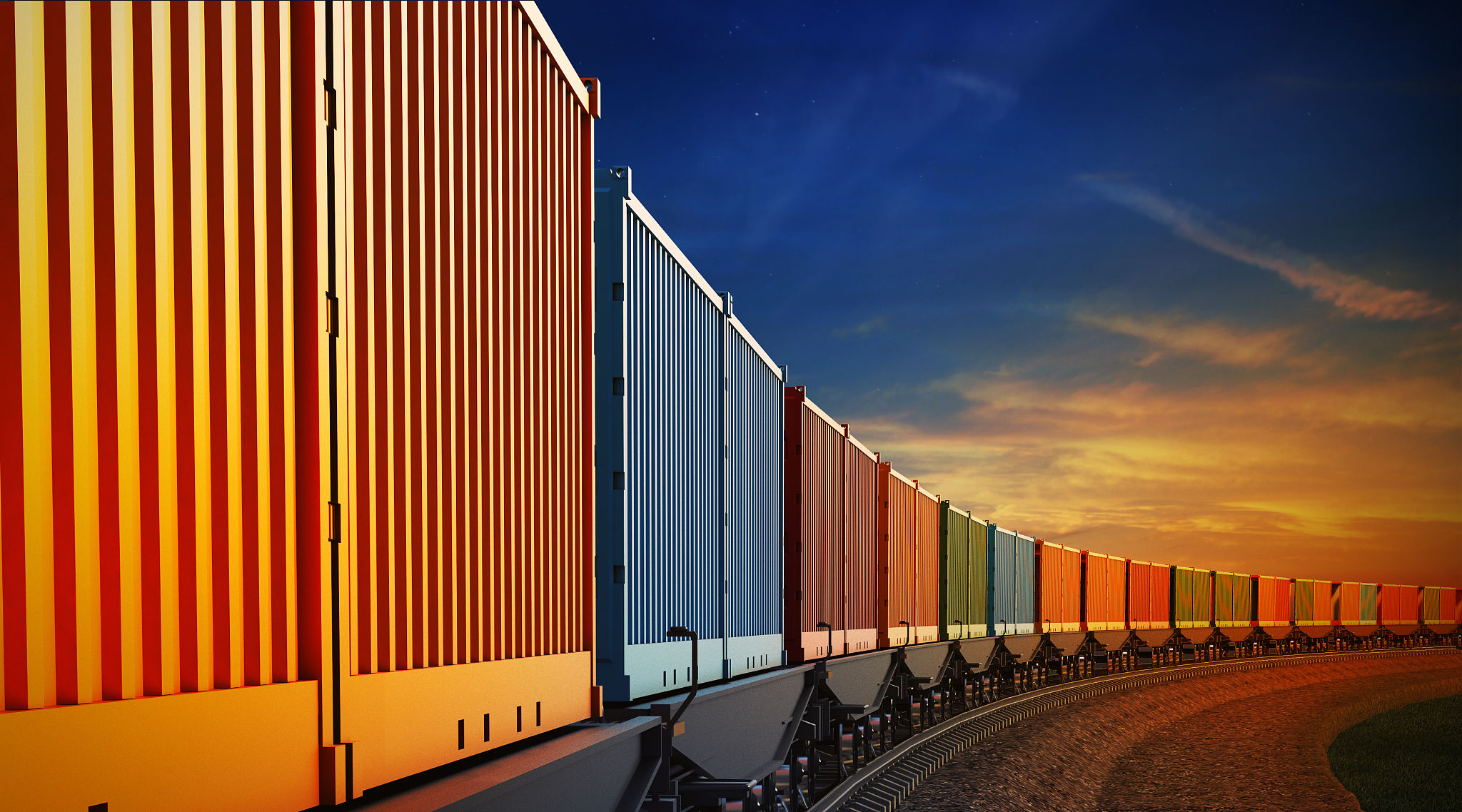
Understanding Reefer FCL for Electronics Shipping
Shipping electronics with sensitive components requires stringent environmental control. Standard dry containers often lack protection against temperature and humidity fluctuations. Specialized solutions are therefore essential for preserving product quality.
Reefer FCL, or refrigerated full container load, offers a controlled environment. These containers maintain specific temperatures and humidity levels throughout transit. This protection is vital for electronics susceptible to heat, cold, or condensation damage. Consider sea freight for large volume shipments.
Reefer containers prevent thermal shock and moisture damage to delicate parts. This ensures products arrive in optimal condition, ready for distribution. Investing in appropriate shipping methods mitigates significant financial risks.
Navigating the Reefer FCL Sailing Schedule from China to Chicago
Identifying a reliable Reefer FCL sailing schedule from China to Chicago involves several key factors. Major Chinese ports like Shanghai, Ningbo, and Shenzhen are primary departure points. These ports offer frequent sailings to North American destinations, including Chicago.
The journey typically involves trans-Pacific routes, often calling at West Coast ports before rail transit to Chicago. Understanding this multimodal journey is essential. Direct sailings to East Coast ports are also possible, though with longer ocean transit times.
Typical ocean transit from China to USA West Coast ports ranges from 14 to 20 days. Rail transit to Chicago then adds 5-10 days. Overall, a door-to-door Reefer FCL service usually takes 30-40 days, varying with port congestion and carrier efficiency.
How Does Reefer FCL Compare to Other Shipping Options?
Evaluating various shipping methods is crucial for your electronics shipment from China to Chicago. Reefer FCL offers distinct advantages, but alternatives like air freight or LCL also play a role. Each option presents different trade-offs in terms of cost, speed, and capacity.
For instance, air freight provides unparalleled speed for urgent or high-value electronics. However, its cost per unit is substantially higher than sea freight. A careful cost-benefit analysis is always recommended.
LCL (Less than Container Load) reefer options are available for smaller volumes. While economical, LCL often involves longer transit due to consolidation. It also offers less direct control over the container environment compared to dedicated FCL.
| Shipping Method | Cost Range | Transit Time | Best For | Limitations |
|---|---|---|---|---|
| Reefer FCL (Sea) | $4,500-$7,000 (40HQ) | 30-40 days | Large volumes, cost-efficiency, temperature control | Slower transit, port delays |
| Air Freight | $15,000-$25,000 (equivalent 40HQ) | 5-10 days | Urgent, high-value, smaller shipments, express delivery | High cost, limited volume, less temperature control |
| LCL Reefer (Sea) | $80-$150/CBM (min 5CBM) | 35-45 days | Smaller volumes, cost-efficiency, temperature control | Slower, consolidation delays, less control |
| Rail Freight (China to Europe/Central Asia) | N/A (Not for Chicago) | N/A | N/A | Not a direct option for China to Chicago |

Essential Considerations for Electronics Cargo
Shipping electronics internationally involves more than just container selection. Strict adherence to proper packaging, labeling, and documentation is paramount. This safeguards sensitive products and ensures smooth transit.
Temperature and humidity specifications for electronics must be accurately communicated. Components require specific ranges to prevent damage from condensation or overheating. Proper sensor placement within the reefer container is vital for effective monitoring.
Navigating customs clearance in Chicago is critical. Electronics often fall under specific import regulations, requiring detailed declarations and certifications. Partnering with an experienced customs broker is highly advisable to avoid delays.
Risk management and cargo insurance are crucial for high-value electronics. Unexpected events like accidents or port delays can impact your shipment. Comprehensive insurance provides financial protection, ensuring peace of mind.
Customs Documentation Checklist for Electronics
Ensuring all necessary documents are prepared correctly streamlines the import process. Incomplete paperwork can lead to significant delays and storage fees. Proactive preparation is a cornerstone of efficient logistics.
| Document | Purpose | Notes |
|---|---|---|
| Commercial Invoice | Valuation for duties, product description | Accurate pricing and HS codes |
| Packing List | Details of cargo contents, weights, dimensions | Matches invoice, aids inspection |
| Bill of Lading (BOL) | Contract of carriage, title to goods | Originals often required for release |
| Certificate of Origin | Country of manufacture | May impact duty rates |
| FCC/UL Certifications | Compliance for electronic devices | Mandatory for certain products in USA |
Optimizing Your Reefer FCL Costs and Efficiency
Managing the Reefer FCL sailing schedule for electronics from China to Chicago effectively involves strategic cost optimization. Freight rates are influenced by fuel surcharges, peak seasons, and carrier capacity. Proactive planning and negotiation secure favorable terms.
Booking well in advance, especially during peak shipping seasons, can mitigate higher costs. Consolidating shipments to maximize container utilization also reduces per-unit shipping expenses. Exploring door-to-door services can simplify logistics and often provide better overall value.
Utilizing advanced tracking systems provides real-time visibility into your shipment’s journey. This transparency allows for prompt intervention in case of delays or temperature deviations. Robust supply chain management practices enhance both efficiency and cargo security.
Market intelligence plays a vital role in cost management. As of Q1 2025, freight rates from China to the USA have seen some stabilization. However, seasonal increases, typically 15-25% during August-October, remain a factor. Securing long-term contracts can offer rate stability.
Note: Freight rates are subject to change based on fuel costs, carrier capacity, and seasonal demand. Contact us for a current quote tailored to your specific shipment.
Real-World Scenarios: Reefer FCL from China to Chicago
Examining actual case studies provides practical insights into the complexities of shipping electronics. These examples highlight how different cargo types and logistical choices impact the process. They can inform your own shipping strategies.
Case Study 1: High-Value Medical Electronic Components
This shipment involved critical medical diagnostic components requiring strict temperature control. Early booking secured preferred reefer space. Diligent documentation prevented customs delays despite transshipment via Busan, Korea. This proactive approach ensured timely and safe delivery.
| Detail | Description |
|---|---|
| Route | Shenzhen, China -> Chicago, USA |
| Cargo | Medical diagnostic components, 25 CBM, 8,000 kg |
| Container | 40HQ Reefer (set to +18°C) |
| Shipping Details | |
| – Carrier/Service | Maersk |
| – Port of Loading | Yantian, Shenzhen |
| – Port of Discharge | Long Beach, then rail to Chicago |
| – Route Type | Transshipment via Busan, Korea |
| Cost Breakdown (Based on Q3 2024 market rates) | |
| – Ocean Freight | $4,850 |
| – Origin Charges (THC, documentation) | $380 |
| – Destination Charges (DDC, rail handling) | $720 |
| – Customs & Duties (estimated) | $1,500 |
| – Total Landed Cost (approx.) | $7,450 |
| Timeline | |
| – Booking to Loading | 7 days |
| – Sea Transit | 18 days (to Long Beach) |
| – Rail Transit | 7 days (to Chicago) |
| – Customs Clearance | 3 days |
| – Total Door-to-Door | 35 days |
Case Study 2: Bulk Consumer Electronics (Smart Home Devices)
This case focused on optimizing transit time for consumer electronics. Leveraging a less congested West Coast port (Prince Rupert) for direct sailing and subsequent rail connection significantly reduced overall transit. This strategy avoided typical Los Angeles/Long Beach delays, ensuring faster market entry.
| Detail | Description |
|---|---|
| Route | Ningbo, China -> Chicago, USA |
| Cargo | Smart speakers and hubs, 58 CBM, 12,000 kg |
| Container | 2 x 40HQ Reefer (set to +22°C) |
| Shipping Details | |
| – Carrier/Service | COSCO |
| – Port of Loading | Ningbo |
| – Port of Discharge | Prince Rupert, then rail to Chicago |
| – Route Type | Direct sailing to Prince Rupert, then rail |
| Cost Breakdown (Typical rates as of early 2025) | |
| – Ocean Freight (per 40HQ) | $4,100 |
| – Origin Charges (per 40HQ) | $350 |
| – Destination Charges (per 40HQ) | $680 |
| – Customs & Duties (estimated, per 40HQ) | $1,200 |
| – Total Landed Cost (approx. per 40HQ) | $6,330 |
| Timeline | |
| – Booking to Loading | 10 days |
| – Sea Transit | 14 days (to Prince Rupert) |
| – Rail Transit | 8 days (to Chicago) |
| – Customs Clearance | 4 days |
| – Total Door-to-Door | 36 days |

Which Option Should You Choose for Your Electronics Shipment?
Selecting the optimal shipping method depends heavily on your specific business priorities. Consider these factors carefully to make an informed decision. Each scenario presents unique challenges and opportunities for efficiency.
**Budget Priority**: For large volumes where cost-efficiency is paramount, Reefer FCL sea freight offers the best value. It minimizes per-unit shipping expenses, ideal for non-urgent inventory.
**Speed Priority**: When time is critical for high-value or rapidly evolving electronics, air freight provides the fastest delivery. This option is ideal for product launches or urgent replenishment.
**Cargo Type Considerations**: Delicate, temperature-sensitive components inherently require reefer containers. For smaller, less critical electronics, LCL reefer might be a viable, more flexible option. Always match the shipping method to your product’s specific needs.
**Volume Thresholds**: For shipments exceeding 15 CBM, FCL generally becomes more economical than LCL. Hybrid solutions, like sea-air combinations, can balance speed and cost for specific routes or urgent batches.
Choosing the Right Logistics Partner for Your Electronics Shipments
A successful Reefer FCL sailing schedule for electronics from China to Chicago relies heavily on an experienced logistics partner. Look for providers with a proven track record in handling sensitive cargo. Their expertise can significantly streamline your supply chain operations.
The ideal partner should offer comprehensive services, including customs brokerage, warehousing, and inland transportation. They must also demonstrate proficiency in managing temperature-controlled logistics. A reliable partner ensures compliance and minimizes risks associated with international shipping.
Secure Your Electronics with a Reliable Reefer FCL Sailing Schedule
Navigating international logistics for electronics demands precision, expertise, and a clear understanding of the Reefer FCL sailing schedule for electronics from China to Chicago. From selecting the right container to managing customs and optimizing costs, every step is crucial.
By prioritizing temperature control, meticulous documentation, and strategic planning, you can ensure the integrity of your sensitive cargo. Partnering with a knowledgeable freight forwarder like China Top Freight provides the assurance needed for seamless and efficient global trade. This approach safeguards your investment and enhances your supply chain’s resilience.
Get Your Shipping Quote Today
Planning your next electronics shipment from China to Chicago? Let China Top Freight provide you with a competitive quote and a reliable Reefer FCL sailing schedule. Contact us today to discuss your specific logistics needs and ensure your cargo arrives safely.
Request Quote