

Transporting temperature-sensitive goods like medical equipment requires specialized solutions. The Reefer FCL shipping cost for medical equipment from China to Italy depends on several logistics factors, including container size, destination port, and temperature control needs. At China Top Freight, we help importers reduce cost while ensuring stable, reliable, and compliant reefer shipping operations.
1. What Is Reefer FCL Shipping and Why It’s Vital for Medical Equipment?
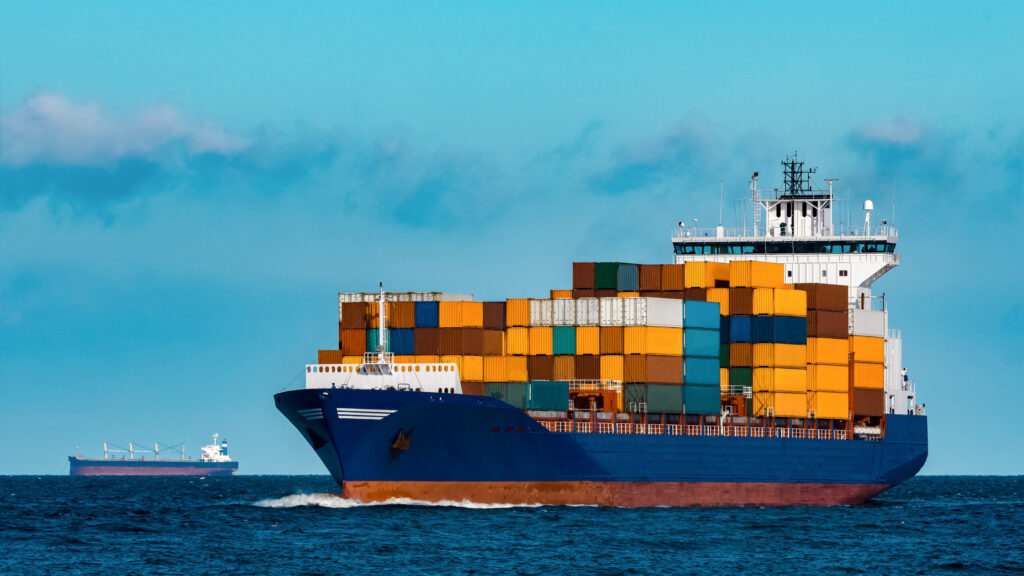
Reefer FCL (Full Container Load) shipping uses temperature-controlled containers to transport perishable or sensitive goods like vaccines, diagnostic devices, and surgical kits. These containers maintain specific temperatures—typically between -20°C and +25°C—ensuring that medical cargo arrives intact.
Key Benefits:
- Stable temperature control throughout transit
- Full container utilization for cost efficiency
- Better protection during long sea voyages
2. How Does Reefer FCL Shipping from China to Italy Work?
The journey involves multiple steps—pre-cooling, customs clearance, and coordinated delivery across ports and trucking networks.
Shipping Workflow:
- Container booking and pre-trip inspection
- Cargo loading at controlled temperature
- Sea transport from ports like Shanghai, Ningbo, or Shenzhen
- Arrival at Italian ports such as Genoa or Venice
- Customs clearance and inland trucking
This streamlined process ensures uninterrupted cold chain integrity.
3. What Is the Average Reefer FCL Shipping Cost from China to Italy?
The Reefer FCL shipping cost for medical equipment from China to Italy varies by season, container type, and destination port.
| Container Type | Temperature Range (°C) | Average Cost (USD) | Transit Time (Days) | Suitable Cargo |
|---|---|---|---|---|
| 20ft Reefer | -20°C to +25°C | 4,000–5,200 | 28–35 | Medical kits, small devices |
| 40ft Reefer | -25°C to +20°C | 5,800–7,000 | 28–36 | Vaccines, diagnostic machines |
| 40HQ Reefer | -30°C to +25°C | 6,000–7,500 | 29–37 | MRI components, lab analyzers |
Table 1: Reefer FCL Shipping Cost and Transit Overview
Costs also include port charges, customs fees, and energy surcharges. Booking early often helps secure better rates.
What are you waiting for?
Contact chinatopfreight for a fast, free quote.
Are you ready to book?
Access live instant freight quotes
4. Which Factors Influence Reefer FCL Shipping Costs?
Several variables directly affect pricing:
- Cargo Type: Heavier or delicate medical devices require additional packaging.
- Temperature Setting: Lower temperature increases energy usage and cost.
- Seasonal Demand: Peak months (May–October) raise reefer container demand.
- Route and Carrier: Direct services may cost more but reduce transit time.
- Port Handling Fees: Italian ports like Genoa often charge higher service rates.
Therefore, accurate cargo details help optimize total shipping cost.
5. What Documents Are Required for Medical Equipment Export?
Medical equipment exports demand extra paperwork to comply with China and EU regulations.
| Document | Purpose | Issued By |
|---|---|---|
| Commercial Invoice | Declares cargo value | Exporter |
| Packing List | Lists equipment details | Supplier |
| Bill of Lading | Confirms shipment | Freight Forwarder |
| Export Declaration | Clearance approval | Customs |
| CE Certificate | Ensures EU compliance | Manufacturer |
Table 2: Essential Export Documents for Medical Equipment
Submitting accurate documents early avoids costly detention and customs delays.
6. How Long Does Reefer FCL Shipping Take from China to Italy?
Transit time generally ranges from 28 to 37 days, depending on departure port and routing.
Average Routes:
- Shanghai → Genoa: 30–33 days
- Shenzhen → Venice: 32–35 days
- Ningbo → Trieste: 28–32 days
Efficient scheduling and cargo readiness can reduce total lead time by several days.
7. What Are the Cost-Saving Tips for Reefer FCL Shipments?
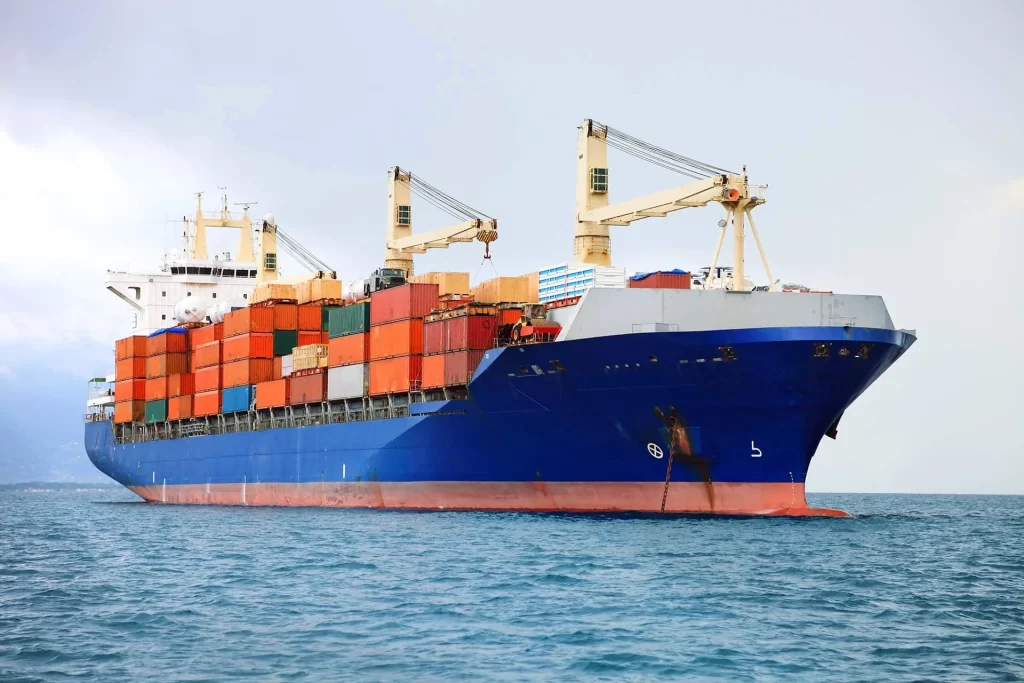
- Book early: Reserve space at least 3–4 weeks ahead.
- Consolidate cargo: Combine multiple orders in one container.
- Select optimal temperature: Avoid excessive cooling when not required.
- Partner with reliable forwarders: Experienced teams minimize detention or demurrage.
- Monitor real-time tracking: Early alerts help prevent losses from power fluctuations.
8. How Does Insurance Affect Reefer FCL Shipping Costs?
Given the value of medical cargo, insurance is essential. Comprehensive marine cargo insurance typically costs around 0.3–0.5% of shipment value, covering:
- Temperature malfunction
- Transit damage
- Power failure during sea voyage
Proper insurance not only safeguards against risks but also strengthens compliance with import regulations in Italy.
9. How to Maintain Temperature Integrity Throughout the Journey?
Maintaining temperature stability involves both technology and operational discipline:
- Use data loggers to record real-time container temperature.
- Conduct pre-trip inspections (PTI) before loading.
- Avoid opening containers during transit.
- Collaborate with port operators for power plug-ins during layovers.
These preventive steps ensure consistent cold-chain conditions for sensitive devices and equipment.
10. How Do Reefer FCL and Air Freight Compare for Medical Equipment?
While air freight offers speed, Reefer FCL provides balance between cost and capacity.
| Shipping Mode | Transit Time | Cost (USD/kg) | Capacity | Best For |
|---|---|---|---|---|
| Sea (Reefer FCL) | 28–37 days | 0.25–0.40 | High | Heavy, non-urgent cargo |
| Air Freight | 3–7 days | 3.50–6.00 | Low | Urgent or small medical devices |
Table 3: Comparison of Reefer FCL vs Air Freight
Choosing between these depends on shipment volume, urgency, and temperature sensitivity.
Conclusion
The Reefer FCL shipping cost for medical equipment from China to Italy reflects a blend of precision, safety, and efficiency. With accurate documentation, controlled temperature management, and expert freight forwarding, you can minimize costs and ensure compliance. Partnering with China Top Freight guarantees reliable cold-chain logistics—protecting your medical shipments from production to final destination.
FAQ
1. What is the temperature range for reefer containers?
Most reefer containers operate between -30°C and +25°C, depending on product type and specific medical cargo requirements.
2. Which Italian ports handle reefer shipments?
Genoa, Venice, and Trieste are the primary ports in Italy equipped with advanced reefer power connections and inspection facilities.
3. How early should I book a reefer container?
Booking at least three to four weeks in advance secures availability and ensures stable pricing, especially during high-demand months.
4. Are reefer containers energy-efficient?
4. Are reefer containers energy-efficient?
Modern reefer units use energy-optimized compressors and smart monitoring systems, reducing power consumption while maintaining precise temperature control.
5. Do reefer containers need continuous power supply?
Yes, they require constant electricity during transit and at ports to maintain the set temperature and preserve cargo quality.