

- By kelly
- November 28, 2025
- Tips or Guide
Reefer FCL Container Shortage Solution for Electronics from China to Denmark
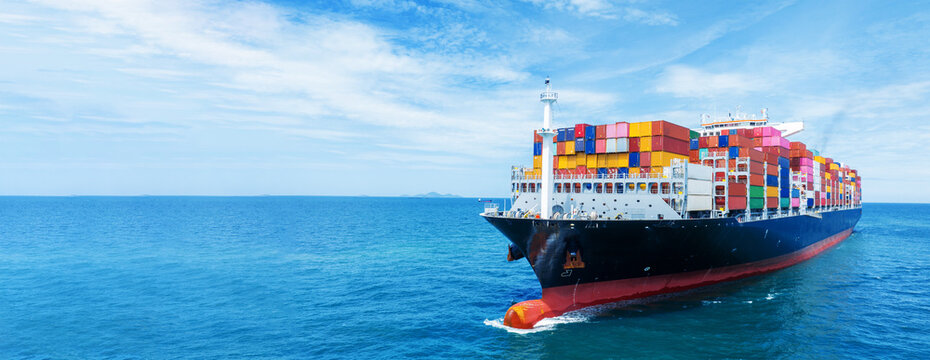
Shipping temperature-sensitive electronics internationally requires stable conditions. Yet, with rising demand and limited availability, securing refrigerated equipment has become a major challenge. Fortunately, the Reefer FCL container shortage solution for electronics from China to Denmark can be tackled through strategic planning, alternatives, and proactive logistics management.
1. Why Are Reefer FCL Containers Used for Electronics?
While reefer containers are traditionally used for perishables, they’re also essential for transporting electronics sensitive to temperature and humidity, such as:
- Lithium-ion batteries
- High-end server components
- LED lighting systems
- Optical sensors and display panels
These products require temperature control between 5°C and 25°C, particularly during long-haul ocean voyages. Additionally, reefers offer ventilation, insulation, and humidity regulation, reducing the risk of condensation damage.
2. What’s Causing the Reefer FCL Container Shortage in 2025?
Global shipping continues to face disruptions due to:
- Post-pandemic backlog recovery delays
- Increased pharmaceutical reefer demand
- Port equipment imbalance (more reefers stuck at destination ports)
- Lack of power plugs at terminals causing dwell-time delays
- Export demand spike from China, especially during Q2 and Q4
Therefore, electronics shippers must act early or find viable alternatives to ensure supply chain continuity.
3. What Is the Transit Time from China to Denmark via Reefer FCL?
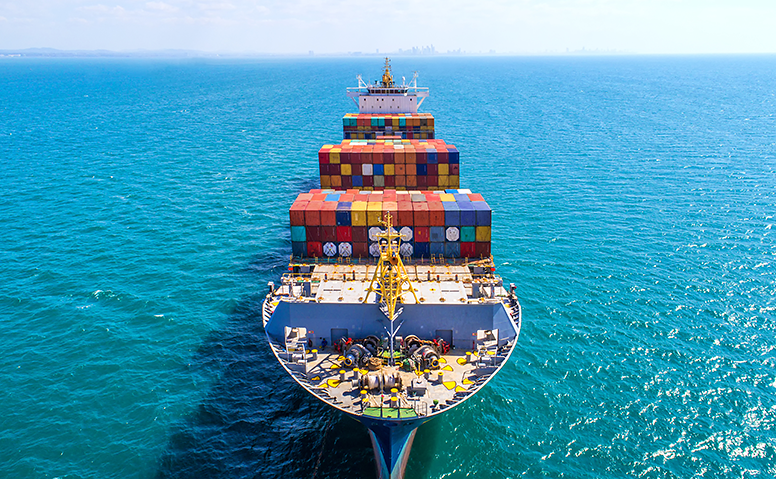
Transit times depend on port pair, carrier, and routing mode.
Transit Time Table: China to Denmark (Reefer FCL)
| China Port | Denmark Port | Transit Time (Days) | Notes |
|---|---|---|---|
| Shanghai | Aarhus | 34–39 | Transshipment via Hamburg or Rotterdam |
| Yantian (Shenzhen) | Copenhagen | 35–42 | Via Northern Europe hubs |
| Ningbo | Aarhus | 33–38 | Fast route, limited reefer slots |
| Qingdao | Fredericia | 36–43 | Via Busan or Antwerp |
Transit time includes port-to-port shipping and excludes customs and inland haulage.
4. How to Secure Reefer FCL Space Despite the Shortage?
To combat scarcity, consider these strategies:
- Pre-book 3–4 weeks in advance during Q2/Q4 peak seasons
- Choose flexible port pairs with better reefer handling
- Reserve reefers from multiple carriers (MSC, CMA CGM, Maersk)
- Request guaranteed space agreements (GSA) for recurring volumes
- Use forwarders with reefer allocation contracts
Moreover, planning around Chinese holidays and European peak congestion times can prevent costly delays.
5. What Are Alternative Solutions for Reefer Container Shortage?
If reefer equipment is unavailable, alternatives include:
Alternative Shipping Solutions for Temperature-Sensitive Electronics
| Option | How It Works | Best For | Limitations |
|---|---|---|---|
| Insulated dry containers with data loggers | Use passive insulation and temperature recorders | Short voyages, non-critical cargo | No active cooling |
| Reefer LCL Consolidation | Shared reefer service via logistics providers | Small batch shipments | Less control over cargo placement |
| Air Freight with Temp Control | Climate-controlled cargo bays on cargo aircrafts | High-value or urgent shipments | High cost, limited volume |
| Cross-border Rail + Reefer Truck | Rail from China to Germany + truck to Denmark | Avoids sea congestion | May extend delivery schedule |
Therefore, importers should select the method based on product sensitivity, urgency, and volume.
6. What Is the Cost of Reefer FCL Shipping for Electronics to Denmark?
Due to shortage, reefer rates are 20–40% higher than standard FCL. Costs also vary by route, volume, and special requirements.
Estimated Reefer FCL Cost (China → Denmark)
| Cost Component | USD Range (40′ Reefer) |
|---|---|
| Ocean Freight | $5,800 – $7,200 |
| Reefer Plug-in Charges | $300 – $600 |
| Port Handling Charges | $250 – $400 |
| Temperature Monitoring | $100 – $300 |
| Insurance | 0.3–0.5% of cargo value |
Additional fees apply if containers are detained at terminals due to lack of reefer plugs.
7. What Are the Documentation Requirements for Electronics Shipping to Denmark?
Ensuring documentation is prepared accurately helps avoid customs delays.
Required Documents Checklist
| Document | Purpose |
|---|---|
| Commercial Invoice | Declares product value for duty purposes |
| Packing List | Describes cargo dimensions and materials |
| Bill of Lading | Proof of shipment |
| HS Code Classification | Determines customs duty rates |
| CE Certification | Confirms EU regulatory compliance for electronics |
| Temperature Logs (if needed) | Monitors internal container conditions |
| Insurance Certificate | Confirms coverage in case of damage/loss |
Additionally, importers should verify product-specific import restrictions and environmental compliance (e.g., RoHS).
8. What Are the Pros and Cons of Reefer vs Air vs Rail for Electronics?
Freight Mode Comparison Table
| Mode | Cost | Transit Time | Best For | Limitations |
|---|---|---|---|---|
| Reefer FCL | Moderate–High | 33–42 days | Temperature-sensitive bulk shipments | Container availability constraints |
| Air Freight | High | 3–7 days | Urgent, high-value electronics | High cost per kg |
| Rail + Truck | Medium | 20–28 days | Large shipments with moderate urgency | More handling points, temperature risk |
| LCL Reefer | Medium–High | 35–45 days | Small shipments | Cargo consolidation delays |
Electronics importers must assess trade-offs between cost, transit reliability, and product safety.
9. How to Monitor Temperature Conditions in Reefer Shipments?
Most carriers provide real-time reefer tracking with:
- Temperature data logs (manual or digital)
- Alerts for temperature deviations
- Sensor reports upon arrival
- Visibility dashboards for continuous tracking
Some advanced containers use IoT sensors and GPS-based logging to ensure compliance with safety protocols.
10. How Can Freight Forwarders Help with Reefer Container Shortage?
Experienced forwarders like ChinaTopFreight offer:
- Priority access to reefer container allocations
- Route optimization for faster delivery
- Temperature-monitoring equipment rental
- Reefer LCL consolidation or multimodal alternatives
- Pre-clearance and document preparation
Therefore, working with a specialized forwarder helps mitigate equipment shortages and ensure secure delivery.
📦Get a Free Quote
Need help navigating the Reefer FCL container shortage solution for electronics from China to Denmark? Our team at ChinaTopFreight is ready to provide real-time sailing updates, reefer container access, alternative routing, and end-to-end cold chain solutions. Contact us to reserve capacity today and keep your electronic shipments safe and on schedule.
❓ Frequently Asked Questions
1. Why do electronics sometimes need reefer containers?
Sensitive electronics like batteries or LEDs can be damaged by extreme heat, cold, or humidity, making controlled environments necessary.
2. Can I use passive insulation instead of a reefer?
Yes, for short voyages. However, it lacks active cooling and isn’t suitable for sensitive or high-value electronics in long transit.
3. How early should I book a reefer container?
At least 3–4 weeks in advance is recommended, especially during high season or when shipping to congested ports like Aarhus or Copenhagen.
4. Are there reefer LCL options available to Denmark?
Yes. Some freight forwarders offer consolidated reefer LCL services, but they have limited schedules and longer lead times.
5. What happens if I can't get a reefer container?
You can opt for insulated dry containers, climate-controlled air freight, or cold-chain trucking combined with rail alternatives.
Conclusion
Facing a Reefer FCL container shortage for electronics from China to Denmark doesn’t have to halt your supply chain. With proactive planning, early bookings, and access to multimodal logistics solutions, importers can mitigate disruptions. From high-value sensors to fragile components, ensuring temperature control is critical—and so is choosing the right partner. At ChinaTopFreight, we deliver the reliability, insight, and global connections needed to keep your shipments protected and flowing—regardless of market volatility.