

- By kelly
- December 5, 2025
- Logistics, Tips or Guide
Reefer FCL Container Shortage Solution for Auto Parts from China to Texas
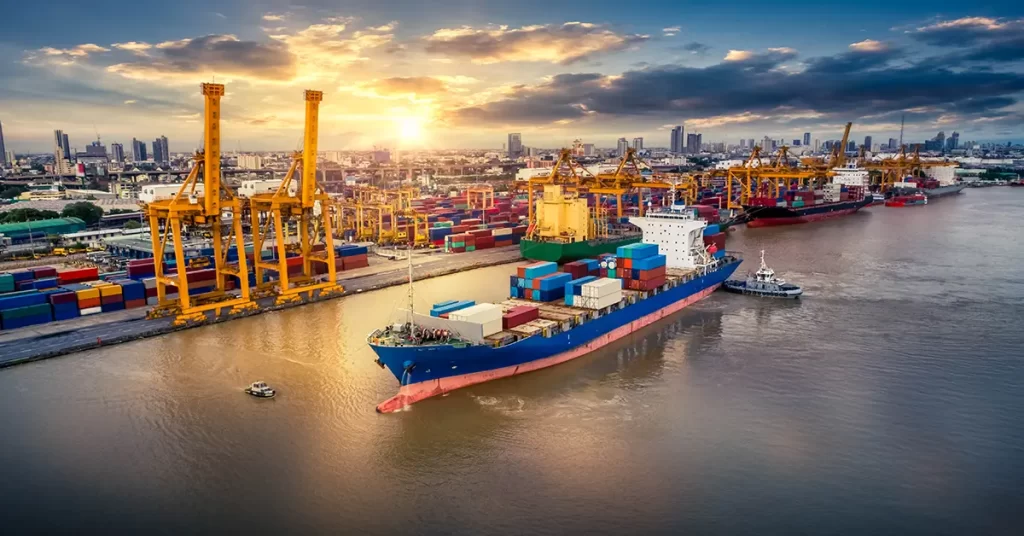
The reefer FCL container shortage solution for auto parts from China to Texas is now a critical concern for automotive importers and logistics teams. As demand for temperature-controlled and sensitive shipments grows, shortages of reefer containers threaten timely deliveries, escalate costs, and disrupt supply chains. However, by adopting proactive strategies and logistics alternatives, companies can overcome this challenge effectively and ensure uninterrupted import/export operations.
1. What Is Causing the Reefer FCL Container Shortage?
Several global logistics disruptions have led to an ongoing reefer container shortage:
- Port congestion in Asia and the US
- Longer container dwell times due to customs or trucker delays
- Imbalanced container repositioning
- Increased demand for electric vehicle parts and temperature-sensitive auto electronics
Moreover, major shipping lines prioritize high-yield commodities like pharmaceuticals and perishables, making auto parts shipments more vulnerable.
2. Why Do Auto Parts from China to Texas Require Reefer Containers?
Although reefer containers are traditionally used for perishable goods, some automotive parts require them due to:
- Temperature sensitivity of electronic components
- Corrosion risk for metal parts in humid or salty air
- Shock and vibration protection in sealed environments
- Compliance with OEM handling standards
High-value components like EV batteries, sensors, and ADAS modules benefit from the consistent climate a reefer container provides.
3. What Is the Average Shipping Cost of Reefer FCL from China to Texas?
Reefer containers generally cost more than dry containers due to electricity requirements, limited availability, and special handling. The total freight cost also depends on the route, carrier, fuel surcharges, and seasonal variations.
Estimated Reefer FCL Costs (China to Texas, 2025)
| Origin Port (China) | US Port (Texas) | Base Rate (Reefer FCL) | All-In Cost Estimate |
|---|---|---|---|
| Shanghai | Houston | $5,500 – $6,300 | $6,800 – $8,000 |
| Shenzhen | Houston | $5,800 – $6,500 | $7,000 – $8,200 |
| Ningbo | Galveston | $6,000 – $6,800 | $7,200 – $8,500 |
Note: All-includes ocean freight, THC, fuel, documentation, and trucking to inland Texas destinations.
4. How Long Does It Take to Ship Reefer Containers from China to Texas?
Transit times for reefer shipments are comparable to dry containers but may be impacted by reefer slot availability and port handling constraints.
Estimated Transit Time (Port-to-Port)
| Route | Transit Time |
|---|---|
| Shanghai → Houston | 25–30 days |
| Shenzhen → Houston | 24–28 days |
| Ningbo → Galveston | 27–32 days |
However, securing reefer space may add 4–7 days in lead time. Booking early is crucial.
5. What Are Viable Solutions to the Reefer FCL Shortage?
Facing a reefer container shortage doesn’t mean your shipment must be delayed. Logistics professionals are using the following strategies:
Strategic Solutions:
- Early booking and forecast sharing: Reserve reefer slots 3–4 weeks ahead and share forecasts with your forwarder.
- Use insulated dry containers with thermal liners: A cost-effective alternative for short transits or non-critical temperature ranges.
- Consolidate shipments: Combine multiple auto parts shipments to utilize space effectively in one reefer container.
- Route flexibility: Ship via less congested ports such as Galveston or Long Beach, then truck inland.
- Partner with freight forwarders like ChinaTopFreight who have preferential reefer slot allocations.
6. What Customs Documents Are Required When Shipping Auto Parts to Texas?
Ensuring smooth customs clearance is vital to prevent reefer detention fees or temperature excursions.
Customs Documents Checklist
| Document | Description |
|---|---|
| Commercial Invoice | Lists HS code, value, and description of auto parts |
| Packing List | Provides packaging details and item count |
| Bill of Lading | Official shipment receipt, required at destination |
| Importer Security Filing (ISF) | Required 24 hours before cargo loading in China |
| Arrival Notice | Issued by carrier, used to release cargo at destination |
| FDA or EPA Clearance | May apply for batteries or electronics |
7. Should You Consider Sea-Air or Rail Options as Alternatives?
In extreme cases of reefer unavailability, multimodal solutions may offer a faster workaround.
Comparison Table: Freight Options for Reefer-Sensitive Auto Parts
| Mode | Transit Time | Cost Estimate | Pros | Cons |
|---|---|---|---|---|
| Sea Freight | 25–32 days | $$ | Affordable, high capacity | Reefer shortage risk |
| Sea-Air | 12–18 days | $$$ | Balanced speed and cost | Complex handling, transshipment |
| Rail | 15–22 days | $$$ | Reliable, greener option | Limited reefer availability |
| Air Freight | 5–7 days | $$$$ | Fastest, minimal handling | Very costly for heavy shipments |
Use sea-air or rail only when the cargo value or urgency justifies it.
8. What Types of Auto Parts Require Reefer Containers Most?
Not all auto parts require temperature-controlled transport. However, the following categories are often shipped in reefers:
- Electric vehicle batteries
- Electronic control units (ECUs)
- Sensors and semiconductors
- Brake systems with fluids
- Coated or plated metal components
Damage during transit due to temperature fluctuations can result in warranty claims or production delays for manufacturers.
9. How Do Logistics Trends Affect Reefer Availability in 2025?
The global logistics environment continues to evolve, directly affecting reefer allocations.
Key Trends:
- Surge in EV production drives up demand for reefer containers globally.
- Red Sea rerouting is extending shipping distances and reefer circulation times.
- US port labor rules are affecting turnaround times for reefer discharge.
- Carriers are reducing reefer inventory due to high maintenance and energy costs.
Therefore, it is essential to work with agile freight partners and maintain a buffer in your supply schedule.
10. What Is the Role of Freight Forwarders in Solving Reefer Shortages?
A professional freight forwarder does more than just book your cargo. They become your supply chain partner and strategic problem-solver.
Freight Forwarder Support Includes:
- Priority access to reefer containers
- Custom reefer routing options
- Consolidation of multiple supplier shipments
- Real-time reefer tracking and temperature monitoring
- Customs clearance and documentation support
Collaborating with a specialist like ChinaTopFreight helps reduce detention costs, booking risks, and delivery delays.
📦Get a Free Quote
If you’re facing challenges with reefer FCL container shortage solution for auto parts from China to Texas, our experienced logistics team is here to help. We offer guaranteed space options, multimodal alternatives, and real-time shipment monitoring to ensure your cargo stays protected throughout the journey. Contact us today to secure your reefer shipment at competitive rates.
❓ Frequently Asked Questions
1. How much does a reefer FCL shipment from China to Texas cost?
Typically between $6,800–$8,500 depending on origin, destination, and cargo weight.
2. What auto parts require reefer containers?
Sensitive items like EV batteries, sensors, and control units often require temperature-controlled shipping.
3. Are there alternatives to reefer containers?
Yes, insulated dry containers with thermal liners or sea-air options can substitute under certain conditions.
4. How long does shipping take from China to Texas?
Transit time ranges from 25–32 days port-to-port depending on route and weather.
5. What ports are recommended in Texas for reefer shipments?
Houston and Galveston are commonly used ports for containerized reefer shipments.
Conclusion
The reefer FCL container shortage solution for auto parts from China to Texas requires strategic planning, flexible routing, and expert logistics partners. While shortages persist, alternatives like thermal liners, sea-air options, and reliable freight forwarders offer effective workarounds. Additionally, understanding port choices, documentation, and transit time helps optimize your supply chain. Partnering with a dedicated logistics provider like ChinaTopFreight ensures your sensitive automotive components are delivered on time, in top condition, and within budget.