

- By carlie tj
- December 4, 2025
- Tips or Guide, Transport
When shipping temperature-sensitive or corrosion-prone car components, Reefer FCL space availability for auto parts from China to Houston becomes mission-critical. Visit ChinaTopFreight to access expert solutions for cold-chain logistics, cargo protection, and guaranteed container space. This comprehensive guide outlines the challenges and solutions for securing space in a competitive freight environment while maintaining quality and speed.
1. Why Is Reefer FCL Shipping Used for Auto Parts?
Although Reefer containers are typically associated with perishables, they are increasingly vital for transporting auto parts prone to moisture, heat, and oxidation. Engine components, electronics, and rubber seals can degrade without climate control. Reefer FCL shipping provides:
- Temperature and humidity control
- Complete cargo protection from salt air or condensation
- Dedicated container space with minimal handling
This makes Reefer FCL ideal for high-value or sensitive parts heading to Houston’s automotive market.
2. What Causes Reefer FCL Space Shortages from China to Houston?
Space constraints arise due to multiple factors:
- Peak Season Overbooking: Summer and pre-holiday periods cause surges in demand.
- Global Equipment Imbalances: Reefer containers may be repositioned to food-producing regions.
- Port Congestion: Delays at Shanghai, Ningbo, or Houston reduce container turnaround.
- Cold Chain Prioritization: Carriers often prioritize food and pharmaceuticals over industrial cargo.
Therefore, planning ahead and working with space-guaranteed forwarders is essential for stable supply chain operations.
3. How to Monitor Reefer FCL Space Availability Effectively?
Keeping tabs on space availability involves:
- Carrier Forecast Reports: Weekly updates from carriers provide visibility into capacity levels.
- Freight Forwarder Alerts: Partners like ChinaTopFreight notify clients when space tightens.
- Online Booking Platforms: Some digital platforms offer real-time space insights and booking.
- Market Reports: Logistics trends and ocean freight indexes help anticipate upcoming constraints.
Advanced visibility tools can help businesses avoid delays and reroute in time.
4. What’s the Booking Process for Reefer FCL to Houston?
Understanding the booking sequence ensures efficiency and higher booking success. Here are the key steps:
- Space Inquiry – Provide cargo details, including volume, weight, dimensions, and required temperature.
- Quotation & Confirmation – Receive rates with space availability confirmation.
- Container Pre-Inspection – Reefer units are checked for cooling performance and cleaned.
- Pick-up & Stuffing – Auto parts are loaded into the container at the supplier’s site.
- Customs Declaration – Submit documents for export in China and import in the U.S.
- Sailing & Monitoring – Track container location, temperature, and potential delays.
- Port of Houston Clearance – Final customs check and inland delivery.
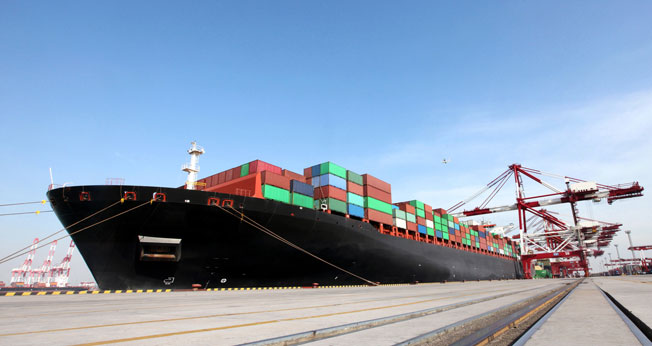
5. What Shipping Routes Are Optimal from China to Houston?
The shipping route significantly impacts Reefer availability and transit time. Common routes include:
- Shanghai → Panama Canal → Houston
- Shenzhen → Busan → Houston
- Ningbo → Los Angeles → Rail to Houston
Choosing direct services when available reduces transit risks and ensures better equipment allocation for Reefer FCL shipments.
6. What Is the Cost Comparison Between Reefer and Standard FCL?
Below is a breakdown of typical costs and differences in service:
Table: Cost & Service Comparison for Reefer vs Standard FCL
| Container Type | Estimated Cost (USD) | Transit Time | Advantages |
|---|---|---|---|
| 40ft Reefer FCL | $6,800 – $8,500 | 22–30 days | Temp control, real-time tracking |
| 40ft Standard FCL | $3,500 – $5,000 | 22–30 days | Cheaper but lacks climate control |
| 20ft Reefer FCL | $4,500 – $5,500 | 22–30 days | Good for smaller but sensitive cargo |
Costs vary by season, carrier availability, and fuel surcharges.
7. What Customs Documents Are Needed for Shipping Auto Parts?
Ensuring compliance with U.S. and Chinese customs regulations is vital. Typical paperwork includes:
| Document | Purpose | Issued By | Key Detail |
|---|---|---|---|
| Commercial Invoice | Declares shipment value and contents | Exporter | Must align with packing list |
| Packing List | Lists all items and specifications | Exporter | Weight, dimension, material type |
| Bill of Lading (B/L) | Shipping contract and proof of carriage | Freight Forwarder | Can be negotiable or express |
| Certificate of Origin | Verifies country of manufacture | Chamber of Commerce | May impact tariff rates |
| Importer Security Filing | Required by U.S. Customs before arrival | U.S. Importer | Filed at least 24h before sailing |
Proper document submission accelerates customs clearance in both China and Houston.
8. What Cargoes Benefit Most from Reefer FCL Among Auto Parts?
Some automotive components are more vulnerable than others. Parts best suited for Reefer shipping include:
- ECU (Electronic Control Units)
- Lithium Batteries
- Rubber Seals and Gaskets
- Painted or Coated Surfaces
- Sensors and Circuit Boards
These items require a controlled environment to avoid humidity-triggered corrosion or condensation.
9. Can You Guarantee Reefer FCL Space in Peak Seasons?
Yes—but only by partnering with experienced freight forwarders. Space can be guaranteed through:
- Advance Block Booking Contracts
- Priority Carrier Agreements
- Flexible Routing Options
- Depot-to-Port Empty Container Pickup
Early planning combined with reliable logistics partners is essential to secure space and prevent rollovers.
10. Conclusion
Managing Reefer FCL space availability for auto parts from China to Houston demands proactive planning, documentation accuracy, and alignment with reliable shipping partners. With temperature-controlled environments, advanced booking strategies, and cargo visibility tools, automotive companies can safeguard their supply chains against costly delays and cargo degradation. Trust freight experts like ChinaTopFreight to streamline your Reefer FCL logistics and secure reliable transit for even the most sensitive components.
Request a Quote
China Top Freight offers:
- ✅ Origin and Destination Countries
- ✅ Cargo Type and Volume
- ✅ Preferred Transport Method (Air, Sea, Rail, Road)
- ✅ Delivery Timeline
- ✅ Special Handling Requirements (if any)
FAQ
How early should I book Reefer FCL for auto parts?
Book at least 3–4 weeks in advance during peak season to secure space and avoid booking cancellations or costly rollovers.
Do Reefer containers protect against sea salt damage?
Absolutely. Reefer containers are sealed and insulated to prevent external moisture or salt air from affecting your auto parts.
What are the benefits of GPS-enabled Reefer FCL shipping?
GPS tracking improves visibility, enables proactive issue resolution, and enhances planning accuracy for cold chain deliveries.
Can I ship lithium batteries in Reefer FCL?
Only under strict IMDG regulations. Ensure correct documentation and container type, and confirm with carrier policies in advance.
Do I need a temperature logger in every Reefer shipment?
While not mandatory, it is highly recommended to monitor conditions inside the container throughout the journey for sensitive parts.