

Reefer FCL Space Availability for Hardware Tools from China to UK
Navigating the complexities of international shipping for specialized cargo, particularly temperature-sensitive hardware tools, demands careful planning. Securing reliable Reefer FCL space availability for hardware tools from China to UK is a critical concern for many businesses. This guide will help you understand the nuances of this specialized logistics challenge, ensuring your sensitive products arrive in optimal condition.

What is Reefer FCL Shipping for Hardware Tools?
Reefer FCL refers to a Full Container Load (FCL) utilizing a refrigerated container, specifically designed to maintain a consistent temperature range. This is crucial for hardware tools that might be sensitive to extreme heat, cold, or humidity.
Furthermore, certain advanced electronic components, specialized alloys, or precision instruments can degrade if exposed to fluctuating environmental conditions during transit. Therefore, maintaining a stable climate within the container is paramount for preserving product integrity and functionality.
Ultimately, selecting reefer FCL ensures that your valuable hardware tools, from delicate sensors to specialized manufacturing parts, are protected throughout their extensive journey. This specialized shipping method safeguards against potential damage, which can lead to costly replacements and production delays.
Why is Reefer FCL Space Availability Crucial for UK Imports?
Securing reefer FCL space is often more challenging than booking standard dry containers due to limited supply and specialized operational requirements. For hardware tools, particularly those with embedded electronics or specific material compositions, temperature stability prevents thermal expansion, condensation, or material degradation.
Moreover, the demand for temperature-controlled logistics has surged globally, intensifying competition for available slots on vessels. This increased demand, combined with potential port congestion and supply chain disruptions, can make timely bookings difficult.
Therefore, proactive planning and collaboration with experienced freight forwarders are essential to guarantee space. Ensuring consistent shipping to Europe, especially the UK, requires foresight to navigate these market conditions effectively.
How Do Current Market Conditions Affect Reefer FCL Rates and Transit Times?
As of early 2025, freight rates for reefer FCL from China to the UK have seen some stabilization, yet they remain susceptible to various market dynamics. Fuel costs, carrier capacity, and seasonal demand significantly influence pricing. Notably, peak seasons, typically from August to October, often see rates increase by 15-25%.
Additionally, global events, such as geopolitical tensions or port labor disputes, can introduce unexpected surcharges and extend transit times. The average sea transit time from major Chinese ports like Shanghai or Ningbo to UK ports such as Felixstowe or Southampton generally ranges from 30 to 38 days. However, delays can occur.
Consequently, understanding these market fluctuations is vital for accurate budgeting and delivery schedule planning. Partnering with a freight forwarder that offers robust sea freight services can mitigate these risks by providing real-time market insights and booking flexibility.
Note: Freight rates are subject to change based on fuel costs, carrier capacity, and seasonal demand. Contact us for a current quote tailored to your specific shipment.

What Are the Key Considerations for Shipping Hardware Tools in Reefer Containers?
When shipping hardware tools requiring temperature control, several factors demand attention to ensure a smooth process. First, precise temperature settings must be communicated to the carrier, ranging from chilled to frozen, depending on the tool’s specifications.
Secondly, proper packaging is crucial; even within a reefer, goods should be protected from potential condensation or minor temperature fluctuations during transfers. Strong, moisture-resistant packaging helps maintain product integrity.
Thirdly, comprehensive documentation, including detailed commercial invoices, packing lists, and any necessary certifications for specialized tools, is essential for smooth customs clearance. Moreover, ensuring compliance with UK import regulations is paramount to avoid delays and penalties.
Finally, selecting a reliable logistics partner with expertise in customs brokerage expertise for temperature-controlled cargo is indispensable. Their experience will streamline the process, addressing potential issues before they escalate.
| Consideration | Description | Impact on Shipping |
|---|---|---|
| Temperature Range | Specify exact temperature requirements for tools. | Prevents damage, ensures product integrity. |
| Packaging | Use moisture-resistant, sturdy packaging. | Protects against condensation and physical shock. |
| Documentation | Accurate commercial invoice, packing list, certifications. | Ensures smooth customs clearance, prevents delays. |
| UK Import Regulations | Compliance with specific tariffs, duties, and standards. | Avoids penalties, facilitates market entry. |
| Monitoring | GPS and temperature logging throughout transit. | Provides transparency, enables quick issue resolution. |
How Does Reefer FCL Compare to Other Shipping Options?
For temperature-sensitive hardware tools, reefer FCL stands as the most robust solution, yet understanding alternatives is valuable. While air freight offers speed, it comes at a significantly higher cost and might not always accommodate large volumes or specific temperature controls as precisely as a dedicated reefer container.
Standard dry FCL or LCL (Less than Container Load) options are unsuitable for goods requiring strict temperature control, as they offer no protection against heat, cold, or humidity fluctuations. This could lead to irreparable damage for sensitive hardware.
Therefore, the choice ultimately depends on the specific requirements of your hardware tools, balancing speed, cost, and the imperative of maintaining environmental stability. Reefer FCL provides the best balance for most volume-based temperature-controlled shipments to the UK.
| Shipping Method | Cost Range (China-UK 40HQ) | Transit Time | Best For | Limitations |
|---|---|---|---|---|
| Reefer FCL | $3,500-4,500 | 30-38 days | Large volume, temperature-sensitive cargo | Higher cost than dry FCL, limited availability |
| Dry FCL | $3,000-4,200 | 30-38 days | Large volume, non-sensitive cargo | No temperature control, not suitable for sensitive tools |
| Air Freight | $15,000-25,000 (estimated) | 5-7 days | Urgent, high-value, small volume cargo | Very high cost, limited capacity for large items |
| LCL (Dry) | $50-80/CBM (estimated) | 35-45 days | Small volume, non-sensitive cargo | No temperature control, longer transit, more handling |
Which Option Should You Choose for Your Hardware Tools?
Deciding on the optimal shipping method requires evaluating your priorities and cargo characteristics. If budget is your primary concern and your hardware tools are not temperature-sensitive, standard dry FCL might be viable, but this is rare for specialized tools.
Conversely, if speed is paramount for urgent prototypes or critical components, air freight is the fastest option, despite its premium cost. However, for most bulk shipments of delicate or temperature-sensitive hardware, reefer FCL is the recommended choice.
For cargo types that require precise environmental control, such as electronic components, optical instruments, or specific chemical-coated tools, reefer FCL is indispensable. Furthermore, if you are shipping to Amazon FBA solutions centers in the UK, consistent delivery schedules are crucial, which reefer FCL can reliably provide for sensitive goods.
Consider hybrid solutions for unique scenarios. For example, a sea-air combination might involve shipping by sea to a European hub and then air freighting to the UK for faster final delivery, balancing cost and speed for time-critical, yet temperature-sensitive, smaller batches.
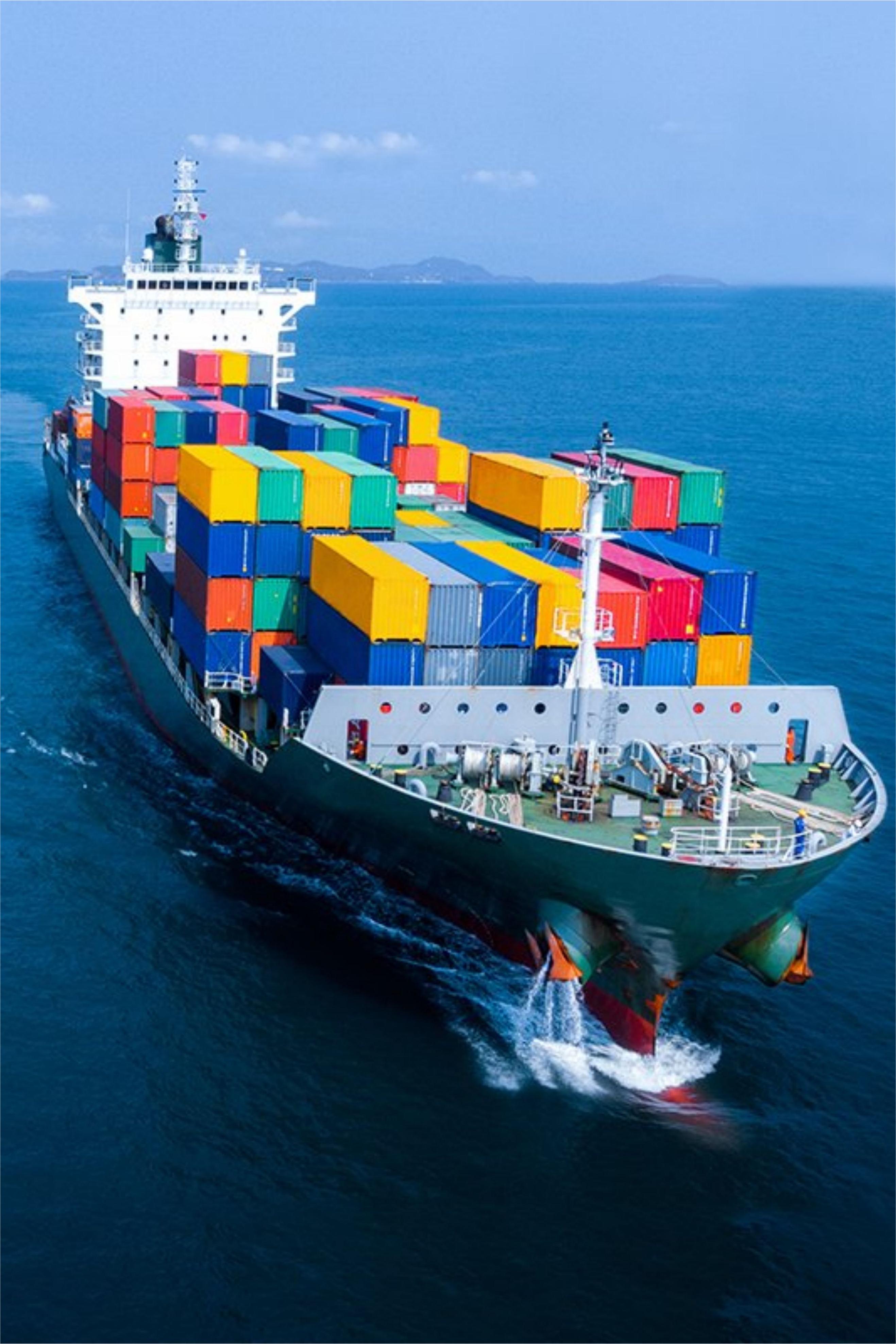
Real-World Reefer FCL Shipments for Hardware Tools to the UK
Understanding real-world scenarios provides practical insights into managing reefer FCL shipments effectively. These case studies highlight typical challenges and successful strategies for shipping hardware tools from China to the UK.
Case Study 1: Precision Robotics Components
This shipment involved highly sensitive robotics components that required a stable environment to prevent calibration drift and material degradation. The client prioritized temperature consistency and timely delivery.
| Detail | Description |
|---|---|
| Route | Shanghai, China -> Felixstowe, UK |
| Cargo | Precision robotics components, 28 CBM, 12,000 kg |
| Container | 40HQ Reefer (+15°C) |
| Carrier/Service | COSCO |
| Port of Loading | Shanghai |
| Port of Discharge | Felixstowe |
| Route Type | Direct |
| Ocean Freight | $4,100 |
| Origin Charges | $450 |
| Destination Charges | $380 |
| Customs & Duties (estimated) | $750 |
| Total Landed Cost | $5,680 |
| Booking to Loading | 5 days |
| Sea Transit | 32 days |
| Customs Clearance | 3 days |
| Total Door-to-Door | 40 days |
| Key Insight | Proactive booking secured space during a busy period, ensuring temperature stability for delicate components. Based on Q4 2024 market rates. |
Case Study 2: Specialized Medical Device Manufacturing Tools
A UK medical device manufacturer needed to import specialized tools whose coatings were sensitive to humidity and temperature fluctuations. The shipment required strict cold chain adherence and efficient door-to-door delivery.
| Detail | Description |
|---|---|
| Route | Ningbo, China -> Southampton, UK |
| Cargo | Medical device manufacturing tools, 20 CBM, 9,000 kg |
| Container | 40GP Reefer (+18°C, humidity control) |
| Carrier/Service | Maersk |
| Port of Loading | Ningbo |
| Port of Discharge | Southampton |
| Route Type | Transshipment via Rotterdam |
| Ocean Freight | $3,950 |
| Origin Charges | $420 |
| Destination Charges | $350 |
| Customs & Duties (estimated) | $680 |
| Total Landed Cost | $5,400 |
| Booking to Loading | 7 days |
| Sea Transit | 36 days |
| Customs Clearance | 4 days |
| Total Door-to-Door | 47 days |
| Key Insight | Utilized a transshipment route to secure space, managing extended transit effectively with continuous temperature monitoring. Typical rates as of early 2025. |
What are the Best Practices for Booking Reefer FCL Space?
Securing reefer FCL space requires a strategic approach. Firstly, booking well in advance, ideally 3-4 weeks prior to your desired loading date, significantly increases your chances of securing preferred slots. This foresight is crucial, especially during peak seasons.
Secondly, clearly communicate all cargo specifications, including precise temperature requirements, dimensions, and weight. Accurate information prevents last-minute issues and ensures the correct reefer type is allocated.
Thirdly, maintain flexibility with sailing dates and port options if possible. Sometimes, adjusting your schedule by a few days or using an alternative port can open up more availability. Finally, work with a freight forwarder that has strong carrier relationships and a proven track record in reefer logistics.
According to industry benchmarks, forwarders with established networks can often secure space even when general availability is tight. Market data suggests that rates are more competitive when booked further in advance.
How Can You Optimize Your Supply Chain for Reefer FCL Shipments?
Optimizing your supply chain for reefer FCL shipments involves several strategic steps to enhance efficiency and reduce costs. Initially, consider consolidating multiple smaller orders into a single FCL shipment to maximize container utilization. This reduces per-unit shipping costs.
Furthermore, implementing robust inventory management practices helps forecast demand accurately, preventing urgent, costly last-minute shipments. A steady flow of goods allows for more predictable booking patterns and better rate negotiation.
Additionally, investing in high-quality, temperature-resistant packaging materials can provide an extra layer of protection, even within a controlled environment. This minimizes risks associated with brief temperature excursions during handling or transfer.
Finally, leveraging technology for real-time tracking and temperature monitoring provides unparalleled visibility throughout the journey. This allows for proactive intervention if any deviations occur, safeguarding your investment in sensitive hardware tools.
Ensuring Seamless Reefer FCL Logistics for Your Hardware Tools
Effectively managing <a href=”https://chinatopfreight.com/”>Reefer FCL space availability for hardware tools from China to UK</a> is a complex yet critical component of modern supply chains. By understanding market dynamics, adhering to best practices, and partnering with experienced logistics providers, businesses can ensure the safe and timely delivery of their temperature-sensitive cargo.
Indeed, proactive planning, clear communication, and strategic partnerships are the cornerstones of successful specialized freight. Ultimately, safeguarding your hardware tools’ integrity throughout their international journey protects your investment and maintains your reputation.
Need a tailored shipping solution?
Ready to secure reliable Reefer FCL space for your hardware tools from China to the UK? Contact us today for a personalized quote and expert guidance. Our team is prepared to streamline your specialized shipping needs.