

Importers shipping temperature-sensitive hardware tools often struggle with seasonal container shortages across major Chinese ports. Because maintaining Reefer FCL space availability for hardware tools from China to Ireland is essential for quality assurance, companies must plan early to avoid rollovers, rising freight charges, and storage risks. This guide explains how to secure reefer capacity, reduce costs, and streamline deliveries to Ireland.
1. Why Do Hardware Tool Shipments Require Reefer FCL Space?
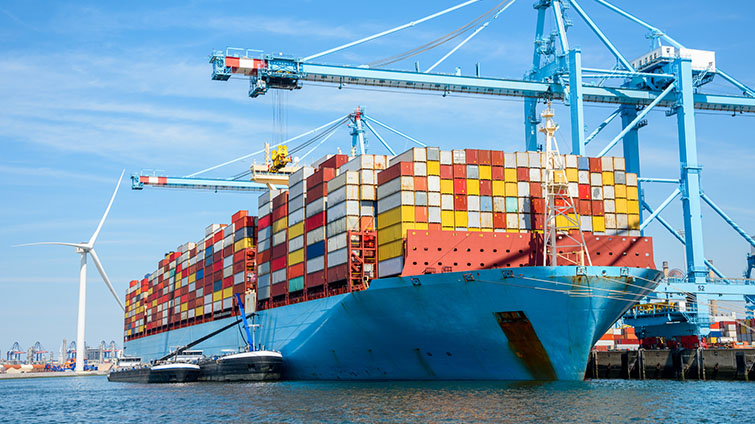
Although many tools do not require freezing temperatures, certain industrial hardware and precision components benefit from stable temperature control. Moreover, Ireland’s humid climate and long transit from China increase the risk of corrosion and moisture damage.
Reasons reefer containers are required
- Temperature-sensitive electrical tools
- Precision components requiring humidity control
- Hardware with anti-rust coatings needing stable climates
- High-value machinery requiring protective environments
Therefore, demand for reefer equipment increases during seasonal export peaks.
2. Why Is Reefer FCL Space Limited for China → Ireland Shipments?
Reefer availability depends heavily on global repositioning patterns. Additionally, carriers prioritize food and pharmaceutical cargo, leaving limited space for hardware tools.
Key shortage factors
- High global reefer demand
- Long turnaround time on Europe lanes
- Imbalance of inbound and outbound reefer flows
- Peak-season pressure from seafood and produce industries
Importers must anticipate space limitations well in advance.
3. What Shipping Methods Can Handle Reefer Hardware Tool Shipments?
While sea freight is the primary mode for reefer containers, air freight may be used for urgent cargo. Ireland cannot be reached directly by rail from China, so rail options are excluded.
Table 1: Shipping Method Comparison
| Shipping Mode | Cost Level | Transit Time | Pros | Cons |
|---|---|---|---|---|
| Reefer FCL Sea Freight | Medium | 32–40 days | Controlled temperature, cost-effective | Peak-season shortages |
| Air Freight (Temp-Controlled) | Very High | 3–6 days | Fast, reliable | High cost, limited volume |
| Sea + Truck to Ireland | Medium–High | 35–44 days | Flexible port options | Extra handling steps |
Long-tail keywords included: China to Ireland reefer shipping cost, temperature-controlled hardware shipping, FCL logistics for Ireland, cold-chain container booking.
4. How to Improve Reefer FCL Space Availability for Hardware Tools?
Securing reefer space requires early communication and well-planned booking strategies. Therefore, importers should coordinate closely with freight forwarders and suppliers.
Proven strategies
- Submit booking 20–30 days before cargo readiness
- Request guaranteed reefer allocations
- Flexibly choose among Shanghai, Ningbo, and Shenzhen
- Avoid shipping during major export holidays
- Share temperature requirements early to reserve suitable containers
5. What Are the Most Reliable China–Ireland Routes for Reefer Containers?
While Ireland has limited direct Asia services, major carriers serve it via transshipment hubs in Europe.
Table 2: Transit Times to Ireland
| Origin Port | Main Hub | Final Port (Ireland) | ETA |
|---|---|---|---|
| Shanghai | Rotterdam | Dublin | 36–42 days |
| Ningbo | Antwerp | Cork | 38–44 days |
| Shenzhen/Yantian | Rotterdam | Dublin | 33–40 days |
Because reefer cargo is sensitive, choosing stable transshipment hubs is critical.
What are you waiting for?
Contact chinatopfreight for a fast, free quote.
Are you ready to book?
Access live instant freight quotes
6. Do Reefer Containers Increase Shipping Costs for Hardware Tools?
Yes. Reefer equipment includes additional operating costs, and carriers often apply peak-season premiums. However, cost increases vary.
Cost drivers
- Seasonal reefer shortages
- Additional plug-in and monitoring fees
- Higher handling charges at EU ports
- Longer dwell time at terminals
- Risk surcharges for temperature-sensitive cargo
Moreover, choosing a port with lower congestion helps stabilize pricing.
7. How Should Hardware Tools Be Packed for Reefer FCL Transport?

Proper packing protects sensitive hardware components. Additionally, stable packaging reduces customs inspection risks and minimizes moisture exposure.
Best packaging techniques
- Use strong, moisture-resistant cartons
- Add desiccant packs to reduce humidity
- Pack pallets with even weight distribution
- Seal metal components to prevent rust
- Photograph loading to document condition
8. What Documentation Helps Maintain Reefer FCL Space Availability?
Documentation is essential because carriers do not release reefer space without complete details. Moreover, customs procedures in Ireland require accuracy.
Table 3: Ireland Customs Documents Checklist
| Document | Purpose | Notes |
|---|---|---|
| Invoice | Declares value | Hardware descriptions required |
| Packing List | Confirms quantity | Must match reefer loading plan |
| Bill of Lading | Shipping record | Ensure temperature settings shown |
| Certificate of Origin | Duty benefits | Needed for some tools |
| Import Declaration | Customs entry | Managed by Irish customs broker |
Accurate documentation reduces delays that could jeopardize reserved reefer slots.
9. How to Avoid Shipping Delays for Hardware Tools?
Shipping delays often arise from operational issues at Chinese ports or European hubs. Therefore, importers should monitor schedules proactively.
Delay prevention strategies
- Confirm temperature settings before container pickup
- Avoid weekend departures with limited port operations
- Track vessel schedules weekly
- Use carriers with strong Europe connections
- Schedule unloading equipment at Ireland warehouses in advance
10. When Should Importers Consider Air Freight Instead of Reefer FCL?
Air freight becomes valuable when shipments are urgent or extremely temperature-sensitive. Additionally, it prevents stockouts for high-demand hardware components.
Air freight ideal for
- Precision tools needing strict temperature stability
- High-value electronics
- Small-volume shipments
- Urgent maintenance parts for Ireland-based factories
Although costly, air freight ensures consistent temperature control.
Conclusion
Ensuring Reefer FCL space availability for hardware tools from China to Ireland requires early planning, accurate documents, and strategic multimodal route selection. Moreover, choosing reliable China–Europe carriers, optimizing packaging, and managing temperature requirements carefully enhances cargo safety throughout the cold-chain journey. By monitoring peak demand and partnering with experienced forwarders, importers can maintain consistent supply flows and protect high-value hardware components across long transit routes. Ultimately, a proactive logistics strategy ensures stable delivery performance into Dublin, Cork, and the wider Irish market.
FAQ
1. How early should I book a reefer container for Ireland?
Booking at least 20–30 days before cargo readiness greatly improves the chance of securing reefer space during peak export seasons from China.
2. Can reefer containers ship hardware tools safely?
Yes. Reefer containers maintain stable temperature and humidity levels, which protect precision tools and sensitive metal components during long ocean transit.
3. Are there direct China–Ireland reefer routes?
No. Shipments normally transship via Rotterdam or Antwerp. However, these hubs provide reliable reefer plug-in facilities to ensure cargo stability.
4. Do I need special documents for reefer shipments?
You only need standard import documents, but temperature settings and handling instructions must be indicated clearly on the Bill of Lading for carrier approval.
5. Can air freight replace reefer sea freight?
Yes, especially for small, urgent, or temperature-sensitive hardware tools. Air freight is faster but significantly more expensive than reefer FCL shipping.