

For exporters of industrial equipment, ensuring Reefer FCL space availability for machinery from China to Miami is crucial for maintaining cargo integrity and meeting delivery timelines. Temperature-controlled Full Container Load (FCL) shipping offers a secure, stable, and cost-effective solution for large machinery that must be transported under specific environmental conditions. At China Top Freight, we help businesses secure reefer space even during high-demand seasons.
1. What Is Reefer FCL Shipping and Why Is It Important for Machinery?
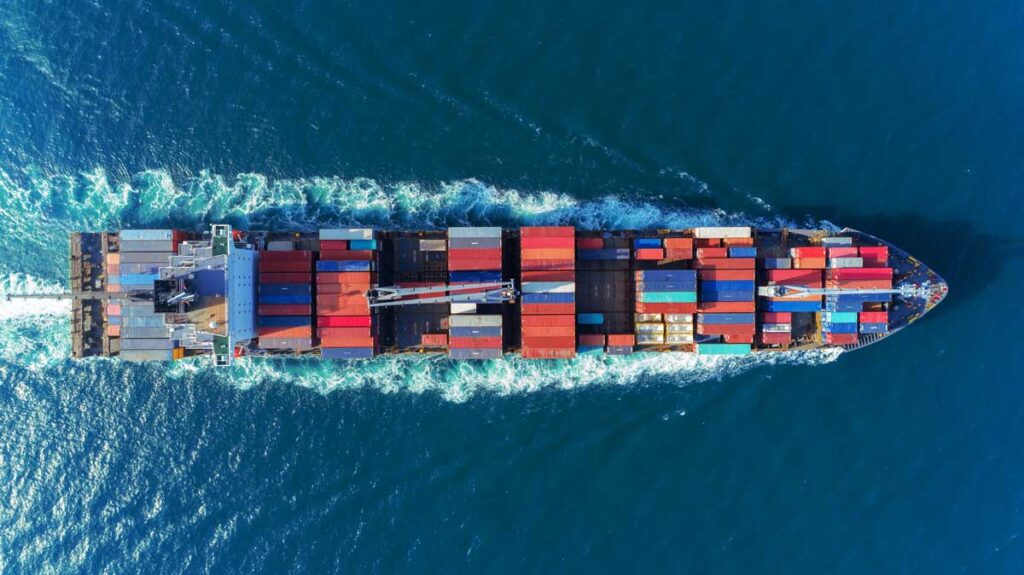
Reefer FCL shipping refers to using a refrigerated full container load for temperature-sensitive goods. While reefer containers are traditionally used for food or pharmaceuticals, certain industrial machinery also requires controlled environments to prevent rust, condensation, or damage caused by humidity.
Key Benefits for Machinery:
- Prevents corrosion and oxidation
- Ensures constant climate during long ocean transit
- Reduces handling risks through sealed container systems
By booking Reefer FCL early, you can guarantee space during tight capacity periods, especially on China–U.S. trade routes.
2. Why Is Reefer FCL Space Availability Limited on the China–Miami Route?
Reefer FCL space scarcity arises from strong global demand and limited container circulation. The China–Miami route is particularly affected during peak export seasons and hurricane months in Florida.
Factors Causing Space Shortages:
- Seasonal export surges (Q2–Q4)
- Port congestion in Shanghai, Shenzhen, and Miami
- Reefer plug shortages at terminals
- Carrier capacity constraints
Therefore, forward planning and advance booking (3–4 weeks) are essential to secure space for large-scale machinery shipments.
3. How Does the Reefer FCL Booking Process Work?
The Reefer FCL booking process involves multiple steps to align carrier schedules, customs compliance, and technical cargo requirements.
Step-by-Step Process:
- Cargo Assessment: Confirm size, weight, and temperature range.
- Freight Quotation: Receive shipping cost including reefer surcharge.
- Space Confirmation: Reserve Reefer FCL slot with carrier.
- Document Submission: Provide invoice, packing list, and export declaration.
- Container Loading: Load at factory or depot under supervision.
- Customs Clearance: Obtain export permit from Chinese authorities.
- Transit Monitoring: Use tracking and reefer data logging during voyage.
- Arrival at Miami Port: Complete import documentation and delivery.
A professional freight forwarder ensures this process runs smoothly without delays or penalties.
What are you waiting for?
Contact chinatopfreight for a fast, free quote.
Are you ready to book?
Access live instant freight quotes
4. What Are the Typical Shipping Costs for Reefer FCL from China to Miami?
Shipping costs fluctuate depending on fuel rates, port surcharges, and seasonal demand. Below is an estimated range for Reefer FCL machinery shipments.
| Container Type | Average Cost (USD) | Transit Time (Days) | Temperature Range (°C) | Best For |
|---|---|---|---|---|
| 20FT Reefer | 4,200–5,000 | 32–36 | -10°C to +25°C | Small machine parts |
| 40FT Reefer | 5,800–6,700 | 33–38 | -25°C to +25°C | Large equipment |
| 40HQ Reefer | 6,000–7,500 | 34–40 | -30°C to +25°C | Oversized industrial cargo |
Table 1: Estimated Reefer FCL Costs from China to Miami
Early booking and flexible scheduling can significantly lower costs, particularly during high-demand
5. Which Shipping Routes Connect China and Miami for Reefer Cargo?
The main routes for Reefer FCL shipments between China and Miami operate via transshipment ports like Los Angeles, Panama, or Savannah.
| Origin Port (China) | Route Type | Transit Time (Days) | Transshipment Hub |
|---|---|---|---|
| Shanghai | Sea – Panama Canal | 34–38 | Panama |
| Shenzhen | Sea – Pacific Coast | 33–36 | Los Angeles |
| Ningbo | Sea – Trans-Atlantic | 36–40 | Savannah |
Table 2: Common Reefer FCL Routes to Miami
Each route offers different advantages depending on delivery urgency, customs flexibility, and carrier frequency.
6. What Documentation Is Needed for Reefer FCL Export to Miami?
Documentation ensures compliance with Chinese export and U.S. import regulations.
| Document Name | Purpose | Issued By |
|---|---|---|
| Commercial Invoice | Declares shipment value | Exporter |
| Packing List | Details itemized cargo | Shipper |
| Bill of Lading | Confirms ownership | Freight Forwarder |
| Export License | Legal authorization | Exporter |
| Temperature Log | Verifies climate control | Carrier |
| Arrival Notice | Confirms shipment entry | U.S. Customs Broker |
Proper paperwork prevents clearance delays and container detention charges.
7. How Can Shippers Improve Reefer FCL Space Availability?
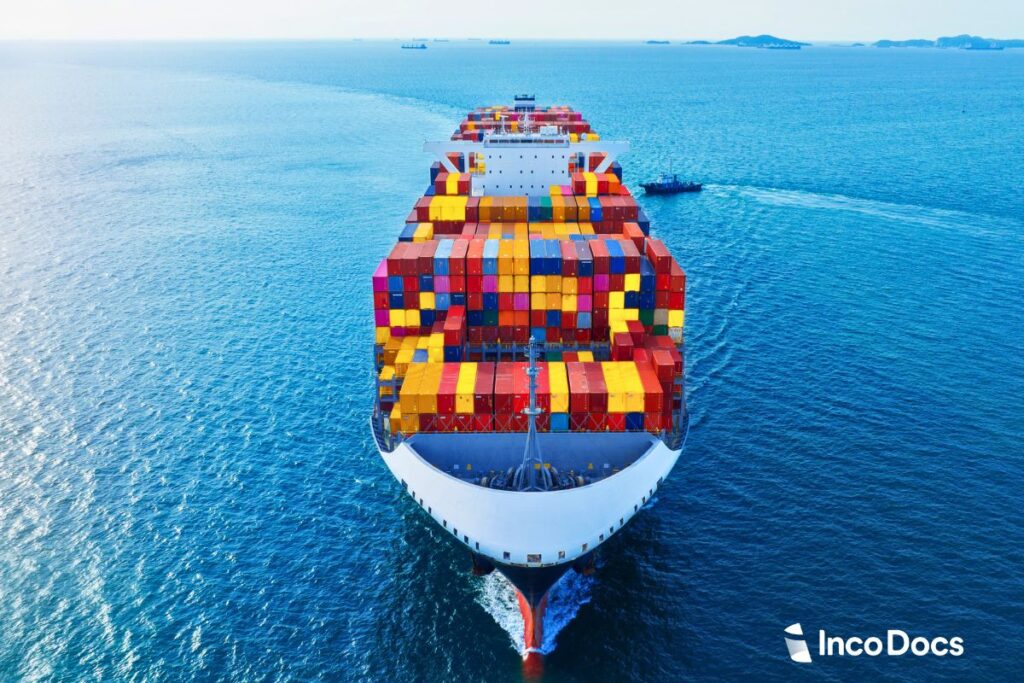
To avoid rejected bookings or space shortages, exporters must proactively manage logistics.
Key Strategies:
- Book early: Minimum 3 weeks ahead of departure.
- Use multiple carriers: Secure backup options for space.
- Avoid peak season exports: Schedule shipments between January–April.
- Leverage freight forwarders: They have pre-allocated carrier slots.
- Maintain flexibility: Accept nearby port alternatives such as Jacksonville.
Proactive communication helps ensure uninterrupted shipping flow and minimized demurrage.
8. How Does Reefer FCL Differ from Standard FCL for Machinery Shipping?
| Aspect | Reefer FCL | Standard FCL |
|---|---|---|
| Temperature Control | Yes, adjustable | No |
| Suitable Cargo | Sensitive machinery | General goods |
| Cost | Higher (due to energy use) | Lower |
| Monitoring | Real-time digital tracking | Basic tracking only |
| Power Supply | Required throughout | Not required |
Table 3: Reefer FCL vs Standard FCL Comparison
Although slightly costlier, reefer shipping offers higher protection for machinery prone to temperature or humidity damage.
9. What Are the Key Advantages of Using Reefer FCL for Machinery?
Reefer containers deliver multiple benefits beyond temperature control:
- Enhanced cargo safety: Reduces exposure to condensation and corrosion.
- Stable humidity: Prevents sensitive electronic or hydraulic components from malfunctioning.
- Extended shelf-life: Ensures consistent condition over long transit times.
- Data monitoring: Temperature logs confirm cargo quality upon arrival.
For high-value machinery, these features justify the investment.
10. How Long Does Customs Clearance Take in Miami for Machinery Shipments?
U.S. Customs and Border Protection (CBP) typically clears reefer shipments within 2–3 business days, provided all documents are accurate.
Tips for Smooth Clearance:
- Work with a certified customs broker.
- Submit electronic import declarations early.
- Verify HS codes for machinery classification.
- Keep temperature and packing certificates handy for inspection.
Delays usually occur due to missing certificates or incomplete tariff declarations.
Conclusion
The Reefer FCL space availability for machinery from China to Miami depends on proactive planning, accurate documentation, and reliable logistics partners. Reefer containers offer the best protection against environmental risks, making them essential for high-value machinery. Partnering with China Top Freight ensures consistent capacity, optimized shipping costs, and on-time delivery across global trade lanes.
FAQ
1. How early should I book a Reefer FCL for machinery?
Booking at least three to four weeks in advance is recommended to ensure space availability and preferred sailing schedules.
2. Can machinery be shipped with other temperature-sensitive goods?
It’s possible only if cargo temperature requirements align. Otherwise, dedicated Reefer FCL booking is advised for safety and compliance.
3. What temperature should I set for machinery shipping?
Most industrial equipment travels best between +10°C and +25°C to prevent condensation and maintain internal component integrity.
4. Do Reefer FCL containers require external power at ports?
Yes, reefers must stay plugged into port power sources to maintain the preset temperature during waiting or loading periods.
5. Are there insurance options for Reefer FCL cargo?
Comprehensive marine insurance covers loss, temperature deviation, and mechanical failure during sea transit and customs handling.