

Shipping temperature-sensitive medical supplies requires precision, reliability, and guaranteed capacity. That’s why many importers closely track Reefer FCL space availability for medical equipment from China to Spain, as securing refrigerated container slots has become increasingly challenging due to seasonal demand, global shortages, and strict cold-chain requirements. Nevertheless, with the right strategy and planning, businesses can maintain product integrity, reduce risk, and ensure consistent delivery for hospitals, distributors, and pharmaceutical partners in Spain.
1. What Factors Influence Reefer FCL Space Availability for Medical Equipment?
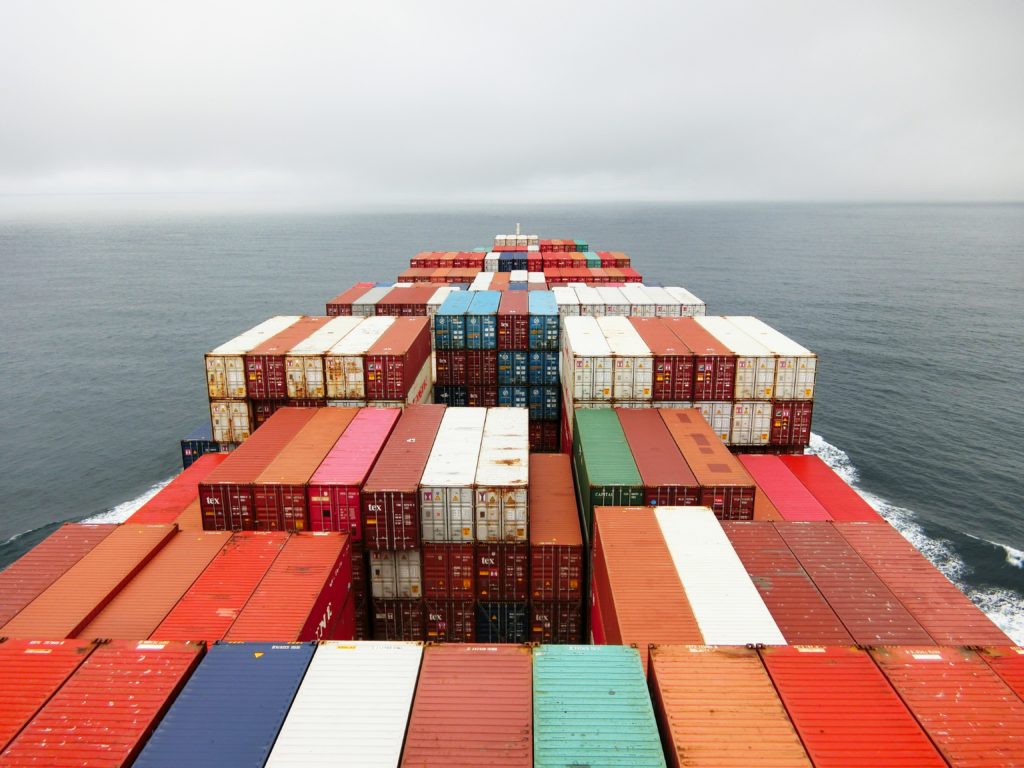
Space availability depends on a mix of operational, seasonal, and market-driven variables. Moreover, medical equipment often requires stable temperatures, making advance planning essential.
Equipment Allocation
Shipping lines allocate limited reefer units per route, prioritizing high-volume ports like Shanghai and Qingdao.
Peak Season Pressure
Demand surges during Spanish medical procurement cycles, especially before winter or large hospital tenders.
Global Reefer Shortages
Worldwide pharmaceutical shipments and food exports compete for the same refrigerated equipment.
Temperature Requirements
Medical devices needing 2–8°C or 15–25°C ranges require specific reefer settings, often limiting availability further.
2. How Much Does Reefer FCL Shipping Cost from China to Spain?
Freight rates vary by port, demand cycles, and container availability. The table below provides general weekly market estimates.
Table 1 — Reefer FCL Cost Range for Medical Equipment
| Route | Reefer FCL Rate (USD) | GRI/Surcharges | Temp Range |
|---|---|---|---|
| Shanghai → Valencia | $5,800–$6,800 | +$300–$600 | 2–8°C |
| Shenzhen → Barcelona | $5,600–$6,700 | +$300–$650 | 15–25°C |
| Qingdao → Valencia | $5,900–$7,100 | +$350–$700 | 2–8°C |
Prices are indicative; actual quotes fluctuate due to fuel adjustments, reefer imbalance charges, and port congestion.
3. What Is the Transit Time for Reefer FCL Shipping from China to Spain?
Transit times differ based on routing and schedule reliability. Additionally, medical equipment may undergo pre-loading inspections that add extra days.
Table 2 — Transit Time by Origin Port
| Origin Port | Destination | Transit Time | Notes |
|---|---|---|---|
| Shanghai | Valencia | 28–33 days | Most reliable route |
| Ningbo | Barcelona | 30–34 days | Fewer direct sailings |
| Shenzhen | Valencia | 29–35 days | Longer during peak |
What are you waiting for?
Contact chinatopfreight for a fast, free quote.
Are you ready to book?
Access live instant freight quotes
4. Why Is Reefer FCL Capacity Often Limited on China–Spain Routes?
Spain imports large volumes of food, pharmaceuticals, and temperature-controlled medical devices. Therefore, reefer equipment turns over slowly, and repositioning containers back to China takes time.
Key Limitations
- Limited reefer plugs on vessels
- Temperature control requirements
- Height and weight restrictions for medical machinery
- Port congestion delays during EU medical procurement seasons
Because of these constraints, importers should secure bookings early to avoid rollovers.
5. What Types of Medical Equipment Commonly Require Reefer FCL Shipping?
Many medical goods rely on precise temperature stability to maintain quality and safety during long sea voyages.
Typical Reefer-Dependent Items
- Diagnostic testing devices
- Surgical kits with temperature-sensitive materials
- Blood storage equipment
- Medical-grade electronics sensitive to heat
- Calibration instruments
- Biotech research tools
- Temperature-stabilized medical consumables
These items often require strict compliance with EU and Spain’s AEMPS regulations.
6. What Documents Are Required When Shipping Medical Equipment to Spain?
Medical cargo faces tight customs scrutiny. Therefore, complete documentation ensures smooth clearance upon arrival.
Table 3 — Customs Documentation Checklist
| Document | Description | Required? | Notes |
|---|---|---|---|
| Bill of Lading | Proof of shipment | Yes | Must match temperature settings |
| Commercial Invoice | Value & HS code | Yes | Must reflect medical classification |
| Packing List | Dimensions & weight | Yes | Critical for reefer loading |
| CE/ISO Certificates | Compliance | Sometimes | Needed for sensitive devices |
| Temperature Logs | Proof of cold-chain | Yes | Required for medical imports |
| Import License | Special cargo | Case-by-case | According to AEMPS regulations |
7. How to Improve Your Chances of Securing Reefer Space for Medical Equipment?

Because reefer availability is limited, importers must be proactive and strategic when planning shipments.
Booking Tips
- Reserve at least 3–4 weeks in advance
- Use forwarders with direct reefer contracts
- Avoid peak seasons where possible
- Pre-confirm temperature settings with suppliers
- Request alternate ports like Barcelona or Valencia
- Consolidate orders into 1×40RH instead of multiple units
These tactics significantly increase space success rates.
8. What Are the Main Spanish Ports Handling Reefer FCL Cargo?
Spain operates several specialized cold-chain hubs equipped to manage pharmaceutical and medical shipments.
Valencia
Spain’s largest reefer hub with efficient customs and priority handling.
Barcelona
Advanced cold-chain storage and fast connections to EU transport corridors.
Algeciras
High-capacity reefer plugs but longer inland transport for inland medical distributors.
9. Should You Choose Reefer FCL, Air Freight, or Rail Freight for Medical Equipment?
Sea freight is cost-effective but not always ideal for urgent or highly sensitive medical cargo. The table below compares logistics modes.
Table 4 — Freight Mode Comparison
| Mode | Cost | Transit Time | Pros | Cons |
|---|---|---|---|---|
| Reefer FCL | Low | 28–35 days | Stable temperatures, good for large volumes | Slower |
| Air Freight | Highest | 3–7 days | Fast, reliable | Expensive |
| Rail Freight | Medium | 18–22 days | Faster than sea | Limited reefer capacity |
Because medical equipment varies widely in sensitivity and urgency, many importers use a hybrid logistics strategy.
10. What Temperature Ranges Are Required for Medical Equipment Reefer Shipping?
Different devices have distinct temperature sensitivities, and incorrect settings may cause malfunction or invalidate certification.
Common Temperature Settings
- 2–8°C for laboratory and diagnostic devices
- 15–25°C for general medical electronics
- -20°C for certain research-grade tools
- Custom ranges for biotech equipment
Maintaining integrity throughout the cold chain is mandatory under EU GDP guidelines.
Conclusion
Understanding Reefer FCL space availability for medical equipment from China to Spain is essential for maintaining cold-chain reliability, reducing delays, and protecting high-value medical devices. Because demand for reefer units is rising globally, proactive planning, accurate documentation, and early booking can significantly improve shipping outcomes. For long-term success, importers should build strong relationships with forwarders who specialize in temperature-controlled medical logistics and can secure consistent capacity even during peak seasons.
FAQ
1. How far in advance should I book reefer space for medical equipment?
You should book at least three to four weeks early because reefer units are limited, especially during peak procurement seasons.
2. Are reefer containers suitable for all types of medical equipment?
They work for most temperature-sensitive devices, but extremely fragile or urgent equipment may require air freight for better speed and risk control.
3. What temperature controls are available on reefer containers?
Reefers maintain 2–8°C, 15–25°C, frozen settings, or custom ranges depending on device requirements, ensuring compliance with strict medical cold-chain standards.
4. Do medical equipment shipments require special customs checks in Spain?
Yes, authorities may review CE certificates, temperature logs, HS codes, and equipment classifications for safety compliance and product integrity.
5. Which Spanish port is best for medical device imports?
Valencia is preferred due to strong reefer infrastructure, fast customs handling, and extensive cold-chain storage capacity for medical shipments.