

Reefer FCL Space Availability for Toys from China to Los Angeles
Securing reliable reefer FCL space availability for toys from China to Los Angeles is a critical challenge for many importers. Temperature-sensitive toys, such as those with intricate electronics or specific material compositions, demand precise climate control during transit. Navigating fluctuating freight rates and limited capacity requires expert logistics planning to ensure product integrity and timely delivery. Discover how China Top Freight can streamline your cold chain logistics.
Understanding Reefer FCL for Temperature-Sensitive Toys
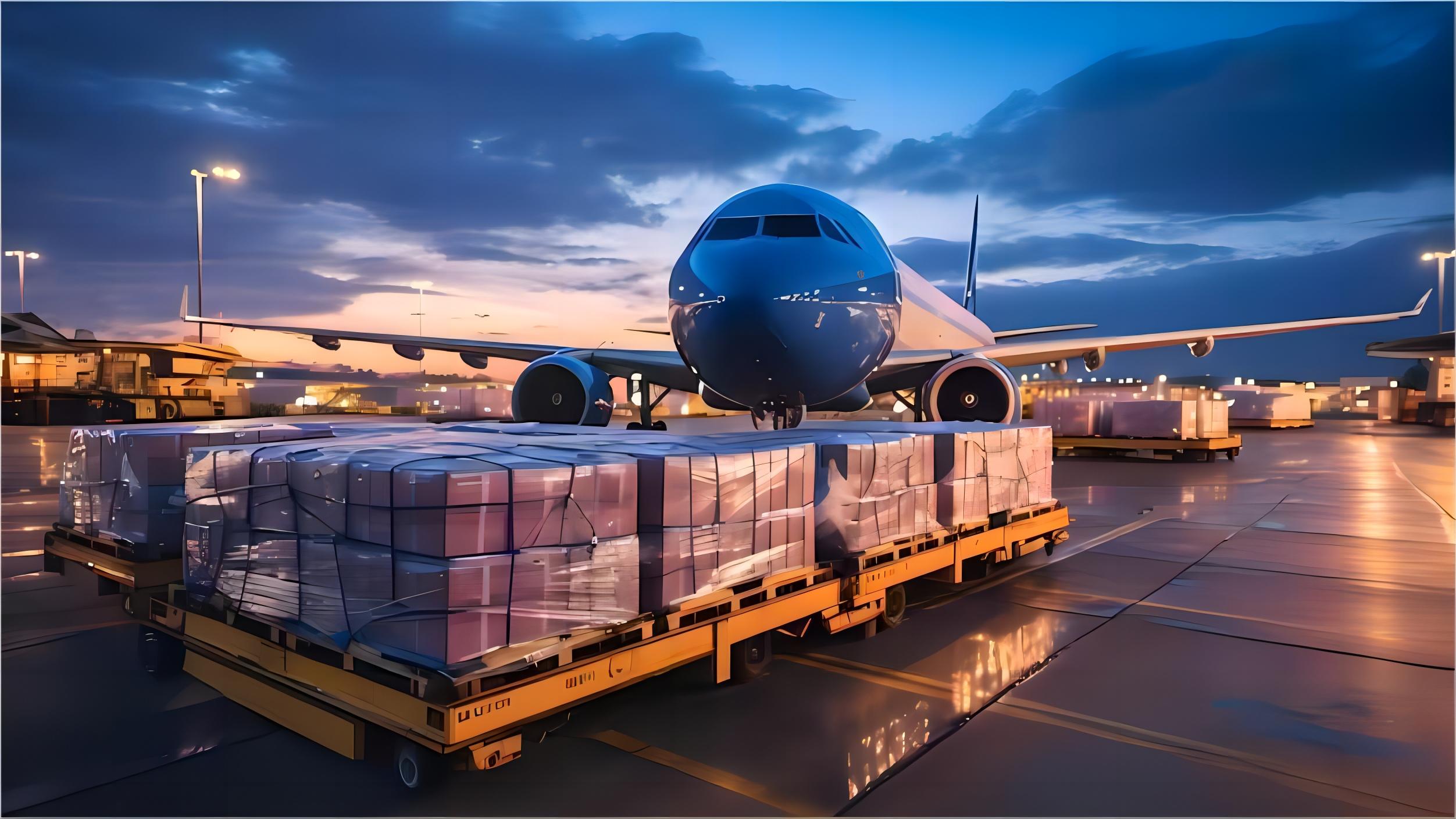
Reefer FCL, or refrigerated Full Container Load, refers to shipping an entire container dedicated to your temperature-controlled cargo. This method is essential for toys requiring specific environmental conditions, protecting them from heat, humidity, or even freezing temperatures. Many modern toys, especially those with advanced electronics or delicate materials, necessitate this specialized care.
Furthermore, maintaining the correct temperature and humidity prevents damage, ensuring products arrive in pristine condition. This specialized handling safeguards the quality and functionality of your valuable toy inventory. Consequently, it minimizes potential losses due to spoilage or degradation during long ocean voyages.
Key Challenges in Securing Reefer FCL Space for Toys
Finding consistent reefer FCL space availability for toys from China to Los Angeles can be complex. Demand often outstrips supply, especially during peak shipping seasons and holidays. Moreover, the specialized equipment required for reefer containers is limited, leading to competitive booking environments.
Additionally, port congestion at both origin and destination can severely impact delivery schedules. Factors like equipment shortages, particularly chassis for refrigerated units, further complicate timely cargo movement. Therefore, early planning and a robust logistics partner are indispensable for successful shipments.
How Does Reefer FCL Compare to Other Shipping Options?
When shipping toys from China to Los Angeles, several options exist, each with distinct advantages and disadvantages. Reefer FCL is specifically designed for temperature-sensitive goods, offering unparalleled control and protection. However, other methods might be suitable for non-perishable or less sensitive items.
Consider sea freight as the primary mode for large volumes due to its cost-effectiveness. Nevertheless, the choice between FCL (Full Container Load) and LCL (Less than Container Load) also plays a significant role. FCL provides exclusive use of a container, while LCL consolidates multiple shipments, often without temperature control.
| Shipping Method | Cost Range (40HQ China-LA) | Transit Time (China-LA) | Best For | Limitations |
|---|---|---|---|---|
| Reefer FCL | $3,500 – $5,500 | 14 – 18 days | Temperature-sensitive, high-volume toys | Higher cost, limited space availability |
| Standard FCL | $2,800 – $3,800 | 14 – 18 days | Non-perishable, high-volume toys | No temperature control, subject to port delays |
| Standard LCL | $80 – $120/CBM | 18 – 25 days | Smaller, non-sensitive toy shipments | Longer transit, no temperature control, more handling |
| Air Freight | $4,000 – $7,000 (1000kg) | 3 – 7 days | Urgent, high-value, low-volume toys | Significantly higher cost, volume/weight restrictions |
Navigating Transit Times and Routes to Los Angeles
The transit time for reefer FCL shipments from China to Los Angeles typically ranges from 14 to 18 days. This duration can vary based on the specific port of loading in China, the chosen shipping line, and whether it’s a direct or transshipment route. Major ports like Shanghai, Ningbo, and Shenzhen offer the most frequent sailings.
However, external factors such as weather conditions, port congestion, and customs clearance procedures can extend these timelines. Therefore, building buffer time into your supply chain is a wise strategy. Effective logistics planning helps manage expectations and mitigate potential delays for your temperature-controlled cargo.
Essential Customs and Documentation for Toy Imports
Importing toys into the United States, especially from China, requires meticulous attention to customs regulations and documentation. Key documents include the Commercial Invoice, Packing List, Bill of Lading, and Certificate of Origin. Furthermore, toys must comply with specific U.S. consumer product safety standards, including CPSIA and often FDA regulations for certain materials.
Ensuring all necessary paperwork is accurate and submitted correctly is vital to avoid delays and penalties. An experienced customs brokerage partner can navigate these complexities, ensuring smooth customs clearance for your toy shipments. This expertise helps prevent costly hold-ups at the port of entry in Los Angeles.
Real-World Scenarios: Reefer Toy Shipments to Los Angeles
Examining actual case studies provides valuable insights into the practical aspects of reefer FCL shipping for toys. These examples highlight the various considerations, from cargo specifications to cost implications and transit efficiencies. Each scenario underscores the importance of tailored logistics solutions for different types of toy products.
Case Study 1: High-Value Electronic Toys
This case involved a manufacturer of advanced electronic robotics toys, requiring a consistent temperature range to protect sensitive components. The priority was maintaining product integrity and minimizing transit time. Securing reefer FCL space was paramount for this high-value, temperature-sensitive cargo.
| Detail | Description |
|---|---|
| Route | Shanghai, China Los Angeles, USA |
| Cargo | Electronic Robotics Toys, 60 CBM, 12,000 kg |
| Container | 1 x 40HQ Reefer |
| Carrier/Service | COSCO (Direct Service) |
| Port of Loading | Shanghai |
| Port of Discharge | Los Angeles |
| Route Type | Direct |
| Ocean Freight | $4,800 |
| Origin Charges | $350 |
| Destination Charges | $400 |
| Customs & Duties (estimated) | $750 |
| Total Landed Cost | $6,300 |
| Booking to Loading | 4 days |
| Sea Transit | 16 days |
| Customs Clearance | 2 days |
| Total Door-to-Door | 22 days |
| Key Insight | Proactive booking secured premium reefer space, ensuring critical temperature control for sensitive electronics. Timely Amazon FBA delivery was achieved. |
Case Study 2: Seasonal Plush Toys with Humidity Control Needs
A popular line of plush toys, featuring specialized fabric treatments, required strict humidity control to prevent mildew and material degradation. This shipment was time-sensitive for a holiday release. Securing appropriate reefer FCL space during the peak season was a significant challenge.
| Detail | Description |
|---|---|
| Route | Ningbo, China Los Angeles, USA |
| Cargo | Seasonal Plush Toys, 55 CBM, 9,000 kg |
| Container | 1 x 40GP Reefer |
| Carrier/Service | MSC (Transshipment via Busan) |
| Port of Loading | Ningbo |
| Port of Discharge | Los Angeles |
| Route Type | Transshipment via Busan |
| Ocean Freight | $3,900 |
| Origin Charges | $300 |
| Destination Charges | $380 |
| Customs & Duties (estimated) | $600 |
| Total Landed Cost | $5,180 |
| Booking to Loading | 7 days |
| Sea Transit | 20 days |
| Customs Clearance | 3 days |
| Total Door-to-Door | 30 days |
| Key Insight | Choosing a transshipment route offered a more economical reefer FCL option during peak season, balancing cost with acceptable transit time for the required humidity control. |
Case Study 3: Large Volume of Collectible Plastic Figures
This client needed to ship a substantial quantity of collectible plastic figures, which could warp if exposed to extreme heat. Cost-effectiveness was important, but temperature stability was non-negotiable. The goal was to secure reliable reefer FCL space without excessive premiums.
| Detail | Description |
|---|---|
| Route | Shenzhen, China Los Angeles, USA |
| Cargo | Collectible Plastic Figures, 65 CBM, 10,000 kg |
| Container | 1 x 40HQ Reefer |
| Carrier/Service | Maersk (Direct Service) |
| Port of Loading | Shenzhen |
| Port of Discharge | Los Angeles |
| Route Type | Direct |
| Ocean Freight | $4,500 |
| Origin Charges | $320 |
| Destination Charges | $390 |
| Customs & Duties (estimated) | $700 |
| Total Landed Cost | $5,910 |
| Booking to Loading | 5 days |
| Sea Transit | 15 days |
| Customs Clearance | 2 days |
| Total Door-to-Door | 22 days |
| Key Insight | Leveraging strong carrier relationships enabled access to consistent reefer FCL space at competitive rates, ensuring the integrity of the plastic figures. The door-to-door service simplified the entire process. |
Optimizing Your Reefer FCL Strategy for Toys
Optimizing your reefer FCL strategy involves several critical steps to ensure efficiency and cost-effectiveness. Firstly, early booking is paramount, especially for seasonal toy products. This proactive approach helps secure space and often better rates, mitigating last-minute surcharges.
Moreover, consider flexibility with your port of loading in China. Sometimes, shifting from a major port to a slightly smaller one can alleviate congestion and improve equipment availability. Partnering with a freight forwarder who has strong relationships with multiple carriers is also invaluable for negotiating better terms and access to space. This ensures a resilient supply chain for your toy imports.
Which Option Should You Choose? A Decision Framework
Determining the best shipping option for your toys depends on a clear understanding of your priorities and cargo characteristics. Each factor plays a crucial role in selecting the most suitable logistics solution. Therefore, a structured decision-making process is highly recommended.
If budget is your primary concern, standard FCL or LCL may be more economical for non-temperature-sensitive items. However, for speed, air freight is unmatched, albeit at a higher cost. For delicate, temperature-sensitive toys, reefer FCL is generally the only viable option, ensuring product integrity and compliance.
Key Criteria for Selection
Budget Priority: For cost-sensitive shipments of non-perishable toys, consider standard FCL or LCL. These methods offer competitive freight rates but lack temperature control.
Speed Priority: When time is critical, particularly for new product launches or urgent restocks, air freight is the fastest solution. Be prepared for significantly higher shipping costs.
Cargo Type Considerations: Temperature-sensitive items like electronic toys, certain plastics, or collectibles require reefer FCL. This protects against damage from environmental fluctuations.
Volume Thresholds: For shipments under 15 CBM, LCL might be more economical than a full container. Conversely, anything above 15 CBM typically benefits from FCL rates and dedicated space.
Market Insights and Pricing Dynamics for Reefer FCL
As of early 2025, freight rates for reefer FCL from China to Los Angeles have shown some stabilization following periods of volatility. However, seasonal fluctuations remain a key factor. Rates typically increase by 15-25% during Q3 and Q4 due to holiday peak seasons, impacting overall shipping costs.
According to industry benchmarks, port congestion in Los Angeles can still lead to additional charges and delays, affecting the overall delivery schedule. Therefore, staying informed about current logistics trends and working with a proactive freight partner is essential. This helps in managing expectations and optimizing your supply chain.
Ensuring Safe and Timely Delivery of Your Toys
Effectively managing reefer FCL space availability for toys from China to Los Angeles is vital for businesses in the toy industry. It ensures product integrity, minimizes losses, and maintains customer satisfaction. From understanding specialized container requirements to navigating complex customs procedures, every step demands precision and expertise.
By partnering with an experienced logistics provider, you can overcome common shipping challenges and optimize your supply chain. This strategic collaboration guarantees that your temperature-sensitive toys reach their destination efficiently and intact, protecting your investment and reputation.
Ready to streamline your logistics?
Ready to secure reliable reefer FCL space availability for toys from China to Los Angeles? Contact our expert team today for a personalized consultation and competitive quote. We are here to simplify your international shipping needs and ensure your valuable cargo arrives safely.
Request Quote