

Managing Reefer FCL space availability for solar panels from China to France has become increasingly important as global demand for renewable energy accelerates. Because solar panels are highly sensitive to temperature, humidity, and shock, importers must secure reliable Reefer container space to protect performance quality throughout the supply chain. However, limited Reefer capacity, peak-season pressure, and routing constraints often make space availability unpredictable.
What Does Reefer FCL Space Availability Mean for Solar Panel Shipments?
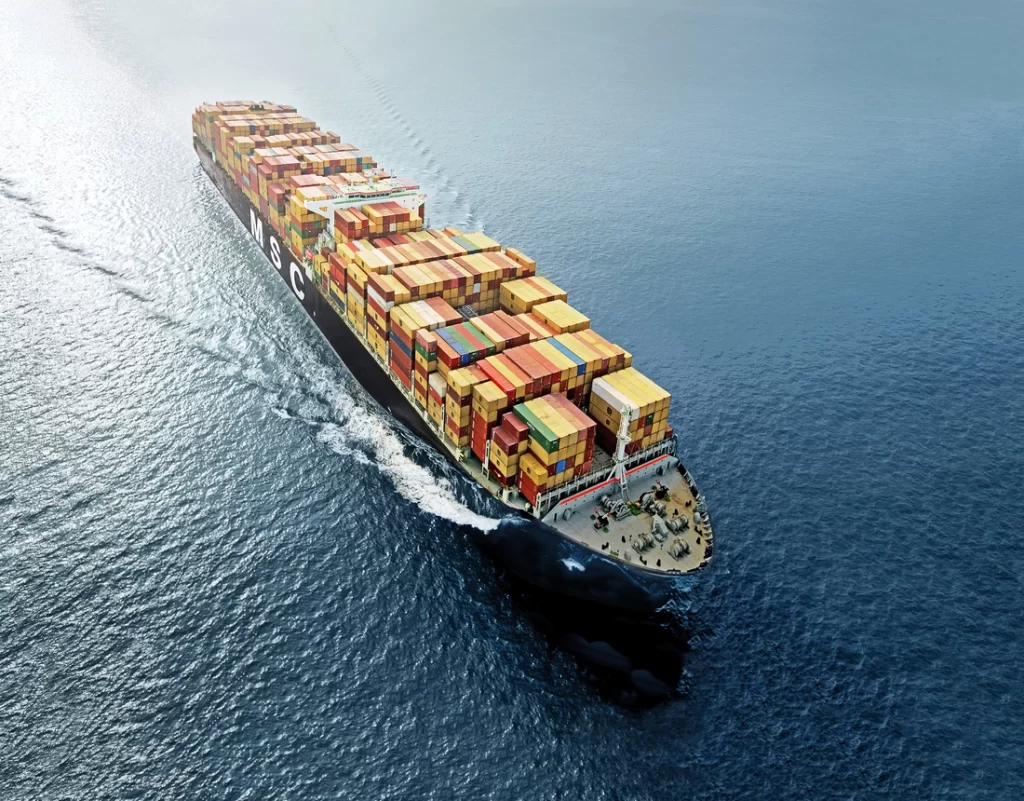
Reefer FCL space availability refers to whether refrigerated containers and vessel slots are accessible for your shipment. Although solar panels are not frozen goods, Reefer containers maintain a stable low-humidity environment that prevents microcracks, delamination, or corrosion.
Why Solar Panels Use Reefer Containers
- Humidity control prevents internal moisture damage
- Temperature stability protects photovoltaic cells
- Safer for high-value palletized cargo
- Improved shock absorption compared to dry containers
Why Is Reefer Space Tight for Shipments from China to France?
Reefer equipment shortages occur because many carriers prioritize perishable foods, pharmaceuticals, and temperature-controlled cargo. Moreover, China–Europe routes face seasonal peak loads, reducing availability.
Key Reasons for Tight Capacity
- High demand from food exporters
- Limited Reefer stock at Chinese ports
- Vessel rotations adjusted during slow steaming periods
- Increased EU demand for solar energy materials
How Do Carriers Allocate Reefer Containers for Solar Panels?
Carriers typically allocate Reefer equipment based on booking timing, commodity type, contract volume, and service commitments. Additionally, solar panels are considered valuable cargo, which often increases priority when documents are accurate.
Allocation Factors
- Early booking (2–3 weeks ahead)
- Reefer availability at Shanghai, Ningbo, Shenzhen
- Carrier priority based on cargo value
- Space on Europe-bound loops (AE10, FAL1, MD2)
What are you waiting for?
Contact chinatopfreight for a fast, free quote.
Are you ready to book?
Access live instant freight quotes
How Much Does Reefer FCL Shipping Cost from China to France?
Reefer shipments include several additional charges beyond standard FCL rates. Moreover, solar panels may require premium routing to maintain container performance.
Cost Drivers
- Base freight rate
- Reefer plugin fee
- PTI (Pre-Trip Inspection) fee
- Peak season surcharge
- Destination handling charges
Estimated Reefer FCL Cost Breakdown
| Cost Component | Estimated Range (USD) |
|---|---|
| Ocean Freight | 1,800–3,200 |
| Reefer Surcharge | 300–600 |
| PTI Fee | 60–120 |
| Origin THC | 250–380 |
| Destination THC | 380–600 |
| Local Delivery France | 150–280 |
How Long Does It Take to Ship Solar Panels to France in Reefer FCL?
Transit varies by port pair and carrier loop, but most containers move through Mediterranean or Northern European gateways.
Typical Transit Times
- Shanghai → Le Havre: 30–36 days
- Ningbo → Le Havre: 32–38 days
- Shenzhen → Le Havre: 33–42 days
- Qingdao → Marseille: 34–45 days
Transit Time Comparison Table
| Origin Port | Destination | Transit Time | Notes |
|---|---|---|---|
| Shanghai | Le Havre | 30–36 | Fastest and most reliable |
| Ningbo | Le Havre | 32–38 | Strong weekly services |
| Shenzhen | Le Havre | 33–42 | Via Singapore |
| Qingdao | Marseille | 34–45 | Direct + feeder |
What Documents Are Needed for Solar Panel Reefer Shipments?
=
Documentation accuracy is essential to avoid customs delays and secure equipment space. Additionally, France enforces strict import requirements for energy products.
Required Documents
- Commercial invoice
- Packing list
- Bill of Lading
- Certificate of Origin
- PV module technical data sheet
- CE certificate
- HS code declaration
- Container temperature & humidity setting record
Customs Documentation Checklist
| Document | Purpose | Required For |
|---|---|---|
| Invoice | Cargo valuation | All shipments |
| Packing List | Confirms weight & volume | All |
| B/L | Proof of ocean carriage | FCL |
| COO | Preferential duty | Optional |
| CE Cert | EU compliance | Solar panels |
| Technical Sheet | Product validation | Import inspection |
What Issues Commonly Affect Reefer FCL Space Availability?
Space shortages often occur due to mismatched equipment distribution or sudden spikes in renewable energy demand.
Common Challenges
- Reefer stock imbalance at major Chinese ports
- Overbooking during peak seasons
- Limited plug points on vessels
- Inspection delays for solar panel documentation
How Can You Improve Your Chances of Securing Reefer Space?
Importers can significantly boost their chances by planning earlier and optimizing documentation. Furthermore, choosing flexible routing helps avoid congestion.
Proven Strategies
- Book 2–3 weeks ahead
- Request multiple port options
- Submit all documents early
- Choose carriers with strong Europe loops
- Avoid peak congestion periods (Q2 & Q4)
Should You Consider Alternative Routes for Better Reefer Availability?
Yes — alternative ports help reduce delays when primary gateways are congested. Moreover, routing flexibility increases equipment availability.
Recommended Alternatives
- China → Marseille → France domestic trucking
- China → Antwerp → Le Havre feeder
- China → Barcelona → France cross-border trucking
How Do Sea, Air, and Rail Compare for Solar Panel Transport?
Although Reefer sea freight is the best option for bulk transport, alternative modes work for urgent or small-volume shipments.
Shipping Method Comparison
| Method | Cost | Transit Time | Pros | Cons | Best For |
|---|---|---|---|---|---|
| Reefer Sea Freight | Low | 30–45 days | Stable humidity | Slow | Bulk PV panels |
| Air Freight | Very High | 3–6 days | Fast | Very expensive | Urgent panels |
| Rail Freight | Medium | 18–25 days | Faster than sea | Limited cooling | Medium-volume cargo |
Conclusion
The Reefer FCL space availability for solar panels from China to France depends on container supply, route selection, proper documentation, and early booking. By understanding cost factors, environmental requirements, transit times, and alternative routing options, importers can secure reliable Reefer equipment and minimize damage risks. For a smoother, safer shipment, partnering with an experienced freight forwarder ensures stable scheduling, controlled conditions, and optimized supply chain performance.
FAQ
1. How early should I secure Reefer container space for solar panels?
Booking two to three weeks ahead ensures Reefer equipment availability, especially during seasons when perishable cargo competes for the same resources.
2. Do solar panels require temperature-controlled shipping?
Yes, controlled humidity and moderate temperatures help prevent moisture damage, warping, and microcracks that impact photovoltaic efficiency and long-term performance.
3. What documentation is required for solar panel shipments to France?
You typically need invoices, packing lists, CE certificates, HS codes, and PV module specification sheets to meet France and EU import inspection standards.
4. Are Reefer containers more expensive than dry containers?
Yes, because Reefer units include cooling systems, plugin charges, and PTI fees, making them more suitable for sensitive or high-value cargo like solar panels.
5. What causes Reefer container shortages in China?
Shortages arise from peak export seasons, strong demand from food and pharma exporters, and limited returning Reefer units after long-distance routes.