

Finding reliable Reefer FCL space availability for toys from China to Belgium is essential for maintaining steady supply chains in the competitive toy market. Moreover, temperature-controlled shipping ensures product integrity, compliance, and on-time delivery to European distributors. However, limited Reefer container supply, seasonal congestion, and complex customs procedures often create obstacles. Therefore, strategic planning, documentation accuracy, and early booking are crucial for avoiding costly disruptions.
1. What affects Reefer FCL space availability for toy shipments to Belgium?
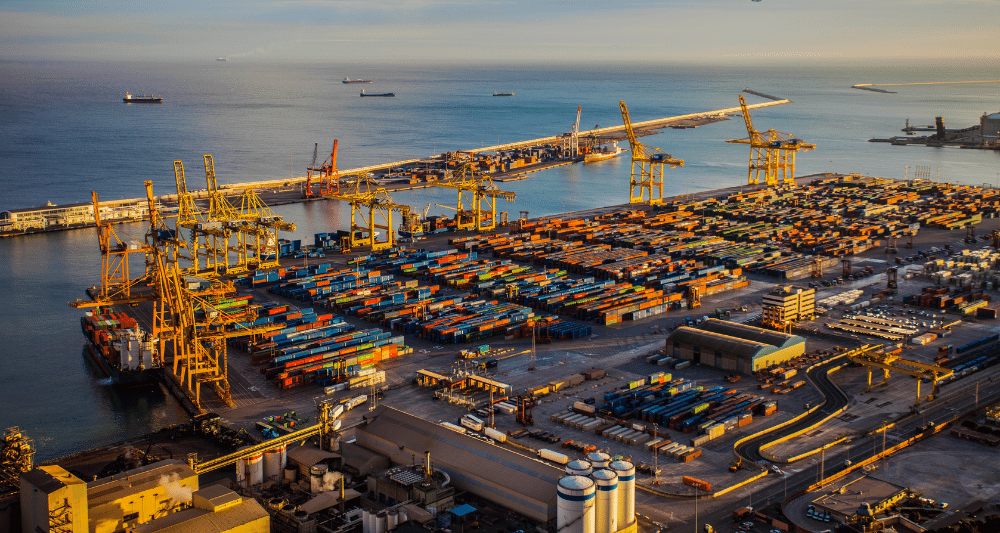
Reefer containers are high-demand assets used for both perishable and sensitive cargo. While toys may not seem temperature-dependent, many products—such as electronics, plastic-based toys, and collectible items—require stable ambient environments to prevent deformation, moisture damage, or discoloration.
Key Factors Influencing Reefer Availability:
- Global reefer container shortages
- Peak shipping season demand
- Port congestion at Antwerp and Zeebrugge
- Limited reefer plug-in points at terminals
- Carrier fleet allocation priorities
Long-tail keywords: reefer container shortage China, Belgium reefer logistics, toy import container availability, reefer booking trends, FCL reefer allocation strategy.
2. Why is Reefer FCL space availability for toys from China to Belgium essential for importers?
Toys must arrive in pristine condition to meet strict EU safety and quality standards. Additionally, consistent reefer space ensures timely stock replenishment for retailers before holidays and seasonal sales. Therefore, securing container space early not only reduces costs but also stabilizes your supply chain performance.
Semantic keywords: EU toy import standards, logistics planning, supply chain reliability, cold-chain efficiency, container scheduling accuracy.
3. What shipping methods can be compared for toy exports from China to Belgium?
Toy importers often assess different shipping methods based on cost, transit time, and temperature control. Reefer FCL remains the top choice for sensitive shipments, but alternatives exist depending on volume and urgency.
Shipping Method Comparison
| Shipping Method | Cost Level | Transit Time | Pros | Cons |
|---|---|---|---|---|
| Reefer FCL | Medium–High | 25–38 days | Stable temperature; secure | Limited availability; higher cost |
| Standard FCL | Medium | 25–35 days | Affordable for general toys | No temperature control |
| LCL (Less than Container Load) | Medium | 30–45 days | Flexible for small orders | Slower; more handling |
| Air Freight | Very High | 3–7 days | Fastest delivery | Too costly for bulk shipments |
| Rail Freight | Medium | 18–25 days | Fast, eco-friendly | Limited reefer capacity |
Long-tail keywords: FCL vs LCL for toys, China–Belgium shipping comparison, reefer container efficiency, temperature-controlled freight options.
4. How long does it take to ship Reefer FCL toys from China to Belgium?
Transit time varies by port of origin, carrier schedule, and route selection. Moreover, reefer containers often face limited routing options due to special handling needs.
Typical Transit Times
| China Port | Belgium Port | Transit Time | Notes |
|---|---|---|---|
| Shanghai | Antwerp | 28–35 days | Most stable and frequent route |
| Ningbo | Zeebrugge | 30–38 days | Seasonal congestion risk |
| Shenzhen | Antwerp | 26–32 days | Fast via South China route |
| Qingdao | Zeebrugge | 31–40 days | Longer transit; weather impacts |
Semantic keywords: shipping duration China to Belgium, Europe transit schedules, ocean freight routes, container delivery forecasting.
5. What documents are required to ensure smooth reefer booking and customs clearance?
Documentation accuracy is the foundation of successful logistics. Missing or incorrect data may cause delays, resulting in lost reefer space or detention costs.
Essential Customs and Shipping Documents
| Document | Purpose | Frequent Issues |
|---|---|---|
| Bill of Lading | Shipping confirmation | Wrong consignee details |
| Commercial Invoice | Declares value | HS code mismatched for toy category |
| Packing List | Shipment breakdown | Incorrect quantity or dimensions |
| Certificate of Origin | Confirms manufacturing country | Not verified properly |
| EU Toy Safety Certificate | Compliance requirement | Missing CE mark evidence |
| Importer Security Filing (ISF) | Mandatory for sea freight | Late submission |
| Temperature Requirement Form | Reefer setting details | Unspecified or inaccurate temperature range |
Long-tail keywords: EU customs documentation toys, CE certification import, reefer clearance Belgium, toy safety compliance China exports.
What are you waiting for?
Contact chinatopfreight for a fast, free quote.
Are you ready to book?
Access live instant freight quotes
6. How can importers secure Reefer FCL space availability for toys from China to Belgium effectively?
Reefer container capacity is limited, so strategic booking and coordination with logistics partners are key. Moreover, importers must plan ahead of high-demand periods like Q2–Q4 when European retailers stock up for Christmas.
Effective Booking Strategies
- Book reefer containers 4–6 weeks in advance
- Collaborate with freight forwarders holding space guarantees
- Choose carriers with strong reefer fleets
- Use digital booking systems for real-time availability
- Avoid public holidays and manufacturing peaks in China
Semantic keywords: early reefer booking strategy, capacity reservation, supply chain automation, cold-chain coordination.
7. Why do toys sometimes require reefer containers despite being non-perishable?
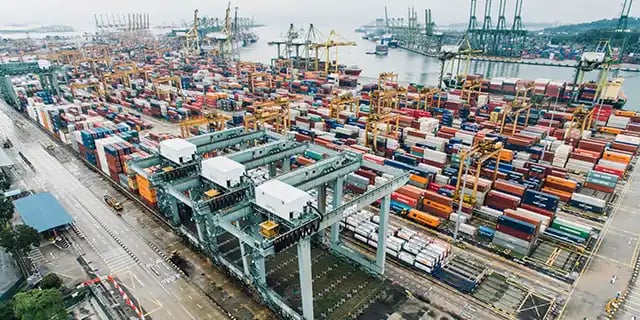
Plastic and electronic toys are sensitive to extreme heat or humidity, which can deform packaging or affect quality assurance. Additionally, European buyers demand consistency in condition for retail display. Therefore, reefer shipping helps maintain controlled temperature and humidity throughout the journey.
Long-tail keywords: temperature-controlled toy shipping, humidity protection for plastic toys, packaging preservation, reefer benefits for non-food cargo.
8. How do supply chain forecasting and inventory planning improve reefer space management?
Forecasting helps predict demand cycles and ensure steady booking volumes. Moreover, accurate inventory planning prevents emergency shipments, which usually cost more and rely on limited available space.
Supply Chain Optimization Tips
- Use data analytics to forecast seasonal demand
- Coordinate supplier production schedules
- Maintain backup contracts with multiple carriers
- Build inventory buffers in Belgian warehouses
- Align manufacturing with European retail seasons
Semantic keywords: logistics forecasting tools, demand planning, procurement synchronization, predictive supply chain strategy.
9. What costs influence Reefer FCL shipments for toys?
Freight costs depend on multiple variables, including energy surcharges, equipment scarcity, and seasonal rates. Importers must monitor these cost factors regularly to maintain budget control.
Reefer Cost Breakdown
| Cost Component | Description | Impact Level |
|---|---|---|
| Base Ocean Freight | Standard shipping rate | High |
| Genset Rental | Reefer unit power supply during trucking | Medium |
| Plug-in Fees | Terminal electricity cost | Medium |
| Peak Season Surcharge | Carrier fee during high demand | High |
| Documentation Fees | Administration and filing | Low |
| Insurance | Optional but recommended | Medium |
Long-tail keywords: reefer freight cost analysis, genset fees Belgium, peak season surcharges, energy-adjusted shipping rates.
10. How do European ports like Antwerp and Zeebrugge handle reefer containers?
Belgium’s ports are equipped with modern reefer infrastructure, but high utilization rates can still cause bottlenecks during busy months.
Belgian Port Comparison
| Port | Reefer Capacity | Average Dwell Time | Strengths |
|---|---|---|---|
| Antwerp | Very High | 2–5 days | Main gateway to Europe; efficient customs |
| Zeebrugge | High | 3–6 days | Excellent automotive and retail cargo focus |
| Ghent | Moderate | 4–7 days | Regional distribution, smaller reefer capacity |
Semantic keywords: Belgian port performance, reefer terminal facilities, EU logistics gateway, Antwerp cold-chain operations.
Conclusion
Efficient Reefer FCL space availability for toys from China to Belgium depends on early booking, accurate documentation, and collaboration with experienced forwarders. Moreover, understanding port capabilities, forecasting demand, and managing temperature-sensitive cargo requirements help importers maintain quality and minimize costs. By integrating digital tracking tools and optimizing supply chain planning, companies can confidently deliver toy shipments to Europe on time, every time—ensuring operational stability and strong customer satisfaction.
FAQ
1. How far in advance should I book Reefer FCL space for toys?
Ideally, book at least four to six weeks ahead to guarantee container space, especially during peak shipping seasons between May and December.
2. Are reefer containers necessary for plastic or electronic toys?
Yes. They protect against temperature fluctuations, humidity, and static buildup that can damage plastic molds and electronic components during long sea transport.
3. What is the average transit time from China to Belgium?
The average sailing time ranges between 26 and 38 days, depending on port pair, vessel routing, and potential transshipment points.
4. How can I avoid detention or demurrage for reefer shipments?
Prepare documents early, pre-clear customs, coordinate warehouse unloading, and ensure immediate pickup to avoid daily container charges.
5. Do Belgian ports handle reefer cargo efficiently?
Yes. Ports like Antwerp and Zeebrugge are equipped with advanced cold-chain terminals and dedicated reefer plug-in zones for reliable operations.