

- By kelly
- December 1, 2025
- Tips or Guide
Reefer FCL Tracking for Textiles from China to Texas
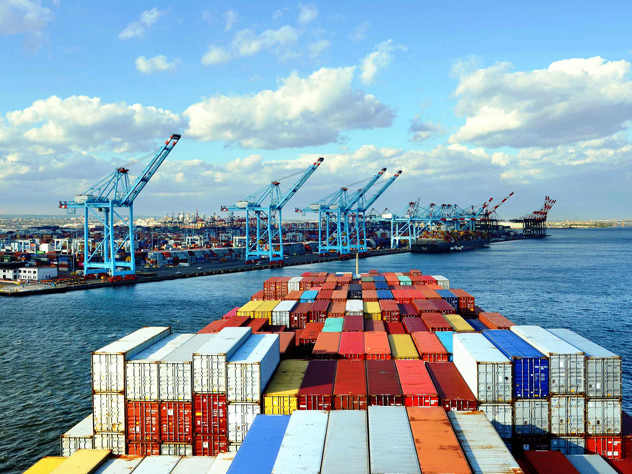
Textile importers face serious challenges when shipping sensitive fabrics over long distances. Whether it’s temperature-sensitive dyed cotton, specialty yarn, or high-end garments, managing Reefer FCL tracking for textiles from China to Texas ensures these goods arrive intact and on time. With rising customer expectations, seamless tracking systems and container visibility have become essential for supply chain efficiency.
In this article, we’ll explore how to book, track, and manage Reefer FCL shipments, reduce cargo risks, and meet your delivery schedules with confidence.
1. What Is Reefer FCL Shipping and Why Is It Used for Textiles?
Reefer containers (refrigerated units) are not just for perishables. They’re increasingly used in textile shipping to:
- Prevent mold growth in humid conditions
- Maintain controlled temperatures for sensitive fibers
- Avoid condensation that damages packaging or dye quality
FCL (Full Container Load) ensures exclusive use of the container, avoiding cross-contamination or damage from mixed cargo.
2. Why Is Tracking Crucial for Reefer FCL Textile Shipments?
Textile cargo is vulnerable to:
- Moisture damage
- Unexpected delays
- Temperature fluctuations during transit
Reefer FCL tracking systems offer:
- Real-time GPS container location
- Temperature and humidity alerts
- ETA updates
- Geofencing at ports or transfer zones
- All these features provide transparency and allow for immediate intervention in case of anomalies.
3. What Are the Transit Times from China to Texas for Reefer FCL?
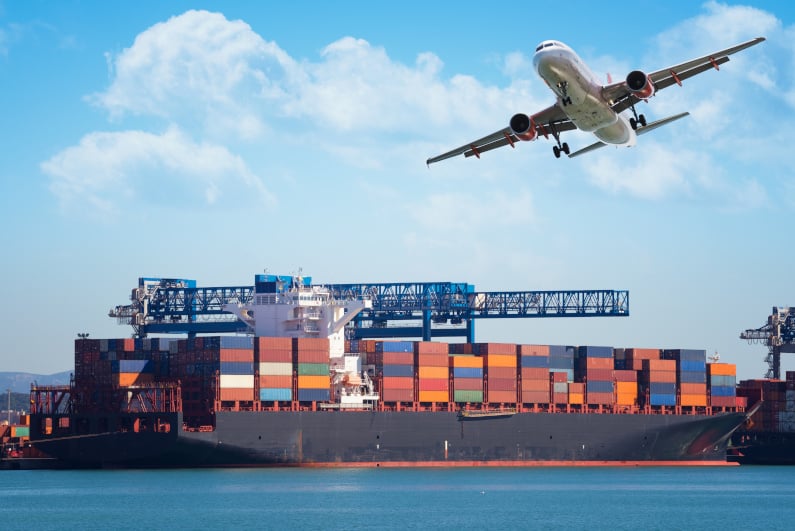
Transit times depend on the port pair and route chosen. Most shipments go through U.S. West or Gulf Coast ports.
Table: China to Texas Transit Time Estimates
| Origin Port (China) | Texas Port (USA) | Transit Time (Days) | Route Notes |
|---|---|---|---|
| Shanghai | Houston | 30–36 | Efficient Gulf Coast route |
| Shenzhen/Yantian | Houston | 32–38 | Slightly longer, cost-effective |
| Ningbo | Houston | 31–37 | Balanced between cost/speed |
| Qingdao | Houston | 34–40 | More transshipment risk |
During peak seasons, delays can extend these estimates, making tracking even more valuable.
4. How Does Reefer FCL Tracking Work in Practice?
Most modern reefer containers are equipped with IoT devices. Here’s how it typically works:
- Before departure: Tracking unit is activated and synced with logistics dashboard
- During transit: GPS, temperature, and humidity data are transmitted in real time
- At transshipment ports: Notifications sent for delay or route changes
- Arrival: Proof of temperature compliance is available for customs or quality checks
5. What Are the Key Customs Documents for Textile Imports into Texas?
To avoid clearance delays, make sure all paperwork is in order:
Table: Customs Documents Checklist for Textile Shipments
| Document | Purpose | Notes |
|---|---|---|
| Commercial Invoice | Declares value and HS codes | Must match textile classification |
| Packing List | Itemized carton details | Essential for physical checks |
| Bill of Lading | Transport contract and receipt | Ocean B/L or Seaway B/L |
| Certificate of Origin | Shows manufacturing country | Needed for tariff classification |
| Textile Declaration (CBP) | Compliance with U.S. textile laws | Required for all apparel and fabrics |
| Fumigation Certificate | If wooden packaging is used | May apply to reels or crates |
| Temperature Log (Reefer Data) | Shows controlled conditions during shipping | Validates claim in case of damage dispute |
6. What Are the Shipping Costs for Reefer FCL to Texas?
Reefer containers are more expensive than dry containers due to energy and tracking systems. However, the cost is justified by reduced spoilage and insurance risks.
Estimated 40ft Reefer FCL Costs:
- Shanghai to Houston: $6,500–$8,000
- Ningbo to Houston: $6,300–$7,800
- Shenzhen to Houston: $6,200–$7,500
Additional charges include:
- Genset rental (for inland moves)
- Pre-trip inspection (PTI)
- Lashing or insulation materials
- Real-time tracking system fees
Booking early and consolidating cargo helps lower per-unit cost.
7. How Does Reefer FCL Compare to Other Shipping Methods?
Table: Shipping Mode Comparison
| Method | Transit Time | Cost | Best For | Drawbacks |
|---|---|---|---|---|
| Reefer FCL (Sea) | 30–40 days | Medium-High | Moisture-sensitive textiles | Slower than air, higher cost than dry |
| Air Freight | 3–7 days | High | Urgent, high-value samples | Very expensive for bulk |
| Rail + Truck (via LA) | 22–28 days | Medium | Semi-urgent apparel shipments | Complex transloading |
| Dry FCL (Sea) | 30–40 days | Low | Regular cotton/textiles | No moisture control |
8. What Challenges Can Tracking Help Solve?
Without tracking, you risk:
- Delivery uncertainties
- Inability to validate temperature claims
- Difficulty in customs inspection if quality is questioned
- Delayed communication with carriers
With tracking, however, you can:
- Proactively manage risk
- Access historical transit data
- Provide transparency to stakeholders
- Ensure compliance with import/export standards
9. What Should You Look for in a Freight Forwarder for Reefer FCL?
To ensure smooth delivery from China to Texas, partner with a freight forwarder that offers:
- Integrated GPS/temperature tracking solutions
- Reefer container availability from multiple carriers
- Knowledge of U.S. textile import laws
- Expertise in Houston and other Texas ports
- Real-time reporting and dedicated customer service
ChinaTopFreight provides all of the above with industry-specific experience handling textile shipments globally.
10. Can You Monitor Reefer FCL Shipments from Factory to Destination?
Yes. End-to-end visibility is now achievable through:
- Factory pickup monitoring
- Port tracking (China and U.S.)
- Onboard reefer sensor alerts
- Arrival notifications at Houston or Dallas warehouse
Many providers offer mobile-accessible dashboards or automated email/SMS updates throughout the route.
📦Get a Free Quote
To maintain the quality of your textile cargo, efficient Reefer FCL tracking for textiles from China to Texas is no longer optional—it’s a requirement. Our experienced team at ChinaTopFreight ensures full visibility, from factory to final destination, with cutting-edge reefer tracking and moisture-control logistics.
❓ Frequently Asked Questions
1. Can I track my reefer container in real-time during transit?
Yes, most carriers offer real-time tracking, showing location, temperature, and ETA directly via a web portal or app.
2. What happens if the reefer temperature exceeds the limit?
You’ll receive an alert from the system. Your freight forwarder can coordinate with the shipping line to inspect or adjust settings.
3. Are reefer tracking devices included in the freight rate?
Sometimes. However, advanced tracking systems may require a separate rental or activation fee.
4. What types of textiles need reefer shipping?
Moisture-sensitive fabrics like rayon, silk, or garments with organic dye benefit from controlled-temperature transport.
5. Which port in Texas is best for reefer imports?
Houston is the most preferred due to advanced reefer plug-in infrastructure and proximity to key textile distributors.
Conclusion
Implementing Reefer FCL tracking for textiles from China to Texas is essential to protect product quality and meet delivery timelines. With real-time visibility, you gain greater control over your supply chain, avoid delays, and enhance client satisfaction. By choosing an experienced partner like ChinaTopFreight, you ensure seamless reefer shipping, from booking to final delivery. Request a quote today and ship with confidence.