

- By carlie tj
- November 26, 2025
- Tips or Guide, Transport
Maintaining temperature stability during international transport is critical for sensitive automotive components. Understanding the Reefer FCL transit time for auto parts from China to Portugal helps suppliers avoid damage, reduce costs, and meet tight delivery schedules. At ChinaTopFreight, we specialize in optimizing cold-chain and climate-controlled container shipping to ensure your auto parts arrive safely and on time.
1. What Is Reefer FCL Shipping and Why Is It Important for Auto Parts?
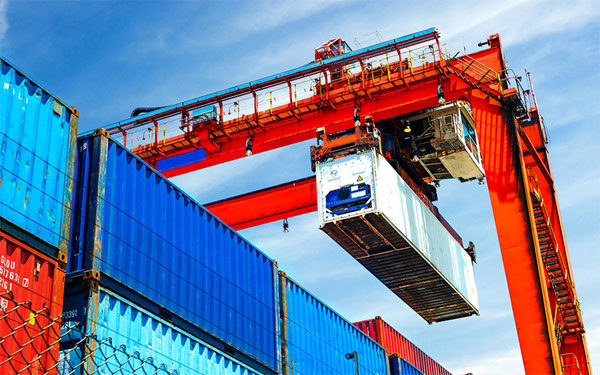
Reefer FCL (Full Container Load) shipping refers to using temperature-controlled containers designed to maintain a specific internal climate. For auto parts shipments, this method is increasingly popular for:
- Electronic sensors and lithium batteries requiring stable environments.
- Rubber and polymer components sensitive to extreme temperatures.
- High-value equipment that must avoid humidity and corrosion.
A 40-foot or 20-foot reefer container maintains an internal temperature between -25°C and +25°C, making it ideal for both delicate and industrial components.
2. What Is the Average Reefer FCL Transit Time from China to Portugal?
The average sea freight transit time for Reefer FCL shipments from China to Portugal is typically 30–38 days, depending on the port of departure and vessel route.
Table 1: Reefer FCL Transit Time Comparison by Route
| Route | Major Ports | Estimated Transit Time | Transport Type |
|---|---|---|---|
| Shanghai → Lisbon | Direct | 30–34 days | Sea Freight |
| Shenzhen → Leixões | Via Algeciras | 32–36 days | Sea + Transshipment |
| Ningbo → Lisbon | Via Valencia | 31–35 days | Sea Freight |
| Qingdao → Porto | Via Barcelona | 34–38 days | Sea Freight |
These times reflect typical shipping schedules under stable port and weather conditions. However, customs inspections, port congestion, or carrier changes may extend delivery.
3. What Factors Affect Reefer FCL Transit Time for Auto Parts?
Several operational factors influence the overall delivery time:
- Port congestion at Chinese or Portuguese terminals.
- Weather conditions, especially during typhoon seasons.
- Vessel rotation schedules and transshipment frequency.
- Customs clearance delays due to incomplete paperwork.
- Container availability for reefer shipments.
Proactive planning and choosing experienced freight partners like ChinaTopFreight minimize these disruptions.
4. How Does Reefer FCL Differ from Standard FCL Shipping?
The primary distinction lies in temperature control. A reefer container continuously monitors and regulates internal conditions, unlike a dry FCL container used for general cargo.
Table 2: Reefer vs. Standard FCL Shipping
| Feature | Reefer FCL | Standard FCL |
|---|---|---|
| Temperature Control | Active | None |
| Ideal Cargo | Sensitive auto parts, batteries | Regular machinery, metals |
| Transit Time | 30–38 days | 28–35 days |
| Cost per Container | Higher | Lower |
| Monitoring System | Digital, GPS-linked | Not included |
This control ensures that temperature-sensitive automotive components maintain optimal performance after arrival.
5. How to Prepare Auto Parts for Reefer FCL Shipping?
Proper preparation ensures safety and compliance during transit. Follow these steps:
- Check temperature requirements: Define optimal climate for electronic or rubber-based parts.
- Use insulated packaging: Add moisture-resistant wrapping for sensors and gaskets.
- Verify compliance: Match packaging to IMO and EU import regulations.
- Label all cartons: Clearly mark “Temperature Controlled” for handling priority.
- Test calibration: Ensure reefer temperature monitoring aligns with cargo needs.
Such preparation guarantees efficient handling at both origin and destination ports.
6. How Does Customs Clearance Work for Reefer Auto Parts Shipments?
Customs documentation accuracy significantly affects transit time. Missing forms can delay reefer container release and increase demurrage costs.
Key documents required:
- Commercial Invoice
- Packing List
- Bill of Lading
- Certificate of Origin
- Import Declaration
- Technical Specification Sheets (for regulated parts)
Tip: Portugal follows EU import standards, meaning product compliance and safety labeling are crucial. Exporters should align with European CE or ISO standards before shipment.
7. How to Optimize Reefer FCL Transit Time During Peak Seasons?
To avoid extended delays during peak shipping periods (Q2–Q4), consider these strategies:
- Book reefer containers 3–4 weeks in advance.
- Avoid holiday peaks like Chinese New Year or Christmas.
- Use secondary ports such as Ningbo or Xiamen for faster loading.
- Consolidate multiple orders into one FCL shipment to save time and cost.
- Choose direct sea routes when feasible.
Efficient coordination shortens delivery time while maintaining cold-chain stability.
8. What Are the Cost Considerations for Reefer FCL Shipping?
Reefer FCL shipping costs are generally 20–30% higher than standard containers due to energy consumption, special handling, and maintenance.
Average Reefer FCL Cost Components:
- Freight rate per container (USD 3,500–5,000)
- Port handling fees
- Temperature control surcharge
- Customs and import tax
Despite the higher cost, it prevents losses from damaged or spoiled components—especially for temperature-sensitive auto parts like lubricants, adhesives, and sensors.
9. What Are the Benefits of Reefer FCL for Auto Parts Exporters?
Using Reefer FCL shipping offers multiple operational and financial advantages:
- Controlled environment: Prevents damage due to temperature fluctuations.
- Extended cargo lifespan: Ideal for sensitive materials.
- Reliable scheduling: Reduced delays caused by external weather impacts.
- Real-time monitoring: Ensures transparency throughout transit.
- Lower insurance risk: Reduced claims for temperature-related damage.
These benefits enhance customer satisfaction and strengthen supply chain resilience.
10.Conclusion
Managing the Reefer FCL transit time for auto parts from China to Portugal requires precision, planning, and professional coordination. Factors such as customs clearance, container booking, and temperature control directly influence delivery speed and reliability.
With ChinaTopFreight, you gain access to industry-leading reefer logistics expertise—ensuring your auto parts remain protected, compliant, and delivered on time. Efficient planning today guarantees your shipments reach Portugal in optimal condition, supporting consistent production and customer satisfaction across Europe.
Request a Quote
China Top Freight offers:
- ✅ Origin and Destination Countries
- ✅ Cargo Type and Volume
- ✅ Preferred Transport Method (Air, Sea, Rail, Road)
- ✅ Delivery Timeline
- ✅ Special Handling Requirements (if any)
FAQ
1. What is the average Reefer FCL transit time from China to Portugal?
It typically ranges between 30 and 38 days, depending on the origin port, carrier route, and customs clearance duration.
2. Which Chinese ports are best for reefer shipments to Portugal?
Shanghai, Ningbo, and Shenzhen provide frequent sailings and reliable cold-chain handling for reefer containers.
3. Are Reefer FCL containers suitable for all auto parts?
They are best for temperature-sensitive parts like batteries, sensors, and adhesives, rather than general metal components.
4. How can shippers reduce Reefer FCL costs?
Plan early, consolidate cargo, and choose flexible delivery schedules to optimize cost without affecting quality.
5. What temperature range do reefer containers maintain?
They can maintain between -25°C to +25°C, ensuring proper environmental control for sensitive machinery and components.