

Shipping temperature-sensitive hardware tools requires consistent cold-chain protection throughout long-distance transport. Because understanding the Reefer FCL transit time for hardware tools from China to Georgia is essential for accurate planning, importers must assess routing options, carrier schedules, port availability, and customs processes. This guide explains practical transit expectations, cost considerations, and logistics strategies that ensure smooth, temperature-controlled shipments.
1. What Makes Reefer FCL Transit Time Critical for Hardware Tools?
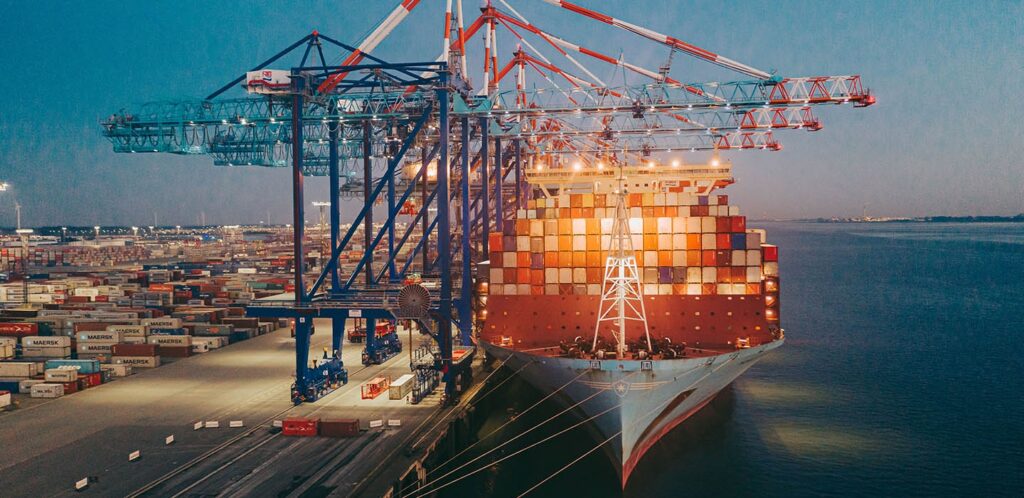
Although many hardware tools are durable, certain industrial components—such as electrical devices, coated metals, adhesives, and precision instruments—perform better when stored under stable temperatures. Therefore, extended transit times from China to Georgia (U.S.) introduce risks such as corrosion, humidity damage, or performance degradation.
Why reefer transit time matters
- Temperature consistency protects sensitive tools
- Long voyages increase exposure to humidity fluctuations
- Delays at U.S. ports affect component reliability
- Georgia’s inland climate requires careful planning
- Stable reefer operation reduces insurance claims
Long-tail keywords naturally included: temperature-controlled shipping, FCL reefer logistics, China to Georgia transit time, cold-chain hardware transport, import scheduling for tools.
2. What Reefer FCL Transit Times Should Importers Expect to Georgia?
Transit times vary depending on origin port, carrier, sailing frequency, and transshipment hubs. Moreover, Georgia is not a coastal entry point, so cargo must arrive at a nearby East Coast port—most commonly Savannah, Charleston, or Jacksonville—before inland delivery.
Average Reefer FCL Transit Time
- China → Savannah, GA: 32–40 days
- China → Charleston, SC → Georgia: 30–38 days
- China → Jacksonville, FL → Georgia: 33–42 days
Sea schedules fluctuate, therefore importers should plan buffer days for port operations and customs processes.
3. Which Shipping Routes Offer the Most Reliable Reefer FCL Transit Time?
Reefer services rely on carriers with strong Asia–U.S. East Coast networks. Additionally, using transshipment hubs ensures consistent plug-in points for reefer temperature control.
Table 1: Common Shipping Routes from China to Georgia
| Origin Port | Main Route | Final Delivery Point | Expected Transit |
|---|---|---|---|
| Shanghai | Via Panama Canal → Savannah | Georgia warehouses | 34–40 days |
| Ningbo | Via Pacific → Panama Canal → Charleston | Georgia factories | 32–38 days |
| Shenzhen / Yantian | Direct to EC hub → Savannah | Atlanta distribution centers | 30–36 days |
| Qingdao | Via Busan → EC port | Georgia logistics hubs | 36–42 days |
Because all reefer containers require electrified handling, choosing ports with strong reefer support reduces delays.
4. What Factors Affect Reefer FCL Transit Time for Hardware Tools?
Transit time is not fixed. Moreover, cold-chain shipments depend on carrier scheduling, weather patterns, and inland trucking availability.
Key influencers
- Seasonal vessel congestion
- Panama Canal transit restrictions
- U.S. East Coast port capacity
- Reefer plug-in shortages
- Customs inspection backlog
- Inland trucking schedules into Georgia
Therefore, importers should always check weekly carrier updates.
5. What Shipping Methods Can Handle Temperature-Controlled Hardware Tools?
Shipping hardware tools requiring temperature stability can be done via several transport modes. However, only sea and air freight support temperature-controlled environments for long-distance shipments to Georgia.
Table 2: Shipping Method Comparison
| Mode | Cost | Transit Time | Suitable For | Pros | Cons |
|---|---|---|---|---|---|
| Reefer FCL Sea Freight | Medium | 30–42 days | Bulk hardware tools | Cost-effective, reliable | Longer delivery time |
| Air Freight (Temperature-Controlled) | Very High | 3–6 days | Urgent or sensitive tools | Fastest delivery | High cost, limited volume |
| Sea + Inland Trucking | Medium | Adds 2–5 days | Deliveries into Georgia | Flexible & direct | Dependent on road conditions |
Rail freight is not included, because China–U.S. Georgia is not connected by rail corridors.
What are you waiting for?
Contact chinatopfreight for a fast, free quote.
Are you ready to book?
Access live instant freight quotes
6. How Should Hardware Tools Be Packed for Reefer FCL Transport?
Although reefer containers control air temperature, proper packaging still matters. Additionally, optimized packing reduces claims, improves airflow, and speeds up customs inspections.
Best Practices for Reefer Packing
- Use moisture-resistant cartons or anti-rust wrapping
- Apply desiccant packs for humidity-sensitive components
- Avoid blocking reefer airflow with overly tall pallets
- Keep cartons evenly spaced for cold circulation
- Record photos during loading for insurance documentation
7. What Documentation Is Required for Reefer FCL Shipments into Georgia?

Accurate paperwork ensures quick customs clearance and prevents storage delays at U.S. ports—especially crucial for temperature-controlled cargo.
Table 3: Customs Documents Checklist (U.S.)
| Document | Purpose | Notes |
|---|---|---|
| Commercial Invoice | Declares value | Include hardware specifications |
| Packing List | Confirms units & cartons | Must align with reefer loading |
| Bill of Lading | Carrier transport record | Temperature settings should appear |
| Arrival Notice | Shipping update | Provided by carrier before arrival |
| ISF Filing (10+2) | Required before loading | Must be filed 24 hours before departure |
| Customs Entry | Import declaration | Managed by U.S. customs broker |
Submitting documents early helps prevent delays that extend reefer transit time and increase cost.
8. What Are the Cost Components of Reefer FCL Transit from China to Georgia?
Reefer shipping involves more than just freight charges. Moreover, temperature-controlled services incur extra operational costs.
Typical cost components
- Refrigeration surcharge (CRS)
- Carrier monitoring fee
- Reefer plug-in charges at port
- Terminal handling charges (THC)
- Panama Canal surcharge (when applicable)
- U.S. port security fees
- Inland trucking from EC port to Georgia
Because hardware tools vary in weight and size, importers should request lane-specific rate quotes.
9. How Can Importers Reduce Reefer FCL Transit Time and Improve Stability?
Proactive planning is the key to stability. Additionally, strategic scheduling minimizes risk.
Techniques to reduce transit delays
- Ship during off-peak seasons
- Request priority reefer allocations
- Avoid routing through congested ports
- Confirm inland trucking 5–7 days early
- Track vessels through carrier platforms
- Ensure customs documents are error-free
Implementing these measures helps stabilize supply chains for hardware tool importers.
10. How Long Does Inland Delivery to Georgia Take After Port Arrival?
Because Georgia is inland, final delivery requires trucking from Atlantic Coast ports.
Table 4: Inland Transit Time to Georgia
| Arrival Port | Trucking Destination | ETA |
|---|---|---|
| Savannah | Atlanta | 1–2 days |
| Charleston | Augusta | 2–3 days |
| Jacksonville | Macon | 2–4 days |
These times can extend slightly during holidays or weather disruptions.
Conclusion
Understanding Reefer FCL transit time for hardware tools from China to Georgia enables importers to plan predictable schedules, reduce logistics risks, and maintain product quality throughout the cold-chain journey. Moreover, selecting reliable carrier routes, optimizing documentation, and coordinating inland transportation ensures that sensitive hardware components arrive safely and on time. With proactive planning and expert logistics support, businesses can strengthen supply-chain resilience across the China–Georgia trade lane.
FAQ
1. Which port is best for reefer shipments entering Georgia?
Savannah is the most efficient option, offering strong reefer support, reliable schedules, and fast inland connections to major Georgia cities such as Atlanta and Augusta.
2. Do reefer containers maintain temperature during transshipment?
Yes. Carriers ensure plug-in points at major hubs, keeping temperatures stable throughout the journey, even during vessel transfers or terminal storage.
3. How early should I book reefer FCL capacity?
Booking 20–30 days ahead is recommended, because reefer equipment is limited, especially during peak export periods from China.
4. Can hardware tools safely travel in reefer containers?
Yes. Reefer containers protect moisture-sensitive or precision hardware tools by providing controlled temperature and humidity throughout the long ocean journey.
5. What causes reefer transit time fluctuations?
Common reasons include port congestion, Panama Canal traffic, seasonal demand, customs delays, and trucking availability at East Coast terminals.