

Reefer FCL Transit Time for Hardware Tools from China to Illinois
“Navigating the complexities of international shipping for specialized cargo demands precise planning and execution. For businesses importing hardware tools with specific environmental controls, understanding the Reefer FCL transit time for hardware tools from China to Illinois is absolutely crucial. This comprehensive guide will illuminate the factors influencing these shipments, ensuring your valuable goods arrive safely and on schedule.”
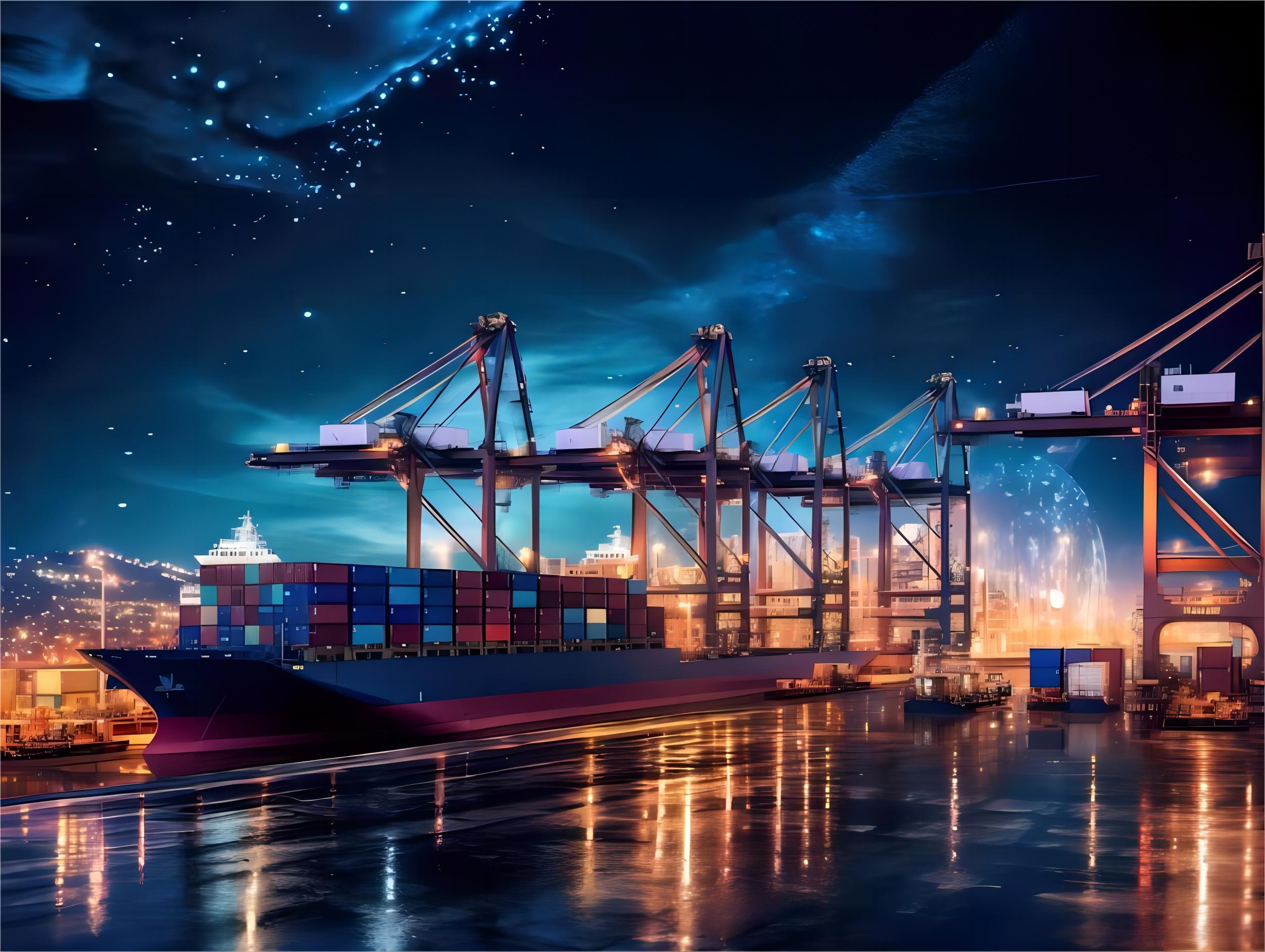
Understanding Reefer FCL Shipping for Specialized Hardware Tools
❖Reefer FCL, or refrigerated Full Container Load, refers to shipping an entire container that is temperature-controlled. While most standard hardware tools do not necessitate refrigeration, certain specialized items might. For example, precision instruments, tools with sensitive electronic components, or those requiring specific humidity levels benefit from reefer conditions.
Consequently, if your hardware tools fall into this niche category, understanding reefer logistics is paramount. These specialized containers maintain a consistent internal environment throughout the journey. This capability protects sensitive cargo from extreme temperature fluctuations and humidity, which can otherwise cause damage or degradation.

Moreover, opting for FCL means your cargo occupies the entire container, ensuring dedicated space and reduced handling. This method minimizes the risk of damage or contamination, which is particularly vital for delicate or high-value hardware tools. Therefore, dedicated reefer containers offer a robust solution for specific import needs.

What Factors Influence Reefer FCL Transit Time from China to Illinois?
❖Several critical elements collectively determine the total sea freight transit time for your reefer FCL hardware tools from China to Illinois. These factors range from geographical considerations to logistical choices and regulatory requirements. Understanding them is key to accurate planning and managing expectations effectively.
Indeed, the journey is not merely port-to-port; it encompasses various stages, each with its own timeline. Consequently, a holistic view of the entire supply chain is essential. This includes pre-shipment preparations, ocean transit, customs procedures, and final inland delivery to your Illinois destination.
Port of Origin and Destination
The specific port of loading in China significantly impacts transit duration. Major ports like Shanghai, Ningbo, Shenzhen, and Qingdao offer more frequent sailings and direct routes. Conversely, shipments from smaller ports might require transshipment, adding several days to the overall journey.
Similarly, the port of discharge in the US, typically Los Angeles/Long Beach or Seattle/Tacoma for West Coast entry, or New York/New Jersey, Savannah, or Houston for East Coast entry, affects inland transit. From the West Coast, cargo travels across the country via rail or truck to Illinois. East Coast ports might offer slightly longer ocean transit but potentially shorter inland delivery times, depending on the final destination within Illinois.
Carrier Selection and Route Optimization
Choosing the right shipping carrier and service route is another pivotal factor. Direct services, though sometimes pricier, offer faster transit times by avoiding intermediate stops. In contrast, services involving transshipment can extend transit by 5-10 days, depending on the transshipment port and connection schedules.
Moreover, the carrier’s network and vessel speed play a role. Some carriers specialize in faster express services, albeit at a premium. Therefore, balancing speed with cost-effectiveness requires careful consideration of available options for your door-to-door delivery.
Customs Clearance and Documentation
Efficient customs clearance in both China and the US is fundamental for smooth transit. Delays can easily occur due to incomplete documentation, incorrect declarations, or unforeseen inspections. Consequently, working with an experienced customs brokerage service is highly recommended.
Additionally, specific regulations for importing hardware tools, including HS codes and any required certifications, must be meticulously followed. Any discrepancies can lead to significant hold-ups at the port of entry. Proper preparation ensures compliance and minimizes potential delays.
Seasonal Variations and Market Dynamics
Seasonal peaks, such as Chinese New Year, Golden Week, and the pre-holiday shipping rush (Q3/Q4), invariably impact transit times and freight rates. During these periods, port congestion and vessel capacity constraints are common, leading to extended delays. Planning ahead for these times is essential.
Furthermore, global logistics trends, such as port labor issues or unexpected disruptions (e.g., Suez Canal blockages, Red Sea reroutes), can also affect shipping schedules. Market data suggests that rates typically increase 15-25% during August-October peak season. Staying informed about these dynamics allows for proactive adjustments to your supply chain strategy.
Typical Reefer FCL Transit Times to Illinois
❖The overall transit time for reefer FCL hardware tools from major Chinese ports to Illinois generally ranges. This includes ocean transit, port processing, and inland transportation to various destinations within the state. West Coast ports offer faster ocean legs but longer rail/trucking.
Conversely, East Coast ports might involve longer ocean transit but shorter inland hauls to some parts of Illinois. Hence, the optimal route often depends on your specific delivery location and urgency. Typical rates as of early 2025 reflect these variations, with East Coast routes often costing more.
| Route (Port of Loading – Port of Discharge) | Ocean Transit Time (Days) | Total Door-to-Door (Days) | Key Considerations |
|---|---|---|---|
| Shanghai (CN) – Los Angeles/Long Beach (US) | 14-18 | 25-35 | Faster ocean, longer rail to IL |
| Ningbo (CN) – Seattle/Tacoma (US) | 16-20 | 28-38 | Good for northern IL, rail connection |
| Shenzhen (CN) – New York/New Jersey (US) | 30-35 | 38-45 | Longer ocean, direct rail/truck to IL |
| Qingdao (CN) – Savannah (US) | 32-38 | 40-50 | Economical for central/southern IL |

How Does Reefer FCL Compare to Other Shipping Options for Hardware?
❖Choosing the most suitable shipping method for your hardware tools involves weighing various factors: cost, speed, cargo type, and sensitivity. While reefer FCL is specialized for temperature-sensitive goods, other methods might be more appropriate for standard hardware. This section provides an objective analysis.
Indeed, understanding these alternatives helps in making informed decisions for your supply chain. For example, for shipments under 15 CBM, LCL (Less than Container Load) at $50-80/CBM may be more economical than a full container. However, LCL typically involves more handling and potentially longer transit times.
| Shipping Method | Cost Range (per container/kg) | Transit Time (China to Illinois) | Best Use |
|---|---|---|---|
| Reefer FCL (20GP/40HQ) | $4,500-$8,000+ | 25-50 days | Temperature-sensitive, high-volume hardware |
| Dry FCL (20GP/40HQ) | $2,500-$6,000 | 25-50 days | Standard, high-volume, non-sensitive hardware |
| LCL (Less than Container Load) | $50-$80/CBM | 30-55 days | Smaller volumes (under 15 CBM), cost-effective |
| Air Freight (General Cargo) | $4-$8/kg | 5-10 days | Urgent, high-value, light-weight hardware |
| Rail Freight (China-Europe) | Not direct to US | N/A | Not viable for China-US directly, but good for China-Europe land routes |
Optimizing Your Supply Chain: Strategies for Efficiency
❖Effective supply chain management is crucial for minimizing costs and improving the Amazon FBA delivery schedule for your hardware tools. Implementing strategic approaches can significantly enhance efficiency and reduce potential transit time delays. Consider these proven methods.
Moreover, proactive planning and leveraging expert resources can transform potential bottlenecks into smooth operations. This foresight is especially vital when dealing with specialized cargo like reefer FCL shipments.
Consolidating Shipments and FCL vs LCL
For businesses with multiple suppliers in China, consolidating various orders into a single FCL shipment can be highly cost-effective. This strategy optimizes container utilization and reduces per-unit shipping costs. Furthermore, it simplifies customs procedures by having one declaration for all goods within the container.
However, if your order volume is insufficient for a full container, LCL remains a viable option. While LCL typically involves more handling and longer transit, it prevents you from paying for unused container space. The decision between FCL and LCL hinges on your shipment’s volume, urgency, and budget constraints.
Leveraging Technology and Freight Forwarders
Utilizing advanced logistics technology, such as real-time tracking and supply chain visibility platforms, provides invaluable insights into your shipment’s progress. This enables proactive problem-solving and better inventory management. Indeed, modern tools help predict and mitigate potential delays.
Furthermore, partnering with a reputable freight forwarder like China Top Freight is indispensable. They possess the expertise and network to navigate complex international regulations, optimize routes, and manage all aspects of your reefer FCL shipment. Their knowledge of logistics trends and freight rates can save you both time and money.
Real-World Scenarios: Reefer FCL for Hardware Tools
❖Examining actual case studies provides practical insights into the dynamics of shipping reefer FCL hardware tools from China to Illinois. These examples illustrate the typical costs, transit times, and challenges involved. Based on Q3 2024 market rates, these scenarios offer a realistic perspective.
These examples highlight various factors, including cargo type, origin, destination, and shipping methods. Furthermore, they emphasize the importance of meticulous planning and choosing the right logistics partner to ensure successful delivery of delicate or temperature-sensitive hardware.
Case Study 1: Urgent Precision Tools to Chicago
A client needed to import a batch of high-precision measurement tools with sensitive electronic components, requiring strict temperature control. Speed was a priority due to a tight production schedule. This scenario necessitated careful selection of carrier and route.
The total landed cost included ocean freight, origin/destination charges, and estimated customs duties. The key insight was that despite higher reefer costs, direct service minimized transit risk for delicate cargo.
| Detail | Value |
|---|---|
| Route | Shanghai, China -> Chicago, IL (via Los Angeles) |
| Cargo | Precision Measurement Tools, 25 CBM, 8,000 kg |
| Container | 1 x 20GP Reefer |
| Carrier/Service | COSCO (Direct Service) |
| Port of Loading | Shanghai |
| Port of Discharge | Los Angeles |
| Route Type | Direct Ocean, Rail to Chicago |
| Ocean Freight | $4,800 |
| Origin Charges | $450 |
| Destination Charges | $600 |
| Customs & Duties (estimated) | $700 |
| Total Landed Cost | $6,550 |
| Booking to Loading | 5 days |
| Sea Transit | 16 days |
| Inland Rail/Truck | 8 days |
| Customs Clearance | 2 days |
| Total Door-to-Door | 31 days |
| Key Insight | Premium for speed and temperature control, efficient rail link |
Case Study 2: Bulk Power Tools to Peoria
Another client imported a large volume of heavy-duty power tools, some with specialized coatings requiring humidity control, for a new distribution center in Peoria. The focus was on cost-efficiency for a substantial shipment. This required balancing transit time with budget.
The shipment utilized a 40HQ reefer, offering optimal capacity. The key insight highlighted the benefits of a larger container for bulk cargo, even with the specialized reefer requirements.
| Detail | Value |
|---|---|
| Route | Ningbo, China -> Peoria, IL (via Savannah) |
| Cargo | Heavy-Duty Power Tools, 60 CBM, 15,000 kg |
| Container | 1 x 40HQ Reefer |
| Carrier/Service | MSC (Transshipment Service) |
| Port of Loading | Ningbo |
| Port of Discharge | Savannah |
| Route Type | Transshipment via Singapore, Truck to Peoria |
| Ocean Freight | $6,200 |
| Origin Charges | $550 |
| Destination Charges | $750 |
| Customs & Duties (estimated) | $900 |
| Total Landed Cost | $8,400 |
| Booking to Loading | 7 days |
| Sea Transit | 38 days |
| Inland Truck | 3 days |
| Customs Clearance | 3 days |
| Total Door-to-Door | 51 days |
| Key Insight | Cost-effective for bulk, longer transit with transshipment |
Case Study 3: Seasonal Garden Tools to Springfield
A retailer imported seasonal garden tools with sensitive plastic components and specific paint finishes, requiring protection from extreme heat/cold during transit. The shipment was planned during a peak season, adding another layer of complexity. This scenario required careful timing and carrier selection.
The total cost reflected Q4 peak season rates, which were approximately 20% higher than off-peak. The key insight underscored the importance of early booking and flexible scheduling during busy periods to manage both costs and transit times effectively.
| Detail | Value |
|---|---|
| Route | Qingdao, China -> Springfield, IL (via New York/NJ) |
| Cargo | Seasonal Garden Tools, 50 CBM, 12,000 kg |
| Container | 1 x 40GP Reefer |
| Carrier/Service | Maersk (Direct Service) |
| Port of Loading | Qingdao |
| Port of Discharge | New York/New Jersey |
| Route Type | Direct Ocean, Rail to Springfield |
| Ocean Freight | $7,500 (Peak Season) |
| Origin Charges | $500 |
| Destination Charges | $800 |
| Customs & Duties (estimated) | $850 |
| Total Landed Cost | $9,650 |
| Booking to Loading | 6 days |
| Sea Transit | 32 days |
| Inland Rail | 5 days |
| Customs Clearance | 2 days |
| Total Door-to-Door | 45 days |
| Key Insight | Peak season rates impact costs, direct route minimizes delays for time-sensitive goods |
Navigating Customs and Regulations for Hardware Imports
❖Successful import of hardware tools into Illinois requires meticulous attention to US customs regulations. Proper documentation and adherence to import laws are essential to avoid delays and penalties. Indeed, understanding these requirements upfront streamlines the entire process.
Moreover, specific product classifications and compliance with safety standards, such as those from OSHA or ANSI for certain tools, must be verified. A knowledgeable freight forwarder can guide you through these intricate processes, ensuring smooth entry for your goods.
Choosing the Right Logistics Partner for Your Reefer FCL Shipments
❖Selecting an experienced and reliable logistics partner is arguably the most critical decision for your reefer FCL hardware tool shipments. A proficient partner offers expertise in cold chain logistics, customs compliance, and route optimization. They ensure your cargo’s integrity from origin to destination.
Therefore, look for a partner with a proven track record in China-US routes and specialized cargo handling. Their ability to manage potential issues, provide transparent communication, and offer competitive freight rates is invaluable. China Top Freight excels in providing tailored solutions for complex shipping needs.
What to Expect: Costs and Market Trends for Reefer FCL to Illinois
❖The cost of reefer FCL transit time for hardware tools from China to Illinois is influenced by dynamic market conditions. Factors like fuel surcharges, vessel space availability, and global logistics trends all play a significant role. As of Q1 2025, freight rates from China to the US have shown some stabilization after recent disruptions.
However, seasonal demand continues to cause fluctuations. Rates typically increase 15-25% during August-October peak season, for example. Understanding these trends helps in budgeting and strategic planning. Industry average for this route suggests careful budgeting for specialized containers.
| Cost Component | Typical Range (USD) |
|---|---|
| Ocean Freight (20GP Reefer) | $4,500 – $6,500 |
| Ocean Freight (40HQ Reefer) | $5,500 – $8,000 |
| Origin Charges (THC, Docs) | $350 – $600 |
| Destination Charges (DDC, Chassis) | $500 – $900 |
| Inland Transportation (Rail/Truck to IL) | $1,000 – $2,500 |
| Customs Brokerage Fee | $150 – $300 |
| Customs Duties & Taxes (Estimated) | 5% – 15% of cargo value |
Which Option Should You Choose for Your Hardware Tool Shipments?
❖Deciding on the best shipping option for your hardware tools involves a clear assessment of your priorities. Your budget, urgency, and the specific nature of your cargo will dictate the most suitable method. Consider the following criteria to make an informed choice.
Indeed, a strategic approach ensures both cost-effectiveness and timely delivery. Evaluating these elements carefully prevents costly mistakes and optimizes your entire import process from China to Illinois.
Budget Priority
If cost is your primary concern, and your hardware tools do not require strict temperature control, standard dry FCL or LCL are generally more economical. Dry FCL offers better per-unit costs for large volumes, while LCL suits smaller shipments. Explore consolidation options to save further.
However, if temperature control is non-negotiable for your specialized hardware, the higher cost of reefer FCL is a necessary investment. It protects your sensitive goods from damage, preventing greater financial losses in the long run.
Speed Priority
For urgent shipments of hardware tools, express service or air freight is undoubtedly the fastest option, delivering within 5-10 days. This method is ideal for high-value, time-sensitive, or lighter cargo where delays are unacceptable. While significantly more expensive, it guarantees rapid delivery.
Conversely, if reefer FCL is required, prioritize direct ocean services with minimal transshipment. These routes offer the fastest sea transit times, typically ranging from 25-35 days to Illinois, reducing overall delivery schedules.
Cargo Type Considerations
The inherent characteristics of your hardware tools are paramount. If your tools, such as precision electronics, advanced composites, or specialty chemicals used in manufacturing, are sensitive to temperature or humidity, reefer FCL is the only viable choice. It safeguards product integrity.
Otherwise, for robust, non-sensitive hardware like wrenches, hammers, or standard power tools, a dry FCL container is perfectly adequate and considerably more cost-effective. Always match the shipping method to your cargo’s specific environmental needs.
Mastering Your Reefer FCL Shipments to Illinois
Successfully importing reefer FCL hardware tools from China to Illinois demands a thorough understanding of numerous variables. From port choices and carrier services to customs regulations and market fluctuations, each element impacts the overall transit time and cost. Prioritizing efficiency and reliability is key.
Indeed, by leveraging expert freight forwarding services and strategic planning, businesses can navigate these complexities with confidence. Ultimately, ensuring the safe and timely arrival of your temperature-sensitive hardware tools safeguards your investment and enhances your market competitiveness.
Ready to streamline your logistics?
Ready to optimize your Reefer FCL transit time for hardware tools from China to Illinois? Contact China Top Freight today for a personalized quote and expert logistics solutions tailored to your unique requirements. Let us help you streamline your supply chain and ensure timely delivery.
Request Quote