

Reefer FCL Transit Time for Machinery from China to Seattle
The global movement of specialized machinery often requires precise temperature control, making Reefer FCL (Full Container Load) transit time for machinery from China to Seattle a critical consideration for businesses. Navigating international logistics, especially for sensitive cargo, presents unique challenges that demand careful planning and execution. At China Top Freight, we understand the complexities involved in ensuring your valuable equipment arrives safely and efficiently. This guide will explore the various factors influencing transit times and provide strategies for optimizing your shipping process.

Understanding Reefer FCL Transit Time for Machinery
Reefer FCL shipping refers to using a full refrigerated container to transport goods, ensuring strict temperature and humidity control. This method is essential for machinery with sensitive components, such as electronics or medical devices, which can be damaged by environmental fluctuations.
Generally, the overall transit time for machinery encompasses several stages. These include pre-carriage to the port, ocean voyage, customs clearance, and final delivery to the destination. Each segment contributes to the total duration.
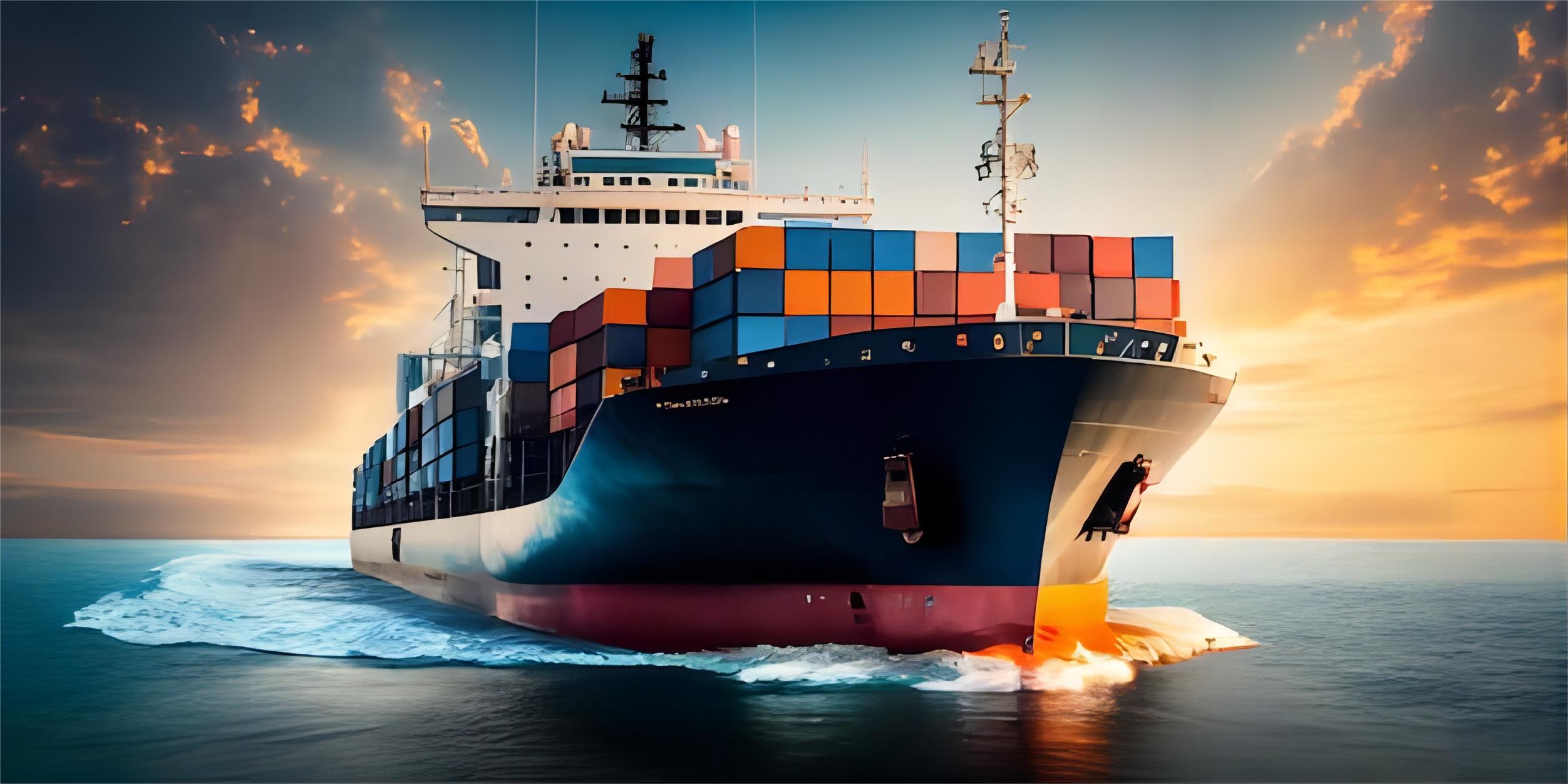
Furthermore, specialized machinery often requires specific handling and environmental conditions throughout its journey. Consequently, understanding the entire cold chain logistics process is vital for accurate transit time estimations and successful delivery.
Key Factors Influencing Reefer FCL Transit Times
Numerous variables can significantly impact the estimated transit duration for your reefer FCL machinery shipment from China to Seattle. Proactive awareness of these factors enables better planning and mitigates potential delays.
Therefore, a comprehensive understanding of the logistics landscape is crucial. This proactive approach helps in setting realistic expectations for delivery schedules and managing your supply chain effectively.
Port Congestion and Delays
Port congestion, particularly in major Chinese hubs like Shanghai, Ningbo, or Shenzhen, can cause considerable delays. Similarly, activity at the Port of Seattle can affect unloading and onward movement schedules.
Moreover, unforeseen events such as adverse weather conditions, labor disputes, or equipment breakdowns further complicate vessel schedules. Consequently, building flexibility into your shipping timeline is essential for managing these potential hold-ups.
Customs Clearance and Documentation
Accurate and complete documentation is paramount for smooth customs clearance processes in both China and the USA. Any discrepancies, however minor, can lead to significant delays and potential penalties.
Furthermore, specialized machinery often requires specific import licenses, certifications, or detailed product classifications. Therefore, working with experienced customs brokerage services can greatly expedite this complex regulatory process.
Carrier Selection and Route Optimization
The choice of shipping carrier directly impacts the reefer FCL transit time for machinery from China to Seattle. Some carriers offer faster services or more direct routes compared to others.
In addition, route optimization involves selecting the most efficient path, minimizing transshipment points. Direct routes, for instance, generally offer quicker sea freight transit, though they might be associated with higher freight rates.
Typical Reefer FCL Transit Times from China to Seattle
Generally, the port-to-port reefer FCL transit time for machinery from major Chinese ports to Seattle typically ranges from 14 to 25 days. This duration primarily accounts for the ocean voyage itself.
However, for a comprehensive door-to-door service, including pre-carriage, customs processing, and final inland delivery, the total duration can extend to 25-40 days. Seasonal variations, specific origin cities, and carrier schedules also play a significant role in these estimates.
| Origin Port (China) | Destination Port (Seattle) | Estimated Transit Time (Days) | Notes |
|---|---|---|---|
| Shanghai | Seattle | 14-18 | Direct service, major hub |
| Shenzhen (Yantian) | Seattle | 16-20 | Via West Coast, southern China |
| Ningbo | Seattle | 15-19 | Common route, East China |
| Qingdao | Seattle | 18-22 | Northern China origins |
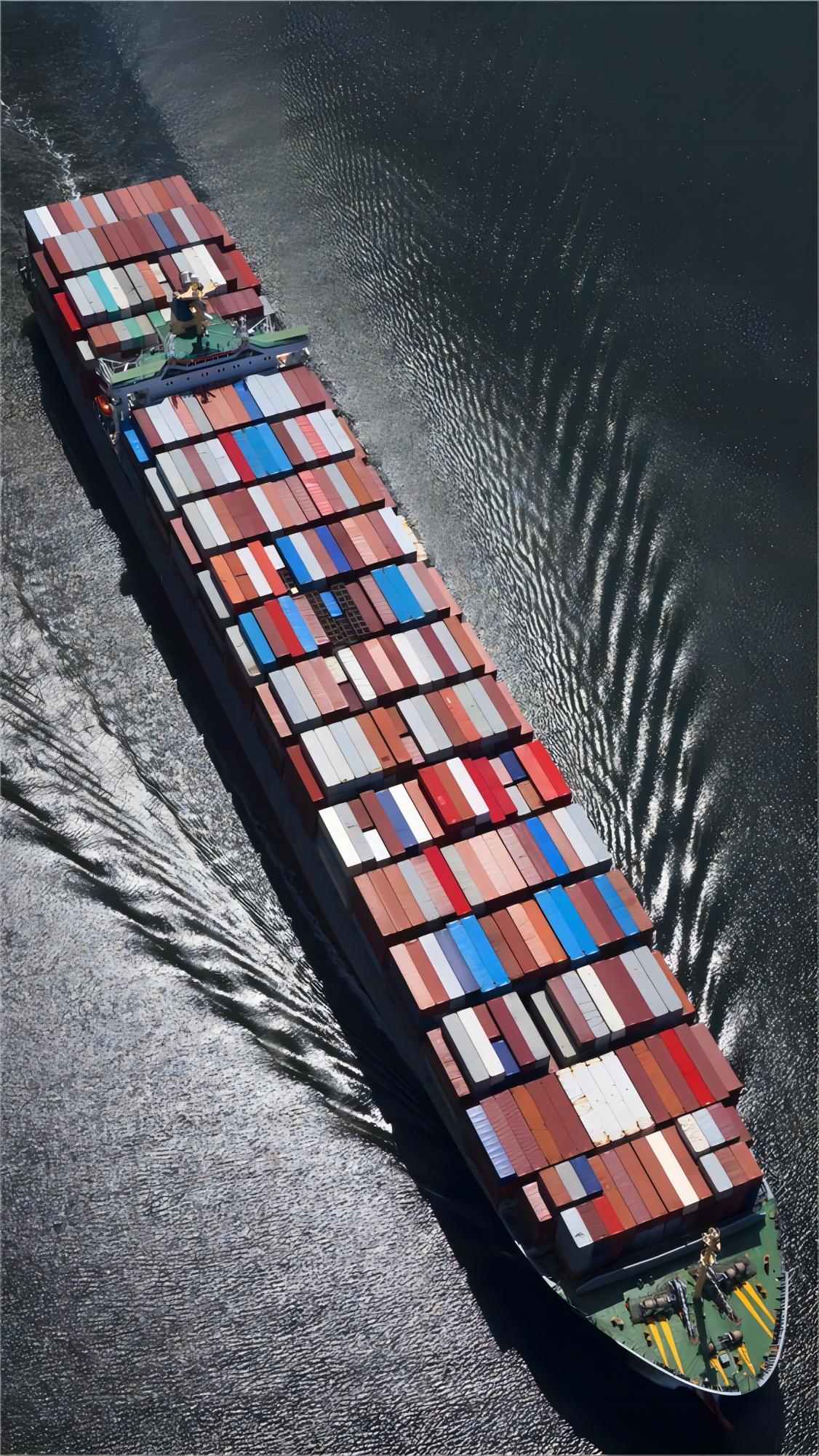
Cost Considerations for Reefer FCL Machinery Shipments
Understanding the comprehensive costs associated with reefer FCL machinery shipments from China to Seattle is vital for accurate budget planning. These expenses extend far beyond just the basic ocean freight.
Key components include origin charges (e.g., terminal handling, documentation), the ocean freight rate itself, destination charges (e.g., terminal handling, customs clearance), and applicable customs duties and taxes. Furthermore, specialized handling for machinery and reefer container surcharges significantly add to the overall expense.
Based on current market rates (as of early 2025), a 40-foot reefer container from China to Seattle might cost between $3,500 and $5,500 for ocean freight alone. This figure, however, excludes local charges, inland transport, and duties, which can collectively add thousands more.
Note: Freight rates are subject to change based on fuel costs, carrier capacity, and seasonal demand. Contact us for a current quote tailored to your specific shipment.
How Does Reefer FCL Compare to Other Shipping Options?
When shipping machinery from China to Seattle, several logistics solutions exist, each offering distinct advantages and disadvantages. Reefer FCL is often the preferred method for large, temperature-sensitive items.
However, for smaller, urgent, or extremely high-value machinery, alternative methods like temperature-controlled air freight or even reefer LCL (Less than Container Load) might be considered. Understanding these options is crucial for optimal decision-making regarding your supply chain.
For instance, while sea freight costs $3,500-$5,500 for a 40HQ reefer, air freight for the same volume would cost $15,000-$25,000 but arrives in 3-7 days instead of 14-25 days. Similarly, for shipments under 15 CBM, reefer LCL at $150-$250/CBM may be more economical than a full container.
| Shipping Method | Cost Range (40HQ/equivalent) | Transit Time (Port-to-Port) | Best For | Limitations |
|---|---|---|---|---|
| Reefer FCL Sea Freight | $3,500 – $5,500 | 14-25 days | Large, temperature-sensitive machinery; cost-effectiveness | Slower than air; potential port delays |
| Reefer LCL Sea Freight | $150 – $250 per CBM | 20-35 days | Smaller temperature-sensitive machinery (under 15 CBM); cost-sharing | Longer transit; less control over conditions |
| Air Freight (Temp-Controlled) | $15,000 – $25,000 | 3-7 days | Urgent, high-value, critical machinery; small volumes | Significantly higher cost; size/weight restrictions |
| Sea-Air Hybrid | $7,000 – $12,000 | 15-20 days | Mid-urgency, mid-value machinery | Complex coordination; more handling points |
Optimizing Your Cold Chain Logistics for Machinery
Effective cold chain logistics for machinery goes beyond merely selecting a reefer container. It involves a systematic and meticulous approach to ensure temperature stability throughout the entire journey.
Moreover, proactive management can significantly mitigate risks and prevent costly damage to sensitive equipment. This is particularly important for machinery with intricate electronic components or specific environmental needs.
Therefore, investing in robust cold chain practices is an investment in the longevity and functionality of your valuable machinery, safeguarding your investment from origin to destination.
Pre-cooling and Temperature Monitoring
Pre-cooling the reefer container to the required temperature before loading is a critical first step in maintaining the cold chain. This prevents thermal shock to the machinery upon its placement inside.
Furthermore, continuous temperature monitoring devices within the container provide real-time data and alerts. This ensures conditions remain stable and offers valuable data for compliance or any potential claims.
Choosing the Right Container and Equipment
Selecting the appropriate reefer container size (20ft or 40ft) depends on the machinery’s dimensions and volume. Additionally, specialized equipment like flat racks with reefer capability might be needed for oversized items.
Always verify the container’s operational status and maintenance records before loading. A well-maintained reefer unit is essential for reliable temperature control throughout the door to door transit, preventing costly breakdowns.
Real-World Scenarios: Reefer FCL Machinery Shipments
Examining practical examples illustrates the complexities and effective solutions involved in shipping temperature-sensitive machinery. These case studies highlight various challenges and successful strategies.
They provide valuable insights into managing reefer FCL transit time for machinery from China to Seattle, demonstrating typical costs and timelines. Moreover, they underscore the importance of meticulous planning and expert execution.
Case Study 1: High-Value Medical Equipment
A client needed to ship delicate diagnostic imaging machinery requiring precise temperature and humidity control. The equipment was critical for a new hospital wing in Seattle, demanding reliable delivery.
The challenge was maintaining strict environmental conditions over a long transit period. Our solution involved selecting a direct reefer service with continuous monitoring and meticulous documentation.
| Detail | Description |
|---|---|
| Route | Shanghai, China Seattle, USA |
| Cargo | Medical Diagnostic Imaging Machine, 28 CBM, 4,500 kg |
| Container | 40HQ Reefer |
| Shipping Details | Carrier: COSCO, Port of Loading: Shanghai, Port of Discharge: Seattle, Route Type: Direct |
| Cost Breakdown | Ocean Freight: $4,800, Origin Charges: $450, Destination Charges: $600, Customs & Duties (est): $1,500, Total Landed Cost: $7,350 |
| Timeline | Booking to Loading: 5 days, Sea Transit: 16 days, Customs Clearance: 3 days, Total Door-to-Door: 24 days |
| Key Insight | Proactive documentation and pre-cooling ensured seamless customs and maintained optimal temperature stability throughout transit. |
Case Study 2: Industrial Robotics Components
An automotive manufacturer imported sensitive robotic components for assembly lines, which were susceptible to condensation and temperature fluctuations. Timely delivery was crucial for maintaining production schedules.
The primary concern was preventing moisture damage during transit. We implemented specialized packaging within the reefer container and selected a carrier with a strong track record for West Coast deliveries.
| Detail | Description |
|---|---|
| Route | Shenzhen, China Seattle, USA |
| Cargo | Robotic Arm Components, 20 CBM, 3,200 kg |
| Container | 20GP Reefer |
| Shipping Details | Carrier: Maersk, Port of Loading: Yantian (Shenzhen), Port of Discharge: Seattle, Route Type: Direct |
| Cost Breakdown | Ocean Freight: $3,600, Origin Charges: $400, Destination Charges: $550, Customs & Duties (est): $1,200, Total Landed Cost: $5,750 |
| Timeline | Booking to Loading: 6 days, Sea Transit: 18 days, Customs Clearance: 4 days, Total Door-to-Door: 28 days |
| Key Insight | Choosing a reliable carrier with a strong West Coast presence minimized transshipment risks and ensured quicker delivery. |
Case Study 3: Specialized Agricultural Machinery
A client needed to transport specialized agricultural machinery parts that required specific cool, dry conditions to prevent corrosion and maintain integrity. The shipment was part of an expansion project.
The challenge involved shipping delicate mechanical parts that were also bulky. Our strategy focused on robust internal packaging and securing the cargo properly within a 40HQ reefer for optimal protection.
| Detail | Description |
|---|---|
| Route | Qingdao, China Seattle, USA |
| Cargo | Agricultural Sensor Units, 35 CBM, 5,800 kg |
| Container | 40HQ Reefer |
| Shipping Details | Carrier: MSC, Port of Loading: Qingdao, Port of Discharge: Seattle, Route Type: Direct |
| Cost Breakdown | Ocean Freight: $5,100, Origin Charges: $500, Destination Charges: $650, Customs & Duties (est): $1,800, Total Landed Cost: $8,050 |
| Timeline | Booking to Loading: 7 days, Sea Transit: 20 days, Customs Clearance: 5 days, Total Door-to-Door: 32 days |
| Key Insight | Detailed cargo handling instructions and robust packaging were vital for protecting sensitive parts from environmental exposure. |
Which Option Should You Choose for Your Machinery Shipment?
Deciding on the best shipping method for your machinery from China to Seattle depends on a careful balance of several critical factors. These include your budget, the urgency of delivery, the specific type of cargo, and the overall shipment volume.
A clear decision framework can help you navigate these choices effectively. This ensures your logistics strategy aligns perfectly with your business needs and operational timelines.
If budget is your primary concern, and your machinery can withstand longer transit times, Reefer FCL sea freight is usually the most economical option. This is especially true for large or heavy machinery that benefits from dedicated container space.
Conversely, if speed is paramount, perhaps for critical components or time-sensitive projects, temperature-controlled air freight offers the fastest transit. However, this comes at a significantly higher cost due to air cargo rates and fuel surcharges.
For cargo type considerations, delicate electronics or precision instruments with strict environmental requirements benefit most from dedicated reefer containers. These provide consistent temperature and humidity control, safeguarding sensitive components.
Furthermore, shipment volume thresholds also guide the choice. Full Container Load (FCL) is ideal for volumes exceeding 15-20 CBM, as it offers better per-unit costs and dedicated space. However, for smaller temperature-sensitive items, reefer LCL or even specialized express service might be more suitable.
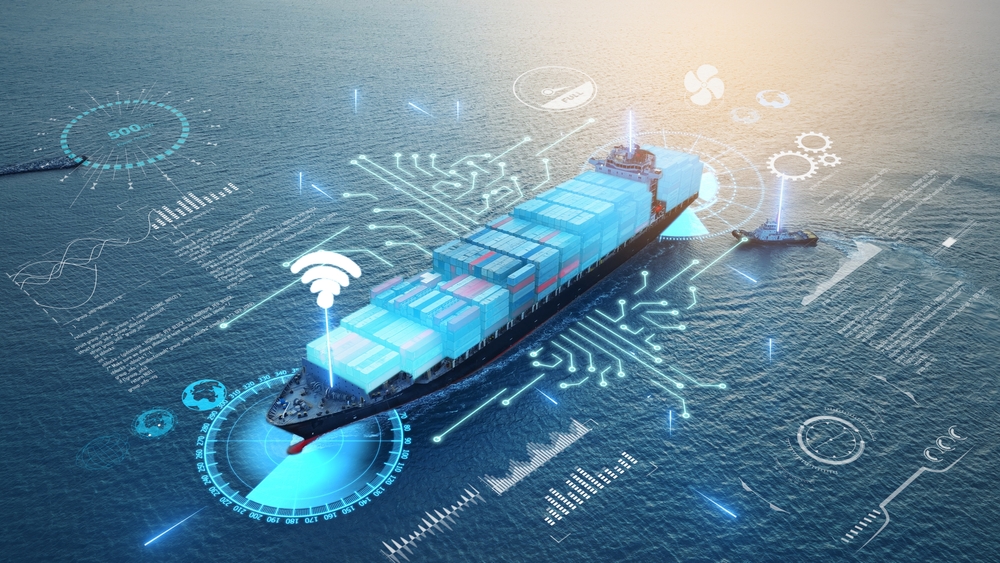
Streamlining Your Import Process to Seattle
Successfully importing machinery via reefer FCL from China to Seattle involves more than just booking a container. It requires meticulous planning and coordination across various stages of the supply chain.
Engaging with an experienced freight forwarder like China Top Freight can significantly simplify this complex process. They handle everything from origin logistics and documentation to customs clearance and final delivery.
Moreover, considering additional services such as pre-shipment inspections, cargo insurance, and real-time tracking is highly recommended. These measures provide added security and peace of mind for your valuable machinery throughout its journey.
Ultimately, a well-managed and transparent supply chain ensures timely arrivals and minimizes potential disruptions. This proactive approach is key to maintaining your operational efficiency and protecting your investment.
Conclusion
In summary, mastering the reefer FCL transit time for machinery from China to Seattle demands a thorough understanding of various factors. These range from carrier selection and customs procedures to port conditions and cold chain integrity.
By carefully planning and partnering with a knowledgeable logistics provider, businesses can effectively manage costs, mitigate risks, and ensure the timely delivery of their valuable equipment. Prioritizing robust cold chain management is paramount for success in this specialized shipping sector, guaranteeing machinery arrives in optimal condition.
Ready to streamline your logistics?
Ready to ship your temperature-sensitive machinery from China to Seattle? Let our experts at China Top Freight simplify your logistics. We provide tailored solutions to ensure your reefer FCL machinery arrives safely and on schedule. Request a personalized quote today and discover how we can optimize your supply chain.
Request Quote