

- By carlie tj
- December 5, 2025
- Tips or Guide, Transport
Meta Title: Reefer FCL Transit Time for Medical Equipment from China to France
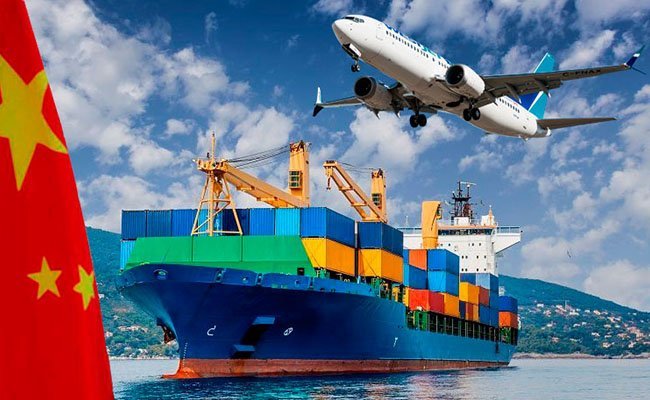
Shipping temperature-sensitive medical equipment requires both precision and reliability. When considering Reefer FCL transit time for medical equipment from China to France, businesses seek balance between controlled conditions, cost-efficiency, and delivery speed. Partnering with experts like China Top Freight ensures optimal logistics performance while safeguarding cargo integrity during long ocean voyages.
1. What Is Reefer FCL Shipping for Medical Equipment?
Reefer FCL (Full Container Load) shipping involves refrigerated containers designed to maintain specific temperature ranges. For medical equipment such as vaccines, diagnostic kits, or electronic instruments, maintaining precise climate conditions is essential to avoid damage.
Reefer containers are equipped with integrated cooling systems that monitor and regulate internal temperature, humidity, and ventilation during transit. This makes them ideal for long-distance routes between China and France, where transport duration typically ranges between 30–40 days, depending on port selections and carrier schedules.
2. How Long Is the Reefer FCL Transit Time from China to France?
The Reefer FCL transit time for medical equipment from China to France usually spans between 30 to 38 days, influenced by port combinations, vessel routes, and customs procedures.
Below is an overview of estimated transit times for key port routes:
Table 1: Estimated Reefer FCL Transit Time from China to France
| China Port | France Port | Estimated Transit Time | Remarks |
|---|---|---|---|
| Shanghai | Le Havre | 30–33 days | Fast and stable route for pharmaceuticals |
| Shenzhen | Marseille | 27–32 days | Efficient for South China exporters |
| Ningbo | Le Havre | 31–36 days | Balanced schedule and rate |
| Qingdao | Fos-sur-Mer | 34–38 days | Slightly longer due to route detours |
Transit time may extend due to seasonal congestion, customs inspections, or reefer container space shortages. However, careful scheduling ensures steady supply chain flow for critical shipments.
3. What Factors Influence Reefer FCL Transit Time?
Several key factors determine shipping duration and reliability:
- Port Congestion: Busy ports in Europe can cause unloading delays.
- Carrier Schedules: Vessel frequency and transshipment points impact total days at sea.
- Customs Clearance: Documentation errors can lead to clearance delays in both China and France.
- Weather Conditions: Rough seas or storms can affect reefer container handling efficiency.
- Container Availability: Reefer shortages may postpone booking during high-demand seasons.
4. How to Optimize Reefer FCL Shipping for Medical Equipment
To ensure timely delivery and product safety, follow these logistics optimization strategies:
- Pre-cool Containers: Set reefer containers to required temperature before loading.
- Use Data Loggers: Track real-time temperature and humidity levels.
- Select Reliable Carriers: Choose ocean lines with strong reefer handling experience.
- Plan Ahead: Book containers at least two weeks in advance during peak seasons.
- Partner with Experienced Forwarders: Work with providers specialized in medical-grade cargo logistics.
5. Which Ports in China and France Are Most Suitable?
Selecting the right ports enhances both time efficiency and cost control.
Key Chinese Ports: Shanghai, Shenzhen, Ningbo, Tianjin, and Qingdao.
Major French Ports: Le Havre, Marseille, and Fos-sur-Mer.
Shenzhen–Marseille and Ningbo–Le Havre are two of the most stable routes, offering balanced cost, speed, and reliability for reefer shipments.
6. How Does Reefer FCL Compare to Air Freight for Medical Equipment?
While air freight is faster, reefer sea freight offers cost benefits and higher capacity.
Table 2: Reefer FCL vs Air Freight for Medical Equipment
| Aspect | Reefer FCL Shipping | Air Freight |
|---|---|---|
| Transit Time | 27–38 days | 3–5 days |
| Cost | Low | High |
| Capacity | Large | Limited |
| Temperature Control | Stable, monitored | Precise, limited duration |
| Best For | Bulk medical equipment | Urgent or small-volume cargo |
Therefore, combining both modes strategically—using air for urgent samples and reefer FCL for bulk equipment—can balance efficiency and cost.
7. What Documents Are Required for Medical Equipment Shipping?
Proper documentation ensures smooth customs clearance and prevents delays.
Typical requirements include:
- Commercial invoice and packing list
- Certificate of origin
- Bill of lading (B/L)
- Import license (France)
- Health or safety certificate
- Insurance policy
- Temperature monitoring records
Ensuring all documents are accurate reduces inspection risk and shortens clearance time.
8. How to Reduce Reefer FCL Delays During Customs Clearance
Efficient clearance depends on pre-declared documentation and proper labeling. To minimize delays:
- Submit digital customs declarations before vessel departure.
- Clearly label HS codes and cargo description.
- Use CE-mark-compliant medical devices.
- Engage local customs brokers in both countries for smoother communication.
Proactive coordination between supplier, freight forwarder, and consignee guarantees uninterrupted customs processing.
9. What Are Common Challenges in Reefer FCL Medical Shipments?
Despite advanced technology, reefer logistics face unique obstacles:
- Power Supply Issues: Maintaining power during transshipment is vital.
- Container Return Delays: Late returns may cause detention fees.
- Temperature Deviations: Small fluctuations can affect sensitive cargo.
- Route Adjustments: Carrier re-routings due to congestion impact timing.
Working with professionals ensures quick response to such challenges.
Request a Quote
China Top Freight offers:
- ✅ Origin and Destination Countries
- ✅ Cargo Type and Volume
- ✅ Preferred Transport Method (Air, Sea, Rail, Road)
- ✅ Delivery Timeline
- ✅ Special Handling Requirements (if any)
FAQ
1. What temperature range do Reefer FCL containers maintain for medical equipment?
They typically maintain temperatures from -25°C to +25°C, ensuring precise climate control for equipment like reagents, devices, and pharmaceutical goods.
2. Can I ship both frozen and ambient medical goods in the same reefer container?
No, reefer containers can only maintain one uniform temperature per unit, so separate containers are necessary for different storage requirements.
3. What documents are mandatory for customs clearance of medical devices?
Essential papers include the bill of lading, invoice, packing list, certificate of origin, and relevant health and safety compliance certificates.
4. How often are Reefer FCL containers inspected during transit?
Containers are routinely monitored electronically, with daily temperature records transmitted to carriers and freight forwarders for safety tracking.
5. What are the main ports for reefer shipments from China to France?
Key routes operate from Shanghai, Shenzhen, Ningbo, and Qingdao to Le Havre, Marseille, or Fos-sur-Mer in France.
Conclusion
Understanding the Reefer FCL transit time for medical equipment from China to France is vital for ensuring product integrity, regulatory compliance, and on-time delivery. With optimized routes, stable temperature control, and efficient customs management, reefer FCL shipping stands as a cost-effective and dependable option for medical suppliers worldwide.
Collaborate with China Top Freight to streamline your supply chain and guarantee reliable cold-chain transportation for all your medical cargo needs.