

Choosing the right air cargo China to Canada solution can make all the difference for importers shipping electronics, machinery, or eCommerce goods. Air freight is the fastest and most reliable transport option, ensuring timely deliveries, reduced damage risks, and full customs compliance. However, understanding costs, routes, and documentation is crucial to avoid delays and hidden fees.
This detailed guide explores everything you need to know about air cargo between China and Canada, from shipping methods to customs clearance and practical cost-saving strategies.

1. What Is Air Cargo from China to Canada?
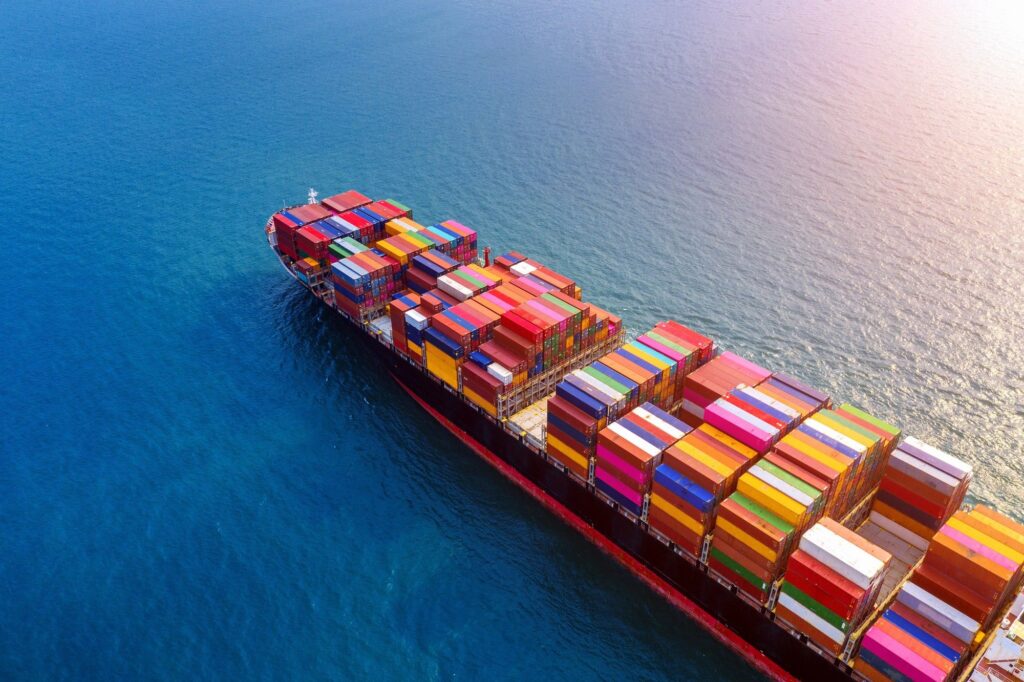
Air cargo refers to shipping goods via commercial or dedicated cargo aircraft. It’s widely used for time-sensitive, valuable, or lightweight products that need rapid delivery and enhanced security.
Common Products Shipped via Air:
- Electronics and smartphones
- Fashion and luxury items
- Medical equipment and pharmaceuticals
- Auto parts and machinery components
- eCommerce parcels and samples
Advantages:
- Shortest transit time (3–7 days)
- High cargo security
- Lower risk of damage
- Real-time tracking and updates
Long-tail keywords: express air freight China to Canada, DDP air cargo, import electronics China Canada, air logistics solutions, air freight services Toronto/Vancouver.
2. Why Choose Air Cargo Over Other Shipping Methods?
While sea and rail freight are cost-effective for bulk goods, air cargo excels in speed, reliability, and minimal storage requirements.
| Shipping Method | Transit Time | Cost Level | Reliability | Best For |
|---|---|---|---|---|
| Air Freight | 3–7 days | High | Very High | Urgent, high-value goods |
| Sea Freight | 25–40 days | Low | Medium | Large-volume shipments |
| Rail Freight | 16–22 days | Medium | High | Mid-speed cargo |
| 2–5 days | Highest | Very High | Small parcels |
Why Businesses Prefer Air Cargo:
- Ideal for meeting retail or eCommerce delivery deadlines.
- Minimizes warehousing costs through just-in-time logistics.
- Reduces customs and inspection risks with pre-clearance options.
Semantic keywords: logistics efficiency, shipping comparison, supply chain speed, express cargo, transport optimization.
3. How Long Does Air Cargo from China to Canada Take?
Transit time depends on the origin city, destination airport, airline schedule, and customs processing.
| Origin Airport (China) | Destination (Canada) | Average Transit Time |
|---|---|---|
| Shanghai (PVG) | Toronto (YYZ) | 5–7 days |
| Shenzhen (SZX) | Vancouver (YVR) | 4–6 days |
| Beijing (PEK) | Montreal (YUL) | 6–8 days |
| Guangzhou (CAN) | Calgary (YYC) | 5–7 days |
| Hong Kong (HKG) | Vancouver (YVR) | 3–5 days |
Additional Time Factors:
- Export customs clearance: 1–2 days
- Import customs inspection: 1–3 days
- Delivery to final destination: 1–2 days
Long-tail keywords: air freight delivery time China to Canada, flight routes, logistics schedule, import timing optimization.
4. How Much Does Air Cargo Cost from China to Canada?
Air freight pricing is based on chargeable weight, which is the greater of actual or volumetric weight.
| Shipping Type | Estimated Rate (USD/kg) | Transit Time | Notes |
|---|---|---|---|
| Standard Air Freight | $5–$8/kg | 5–8 days | Best for general cargo |
| Express Air Freight | $7–$12/kg | 3–5 days | Premium, fast delivery |
| Economy Air Freight | $4–$6/kg | 7–10 days | Cost-saving option |
| Dangerous Goods | $10–$15/kg | 5–8 days | Includes batteries, chemicals |
Cost Example:
A 100 kg shipment from Shenzhen to Toronto:
- Average cost = $5.50 × 100 = $550 USD (excluding customs and delivery).
Extra Charges May Include:
- Fuel surcharge (BAF)
- Airport handling fees
- Customs brokerage service
- Insurance and delivery fee
Semantic keywords: air freight rates, shipping quote, chargeable weight, freight calculation, import cost estimate.
Are you ready to book?
Access live instant freight quotes
5. What Are the Major Airports for Air Cargo in China and Canada?
China’s Main Export Airports
- Shanghai Pudong (PVG): Largest hub for international freight.
- Shenzhen Bao’an (SZX): Ideal for tech and eCommerce shipments.
- Guangzhou Baiyun (CAN): Handles bulk manufacturing exports.
- Beijing Capital (PEK): North China’s gateway for air logistics.
Canada’s Primary Import Airports
- Toronto Pearson (YYZ): Central hub for Eastern Canada.
- Vancouver (YVR): Main entry for Pacific trade routes.
- Calgary (YYC): Excellent for inland distribution.
- Montreal (YUL): Serves Eastern and Quebec markets.
Long-tail keywords: China to Toronto air freight, Shenzhen to Vancouver air cargo, Guangzhou to Calgary shipments, air trade hubs Canada.
6. What Documents Are Required for Air Cargo Shipping?
Accurate documentation ensures smooth customs clearance and compliance with import regulations.
| Document | Purpose |
|---|---|
| Air Waybill (AWB) | Contract between shipper and airline |
| Commercial Invoice | Declares product value for customs |
| Packing List | Lists product weight and quantity |
| Certificate of Origin | Proves manufacturing country |
| Import Declaration | Submitted to CBSA (Canada Customs) |
| Insurance Certificate | Covers loss or damage |
| Dangerous Goods Declaration | Required for batteries or chemicals |
Tip: Always verify HS codes and ensure product labeling meets Canadian import standards.
Semantic keywords: customs paperwork, CBSA clearance, trade compliance, import documentation, shipping formalities.
7. What Customs Duties and Taxes Apply in Canada?
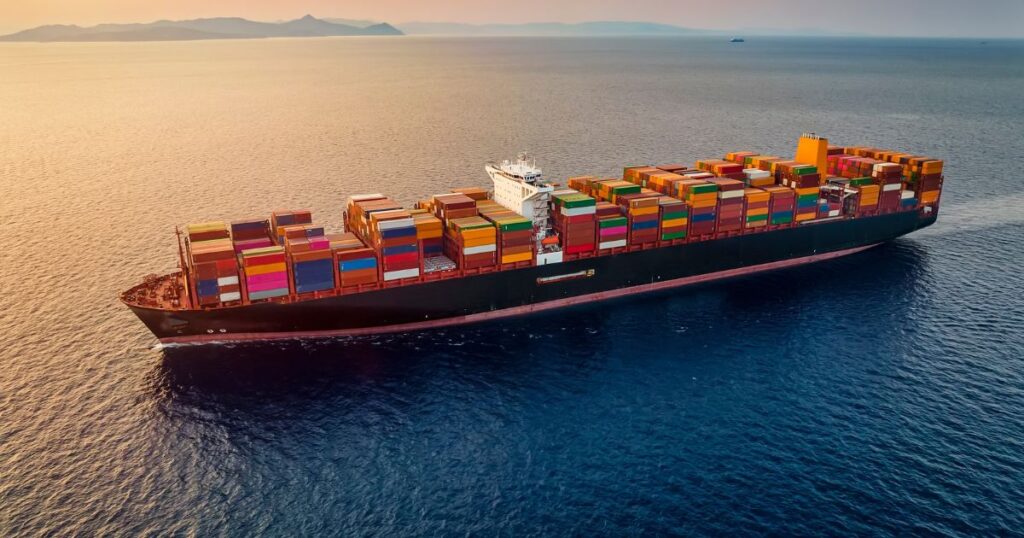
All imports into Canada are subject to customs duties and GST/HST taxes.
| Type | Rate/Requirement |
|---|---|
| Import Duty | 0–8% (depending on HS code) |
| GST (Goods & Services Tax) | 5% |
| HST (Harmonized Sales Tax) | 13–15% (province-specific) |
| Customs Brokerage Fee | $50–$150 per shipment |
Example:
For a CIF value of $10,000 with 5% duty and 5% GST:
- Duty = $500
- GST = 5% × $10,500 = $525
- Total = $11,025 CAD
Long-tail keywords: customs duties Canada, GST import, CBSA clearance fees, duty-free import limit, tax calculation guide.
8. What Are the Advantages of Air Cargo from China to Canada?
Key Benefits:
- Speed: Delivers in under 7 days.
- Reliability: Frequent flights and predictable schedules.
- Security: Less risk of theft or damage.
- Tracking: Real-time visibility for every shipment.
- Flexibility: Ideal for high-value, low-volume goods.
| Feature | Air Freight Advantage |
|---|---|
| Transit Time | Fastest method (3–7 days) |
| Damage Risk | Lowest among all freight types |
| Storage Need | Minimal due to quick turnover |
| Customs Efficiency | Simplified pre-clearance |
| Delivery Control | Advanced tracking systems |
9. What Are the Disadvantages of Air Cargo?
While efficient, air freight has some limitations.
Main Drawbacks:
- Higher cost per kilogram compared to sea freight.
- Limited cargo space for oversized or heavy items.
- Strict packaging and battery restrictions (IATA rules).
- Weather disruptions may affect flight schedules.
When to Avoid Air Freight:
- For bulk or low-value goods where transit time is less critical.
Semantic keywords: freight cost concerns, oversized cargo limitations, IATA safety rules, transport restrictions.
10. How to Reduce Air Cargo Costs from China to Canada
Practical Tips:
- Book early: Lock in lower rates during off-peak seasons.
- Consolidate shipments: Share space to reduce per-kg charges.
- Use DDP (Delivered Duty Paid): Avoid surprise customs costs.
- Choose economy air freight: For slightly slower yet cheaper delivery.
- Optimize packaging: Reduce volumetric weight.
Long-tail keywords: freight cost reduction, DDP air shipping, consolidated cargo service, off-peak booking discounts.
Conclusion
Air cargo China to Canada offers the fastest and most secure solution for importers seeking efficiency, reliability, and premium service. Although it’s more expensive than sea freight, the benefits—speed, security, and reduced risk—make it ideal for high-value or time-sensitive products. Therefore, partnering with an experienced freight forwarder like ChinaTopFreight ensures smooth operations, transparent costs, and on-time delivery across Canadian markets.
FAQ
1. How long does air cargo take from China to Canada?
Transit usually takes 3–7 days, depending on the origin city, airline schedule, and customs clearance speed.
2. What is the cheapest way to ship goods by air?
Economy air freight and consolidated services offer lower rates for non-urgent shipments.
3. Can I ship lithium batteries via air freight?
Yes, but only with proper packaging and a Dangerous Goods Declaration under IATA regulations.
4. What is DDP shipping for air cargo?
DDP (Delivered Duty Paid) means the seller handles freight, customs duties, and delivery to the buyer’s door in Canada.
5. How are air freight charges calculated?
Charges are based on chargeable weight—whichever is higher between actual and volumetric weight.