

Shipping goods between China and Japan requires more than just logistics—it demands a professional customs broker China to Japan who can navigate complex regulations, minimize delays, and reduce costs. Choosing the right partner ensures your products reach Japanese buyers smoothly and legally.
1. What Does a Customs Broker Do Between China and Japan?
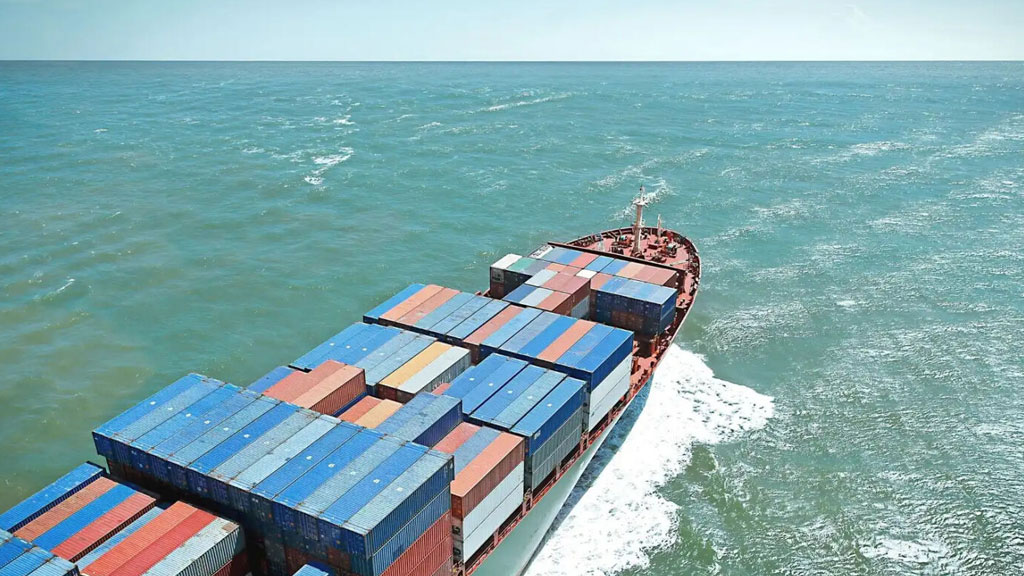
A customs broker China to Japan acts as your authorized representative to handle import and export documentation, customs clearance, and tax compliance. They prepare and submit the required paperwork, calculate duties, and ensure goods comply with Japanese import regulations.
| Task | Description |
|---|---|
| Documentation | Filing import/export declarations and shipping invoices |
| Tariff Calculation | Estimating customs duties and consumption taxes |
| Compliance | Ensuring conformity with Japanese import laws |
| Clearance | Coordinating inspections and approvals with customs authorities |
2. Why Is a Customs Broker Essential for China–Japan Trade?
Importing goods into Japan involves strict compliance requirements. Without a licensed customs broker, businesses may face shipment delays, penalties, or cargo seizures. Moreover, Japanese authorities require accurate HS codes and detailed invoices—tasks best handled by an expert.
Additionally, a professional broker understands trade agreements, tariff exemptions, and preferential rules of origin under the Japan-China Economic Partnership.
3. How Does the Customs Clearance Process Work From China to Japan?
Understanding the customs clearance process helps you prepare better for each stage.
| Step | Process | Responsible Party |
|---|---|---|
| 1 | Export declaration in China | Exporter/Broker |
| 2 | Transport and shipping | Freight Forwarder |
| 3 | Arrival at Japanese port | Carrier/Importer |
| 4 | Import declaration filing | Customs Broker |
| 5 | Inspection and approval | Japanese Customs |
| 6 | Duty and tax payment | Importer/Broker |
| 7 | Delivery to consignee | Logistics Provider |
This process can take 1–5 days depending on cargo type, document accuracy, and port congestion.
What are you waiting for?
Contact chinatopfreight for a fast, free quote.
Are you ready to book?
Access live instant freight quotes
4. What Documents Are Required for Customs Clearance in Japan?
A customs broker ensures all necessary paperwork is complete before submission. Missing documents can delay clearance or increase inspection chances.
| Document | Purpose |
|---|---|
| Commercial Invoice | Shows product description, value, and currency |
| Packing List | Details package contents and measurements |
| Bill of Lading (B/L) | Confirms cargo ownership during transit |
| Certificate of Origin | Verifies product source for tariff purposes |
| Import Permit (if required) | For controlled goods like electronics or chemicals |
| Insurance Certificate | Protects against loss or damage |
5. How Much Are Customs Duties and Taxes From China to Japan?
Japan imposes import duties, consumption taxes, and sometimes special tariffs depending on the product category. A customs broker calculates these costs precisely.
| Product Category | Average Duty Rate | Consumption Tax |
|---|---|---|
| Electronics | 0–5% | 10% |
| Textiles & Apparel | 8–13% | 10% |
| Machinery | 0–3% | 10% |
| Food & Beverage | 5–20% | 10% |
Tip: Brokers help businesses apply for tariff reductions under bilateral trade agreements, saving up to 30% in total import costs.
6. What Are the Main Shipping Methods From China to Japan?
When shipping between neighboring Asian markets, both sea freight and air freight are widely used. The best choice depends on your cargo size, urgency, and budget.
| Shipping Method | Transit Time | Average Cost | Best For | Pros | Cons |
|---|---|---|---|---|---|
| Sea Freight (FCL/LCL) | 3–7 days | Low | Bulk cargo | Cost-effective, eco-friendly | Slower |
| Air Freight | 1–2 days | High | High-value or urgent cargo | Fast, reliable | Expensive |
| Express Courier | 1–3 days | Higher | Small parcels | Door-to-door convenience | Weight limits |
A customs broker China to Japan often coordinates with freight forwarders to ensure accurate paperwork accompanies each shipment.
7. How to Choose the Right Customs Broker for Japan Imports?

Selecting the right customs broker determines your shipping efficiency. Consider these factors:
- Licensing and accreditation with Japanese Customs.
- Experience in your product category (e.g., electronics, textiles, or machinery).
- Bilingual staff fluent in Chinese and Japanese for seamless coordination.
- Transparent pricing for brokerage and clearance fees.
- Digital tracking systems for customs status updates.
A reliable customs broker simplifies compliance, speeds up clearance, and prevents costly delays.
8. What Are Common Challenges in China–Japan Customs Clearance?
Even experienced importers face challenges during customs clearance. However, understanding them helps minimize risks.
| Challenge | Description | Solution |
|---|---|---|
| HS Code Misclassification | Incorrect tariff codes lead to fines | Broker ensures correct classification |
| Incomplete Documents | Missing paperwork delays clearance | Pre-check with broker before shipment |
| Inspection Delays | Random or high-risk checks | Maintain transparent shipping history |
| Tariff Errors | Wrong duty calculations | Use broker’s tariff software and experience |
Moreover, a professional broker continuously monitors customs regulation updates, ensuring your shipments comply with the latest standards.
9. Can a Customs Broker Handle Both Import and Export From China to Japan?
Yes, many customs brokers China to Japan are qualified to manage both export declarations in China and import procedures in Japan. This dual capability ensures smooth coordination across both borders, reducing communication gaps and improving shipping efficiency.
Some large logistics companies even integrate freight forwarding, customs brokerage, and warehousing to provide a door-to-door solution.
10. How Long Does Customs Clearance Take in Japan?
The clearance duration depends on factors such as product type, documentation accuracy, and customs inspection requirements.
| Clearance Type | Estimated Time | Notes |
|---|---|---|
| Standard Cargo | 1–3 business days | Smooth paperwork |
| High-Value Goods | 2–4 business days | Additional verification |
| Restricted Items | 3–7 business days | Permit or inspection required |
Working with an experienced customs broker ensures minimal delay, as they anticipate requirements and pre-submit digital data to Japanese authorities.
Conclusion
Working with a customs broker China to Japan is the most efficient way to ensure smooth, compliant, and timely delivery of goods. From documentation and duty calculation to inspection coordination, their expertise bridges regulatory gaps between two major trading nations. By entrusting customs clearance to professionals, you reduce risks, save money, and enhance your business reliability across borders.
FAQ
1. Do I need a customs broker to import from China to Japan?
Yes, using a licensed customs broker ensures compliance, proper duty calculation, and faster clearance for your imports into Japan.
2. How much does customs clearance cost in Japan?
Costs vary by cargo type and value but typically range from ¥10,000–¥25,000 per shipment, excluding duties and taxes.
3. Can a broker help with tariff exemption?
Yes, brokers assist in applying for tariff reductions under trade agreements between China and Japan.
4. What happens if my documents are incomplete?
Incomplete or inaccurate documents can delay clearance or trigger inspections, leading to additional fees or storage costs.
5. Is it possible to track customs status online?
Professional brokers offer digital tracking systems that update clearance status and customs results in real-time.