

- By kelly
- October 11, 2025
- Logistics, Tips or Guide
Reliable FCL Shipping from China to Belgium: Secure, Cost-Effective & On-Time
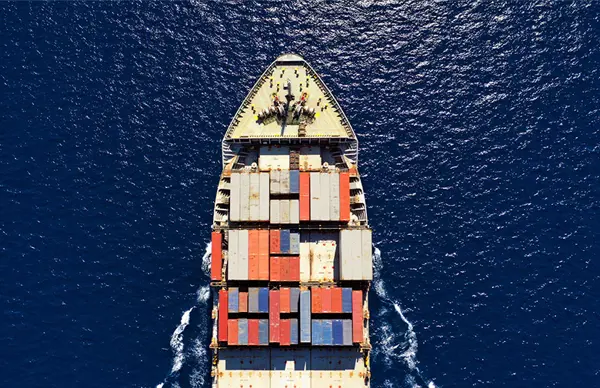
For importers managing large volumes of goods, reliable FCL shipping from China to Belgium is one of the most efficient logistics solutions. Full Container Load (FCL) services offer cost efficiency, security, and predictable delivery schedules compared to other shipping methods. However, challenges like customs clearance, transit delays, and unexpected charges can disrupt supply chains. Choosing a trusted FCL provider ensures your shipments arrive safely, on time, and within budget.
What Is FCL Shipping and Why Choose It?
FCL (Full Container Load) shipping means renting an entire container for your goods, as opposed to sharing space with other shippers (LCL). This method is highly recommended for businesses transporting large cargo volumes because:
- Security is enhanced, with no mixing of cargo.
- Costs per unit are lower for bulk goods.
- Transit times are faster compared to LCL.
- Handling is minimized, reducing risks of damage.
Therefore, for companies importing from China to Belgium, FCL is a professional, reliable, and cost-efficient option.
How Long Does FCL Shipping from China to Belgium Take?
Transit times depend on the port of origin in China and the Belgian port of destination, usually Antwerp or Zeebrugge.
| Origin Port (China) | Destination (Belgium) | Average Transit Time | Notes |
|---|---|---|---|
| Shanghai | Antwerp | 30–35 days | Popular route, stable schedules |
| Shenzhen | Antwerp | 28–32 days | Fast South China route |
| Ningbo | Zeebrugge | 30–36 days | Competitive alternative |
| Qingdao | Antwerp | 32–38 days | Northern China connection |
What Are the Costs of FCL Shipping?
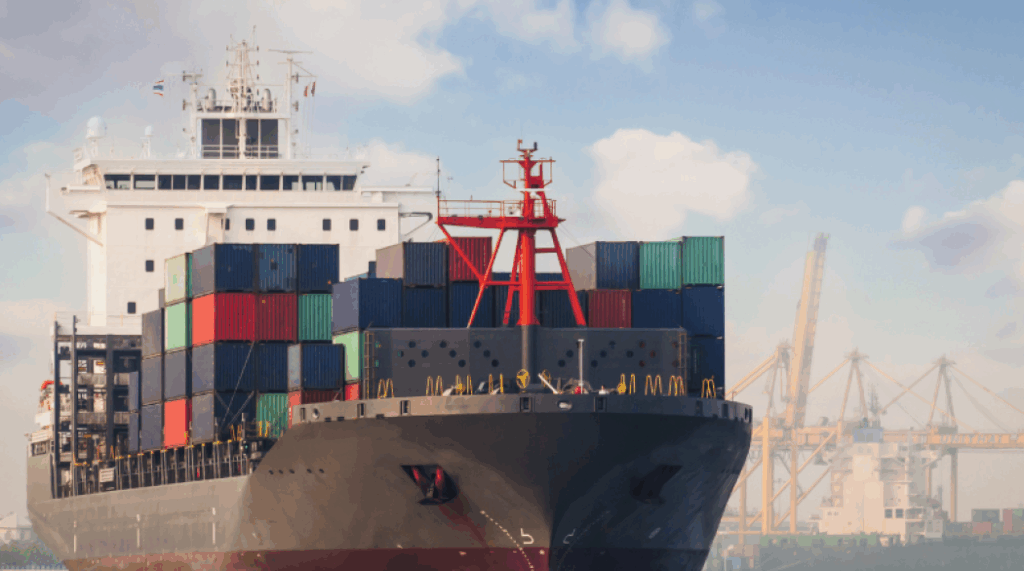
Costs depend on container type, port charges, and carrier selection. Below is an estimated cost breakdown:
| Container Type | Average Cost (USD) | Suitable For |
|---|---|---|
| 20GP (20ft) | $2,000 – $2,600 | Smaller bulk shipments |
| 40GP (40ft) | $3,200 – $3,800 | Medium-sized shipments |
| 40HQ (40ft High Cube) | $3,500 – $4,100 | Larger or light cargo needing volume |
Note: Prices vary with carrier contracts, fuel surcharges, and peak seasons.
How Does FCL Compare with Other Shipping Methods?
When comparing sea freight options, FCL offers unique advantages.
| Method | Cost | Transit Time | Pros | Cons |
|---|---|---|---|---|
| FCL | Medium | 28–38 days | Secure, cost-effective for bulk | Requires high cargo volume |
| LCL | Medium-High | 30–40 days | Good for smaller loads | Higher risk of delays, more handling |
| Air Freight | High | 5–10 days | Fastest option | Very expensive for heavy cargo |
| Rail Freight | Medium | 18–25 days | Faster than sea (via EU rail) | Limited availability for Belgium |
What Documents Are Required for Customs Clearance in Belgium?
Accurate documents are critical to avoid delays and penalties.
| Document | Purpose | Required By |
|---|---|---|
| Bill of Lading (B/L) | Proof of shipment & contract | Shipping line & customs |
| Commercial Invoice | Declares goods’ value | Customs authority |
| Packing List | Confirms cargo contents | Customs & consignee |
| Importer’s EORI Number | Importer identification in EU | Belgian Customs |
| Certificates (if needed) | For restricted goods | EU regulatory agencies |
Why Is FCL Shipping Reliable for Bulk Imports?
FCL shipping is considered highly reliable because:
- Containers are sealed at origin and opened only at destination.
- Transit schedules are more predictable compared to LCL.
- Bulk goods enjoy lower freight rates per CBM (cubic meter).
- Less cargo handling minimizes risks of theft or damage.
Therefore, FCL remains the preferred option for importers handling large-scale shipments.
How Does Reliable FCL Shipping Support E-Commerce and Manufacturing?
E-commerce sellers importing bulk products and manufacturers sourcing raw materials both benefit from FCL. Moreover:
- E-commerce sellers get stable replenishment cycles for Amazon FBA or Shopify warehouses.
- Manufacturers enjoy predictable costs for machinery, raw materials, and components.
- Retailers reduce the risk of shortages thanks to consistent supply.
What Are the Main Belgian Ports for FCL Imports?
Belgium has two primary container gateways:
- Port of Antwerp – Europe’s second-largest container hub with strong connectivity.
- Port of Zeebrugge – Focused on RoRo and growing container volumes.
Both ports provide excellent access to the EU market via road, rail, and inland waterways.
Pros and Cons of Reliable FCL Shipping from China to Belgium
| Pros | Cons |
|---|---|
| Cost-efficient for large cargo | Requires high cargo volume |
| Safer with sealed containers | Slower than air freight |
| Less risk of damage | Port congestion possible |
| Predictable transit schedules | Customs delays if documents missing |
How to Choose the Best FCL Shipping Partner?
When selecting a shipping partner, consider:
- Carrier network strength and reliability.
- Competitive contract rates during peak seasons.
- Customs clearance expertise in China and Belgium.
- Tracking and transparency for real-time shipment updates.
- Local delivery options after port clearance.
📦Get a Free Quote
Selecting the right partner is critical. Our FCL solutions are built on experience, strong carrier contracts, and professional customs support. Contact us today to learn how reliable FCL shipping from China to Belgium can streamline your logistics.
❓ Frequently Asked Questions
1. How long does reliable FCL shipping from China to Belgium take?
On average, it takes 28–38 days, depending on the port of origin and destination.
2. What is the cheapest container option for FCL shipping?
A 20GP container is most affordable, while 40HQ is best for light but high-volume goods.
3. Do I need an EORI number for imports into Belgium?
Yes. All EU importers must register for an EORI number for customs clearance.
4. Can FCL shipping handle temperature-sensitive goods?
Yes. Reefer containers are available for perishable items requiring controlled temperatures.
5. How do freight forwarders reduce FCL costs?
They negotiate bulk contracts with carriers, consolidate services, and provide customs expertise.
Conclusion
In summary, reliable FCL shipping from China to Belgium offers importers security, affordability, and predictable delivery times. While transit is slower than air freight, the cost savings and reduced risk of damage make it the best choice for large-volume shipments. Partnering with experienced freight forwarders ensures lower rates, smooth customs clearance, and hassle-free logistics management.