

Reliable FCL Shipping from China to France: Your Complete Guide
Navigating international logistics can be complex, especially when seeking reliable FCL shipping from China to France. Businesses often face challenges like fluctuating freight rates, lengthy transit times, and intricate customs procedures. This comprehensive guide simplifies the process, offering insights and solutions to ensure your full container load shipments arrive efficiently and securely.

Understanding FCL Shipping for China to France
Full Container Load (FCL) shipping involves reserving an entire shipping container exclusively for your cargo. This method is ideal for businesses with large volumes of goods, ensuring your products are sealed and transported without sharing space with other shippers’ items. Consequently, FCL reduces handling, minimizing the risk of damage or loss during transit.
Choosing FCL for your shipments from China to France offers significant advantages. It typically provides faster transit times compared to Less than Container Load (LCL) shipments, as there are no delays for consolidation or deconsolidation at various ports. Moreover, for substantial cargo volumes, FCL proves to be more cost-effective per unit, making it a preferred choice for many importers. Consider sea freight for these large shipments.
Essential Factors for Reliable FCL Shipping from China to France
Ensuring reliable FCL shipping from China to France requires careful attention to several critical factors. Understanding these elements can significantly impact your supply chain efficiency and overall costs. Therefore, proactive planning and informed decision-making are paramount for successful international freight.
Transit Times and Routes
Typical FCL transit times from major Chinese ports like Shanghai, Ningbo, or Shenzhen to French ports such as Le Havre or Marseille range from 28 to 35 days. However, these estimates can vary based on the specific carrier, chosen route, and potential transshipment points. Direct routes, while sometimes slightly more expensive, can shave several days off the journey.
Freight Rates and Cost Components
FCL freight rates are influenced by various factors, including fuel surcharges, peak season demand, and port congestion. Beyond the base ocean freight, importers must account for origin charges (e.g., terminal handling, documentation), destination charges, and customs duties. Understanding these components is crucial for accurate budget forecasting.
Customs Clearance and Documentation
Seamless customs clearance is vital for avoiding delays and unexpected costs upon arrival in France. Key documents include the Commercial Invoice, Packing List, Bill of Lading, and any necessary permits or certificates. Partnering with experienced customs brokerage services can streamline this complex process.
Port Selection and Inland Transportation
Selecting the right port of loading in China and port of discharge in France can optimize your logistics. Le Havre and Marseille are primary French gateways, offering extensive connections to inland Europe. Furthermore, efficient inland transportation from the port to your final warehouse is a critical last-mile consideration for overall delivery schedules.
How Does the FCL Shipping Process Work?
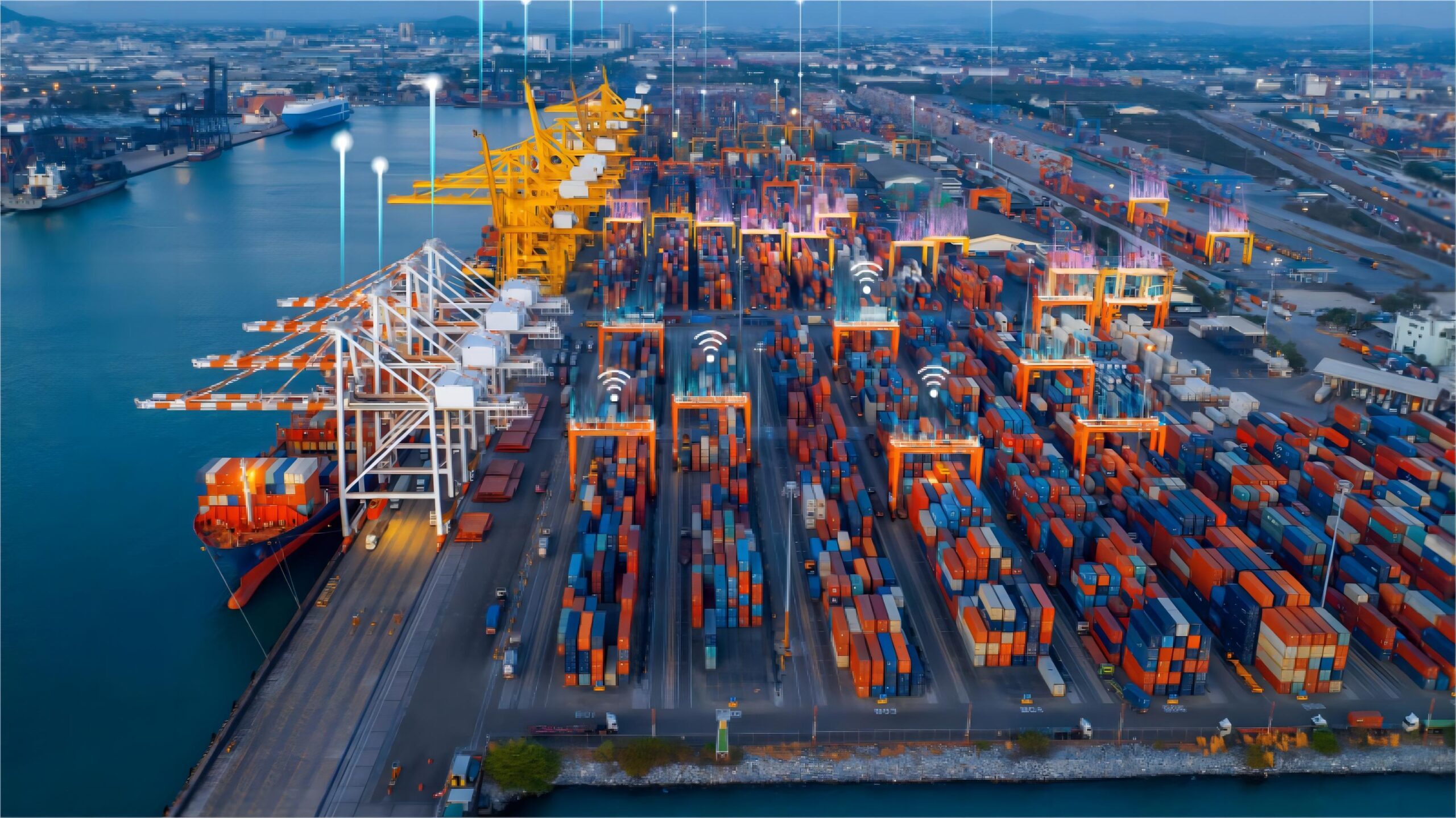
Successfully moving goods via FCL from China to France involves a structured series of steps. Each stage requires meticulous coordination to ensure a smooth and timely delivery. Consequently, a clear understanding of this process empowers businesses to manage expectations and anticipate potential bottlenecks.
Booking and Container Loading
The process begins with booking your FCL shipment with a freight forwarder, specifying container size (20GP, 40GP, 40HQ) and required sailing date. Once confirmed, your goods are transported to the port of loading in China and professionally loaded into the designated container. Proper loading and securing of cargo are essential to prevent damage.
Ocean Transit and Tracking
After loading and customs clearance at the origin, the container is loaded onto a vessel for ocean transit to France. During this period, advanced tracking systems allow you to monitor your shipment’s progress in real-time. This visibility helps manage inventory and plan for arrival.
Arrival, Customs, and Final Delivery
Upon arrival at the French port, the container undergoes local customs inspection and clearance. Following successful clearance, the container is transported to its final destination. Many businesses opt for door-to-door services to simplify this final leg of the journey, ensuring a seamless handover.
FCL vs. Other Shipping Methods: Making the Right Choice
Deciding on the optimal shipping method from China to France involves weighing various factors, including urgency, cost, and cargo volume. FCL sea freight is a strong contender for many businesses, yet alternative strategies exist for different scenarios. Understanding these comparisons is crucial for informed logistical planning.
| Shipping Method | Cost Range (40HQ China-Europe) | Transit Time | Best For | Limitations |
|---|---|---|---|---|
| FCL Sea Freight | $3,000 – $4,200 | 28-35 days | Large volumes, cost-efficiency, non-urgent goods | Long transit time, port congestion risks |
| LCL Sea Freight | $500 – $1,500 (per CBM for smaller shipments) | 35-45 days | Smaller volumes (under 15 CBM), budget-conscious | Longer transit, more handling, higher risk of damage |
| Air Freight | $15,000 – $25,000 (for comparable volume) | 5-7 days | Urgent, high-value, small to medium-sized cargo | Very high cost, environmental impact, volume restrictions |
| Rail Freight | $8,000 – $12,000 (40HQ) | 18-22 days | Time-sensitive but not urgent, high-value, inland destinations | Limited routes, capacity constraints, potential border delays |
Which Option Should You Choose? A Decision Framework
Selecting the ideal shipping method depends heavily on your specific business priorities. For instance, if budget is your primary concern and you have large volumes, FCL sea freight is typically the most economical choice. Conversely, if speed is paramount, air freight offers the fastest transit, albeit at a significantly higher cost.
Consider your cargo type as well. Fragile or high-value goods might benefit from the reduced handling of FCL, or even the speed of air freight to minimize transit exposure. Volume thresholds are also key; while LCL suits shipments under 15 CBM, exceeding this volume generally makes FCL more cost-effective. Ultimately, a balanced approach considering all these factors leads to the best logistical decision.
Maximizing Efficiency and Cost Savings in FCL Shipping
Strategic planning and an understanding of logistics trends can significantly enhance the efficiency and cost-effectiveness of your FCL shipments from China to France. Implementing best practices helps streamline your supply chain and reduce unforeseen expenses. Therefore, proactive management is key to successful international trade.
Strategic Planning and Booking
Booking your FCL containers well in advance, especially during peak seasons (e.g., before Chinese New Year or Q4 holiday rushes), can help secure better freight rates and guaranteed space. Moreover, consolidating orders to fill an entire container optimizes space utilization, reducing per-unit shipping costs.
Incoterms and Insurance
Clearly defined Incoterms (International Commercial Terms) establish responsibility for costs and risks at each stage of the journey. Choosing the right Incoterm, such as FOB (Free On Board) or CIF (Cost, Insurance and Freight), impacts your overall landed cost. Additionally, investing in comprehensive cargo insurance provides financial protection against unforeseen events.
Partnering with an Experienced Freight Forwarder
A reliable freight forwarder acts as your logistics partner, navigating the complexities of international shipping. They can offer competitive rates, manage documentation, and provide visibility throughout the transit. Their expertise is invaluable for handling customs requirements and ensuring smooth operations. Furthermore, some even offer express service for urgent components.
Case Studies: Successful FCL Shipments from China to France
Examining real-world examples provides practical insights into the dynamics of FCL shipping from China to France. These scenarios illustrate typical cost structures, transit times, and the strategic decisions involved in diverse import operations. Based on Q3 2024 market rates, these examples offer a realistic perspective.
Case Study 1: Electronics Importer in Paris
This shipment demonstrated the efficiency of a direct FCL route for sensitive, high-value electronics. The predictable timeline allowed the importer to manage inventory effectively and meet market demands in Paris.
| Detail | Value |
|---|---|
| Route | Shanghai, China -> Le Havre, France |
| Cargo | Consumer Electronics, 60 CBM, 15,000 kg |
| Container | 40HQ |
| Carrier/Service | COSCO |
| Port of Loading | Shanghai |
| Port of Discharge | Le Havre |
| Route Type | Direct |
| Ocean Freight | $3,850 |
| Origin Charges | $450 |
| Destination Charges | $380 |
| Customs & Duties (estimated) | $1,200 |
| Total Landed Cost | $5,880 |
| Booking to Loading | 5 days |
| Sea Transit | 30 days |
| Customs Clearance | 2 days |
| Total Door-to-Door | 37 days |
| Key Insight | Direct route minimized transit time and potential handling damage for delicate cargo. |

Case Study 2: Furniture Wholesaler in Lyon
For this furniture wholesaler, the slightly longer transit via transshipment was an acceptable trade-off for the reduced ocean freight cost. The robust packaging and FCL security protected the bulky items throughout the journey.
| Detail | Value |
|---|---|
| Route | Ningbo, China -> Marseille, France |
| Cargo | Flat-pack Furniture, 30 CBM, 12,000 kg |
| Container | 20GP |
| Carrier/Service | MSC |
| Port of Loading | Ningbo |
| Port of Discharge | Marseille |
| Route Type | Transshipment via Singapore |
| Ocean Freight | $2,100 |
| Origin Charges | $380 |
| Destination Charges | $320 |
| Customs & Duties (estimated) | $950 |
| Total Landed Cost | $3,750 |
| Booking to Loading | 7 days |
| Sea Transit | 35 days |
| Customs Clearance | 3 days |
| Total Door-to-Door | 45 days |
| Key Insight | Transshipment saved on ocean freight, but added a few days to overall transit time. |
Case Study 3: Textile Distributor in Bordeaux
The textile distributor benefited from a strong relationship with a major carrier, ensuring priority booking and a smooth, direct route. This strategy proved crucial for managing their continuous supply of textile goods. Note: Freight rates are subject to change based on fuel costs, carrier capacity, and seasonal demand. Contact us for a current quote tailored to your specific shipment.
| Detail | Value |
|---|---|
| Route | Shenzhen, China -> Le Havre, France |
| Cargo | Textile Rolls, 65 CBM, 10,000 kg |
| Container | 40HQ |
| Carrier/Service | Maersk |
| Port of Loading | Shenzhen |
| Port of Discharge | Le Havre |
| Route Type | Direct |
| Ocean Freight | $4,100 |
| Origin Charges | $480 |
| Destination Charges | $400 |
| Customs & Duties (estimated) | $1,500 |
| Total Landed Cost | $6,480 |
| Booking to Loading | 6 days |
| Sea Transit | 32 days |
| Customs Clearance | 2 days |
| Total Door-to-Door | 40 days |
| Key Insight | Consistent carrier relationship and direct route ensured reliable delivery for recurring textile orders. |
Market Trends Affecting FCL Shipping from China to France
The global logistics landscape is constantly evolving, with several trends impacting FCL shipping from China to France. Staying informed about these developments is essential for effective supply chain management. Current market data suggests a stabilization of freight rates following recent global disruptions.
Rate Volatility and Seasonal Peaks
Freight rates remain susceptible to market volatility, influenced by factors such as fuel prices, geopolitical events, and carrier capacity. Typically, rates increase by 15-25% during the August-October peak season leading up to Western holidays and before Chinese New Year. Planning ahead can mitigate these cost fluctuations.
Sustainability and Digitalization
Growing emphasis on environmental sustainability is driving demand for greener shipping solutions and more efficient routes. Simultaneously, digitalization in logistics, including advanced tracking and AI-driven optimization, is enhancing transparency and efficiency across the entire FCL supply chain. These innovations are shaping the future of global trade.
Ensuring Your Reliable FCL Shipping Success
Achieving <a href=”https://chinatopfreight.com/”>reliable FCL shipping from China to France</a> demands a thorough understanding of the process, key considerations, and market dynamics. By prioritizing efficient planning, strategic partner selection, and informed decision-making, businesses can navigate international logistics with confidence. Ultimately, a well-managed FCL strategy ensures your goods arrive safely, on time, and within budget, strengthening your global supply chain.
Need a tailored shipping solution?
Ready to optimize your supply chain and ensure reliable FCL shipping from China to France? Connect with our experts at China Top Freight today for a personalized consultation. We offer tailored solutions to meet your specific logistical needs and provide competitive freight rates.