Reliable FCL Shipping from China to Netherlands: Your Ultimate Guide
Businesses often seek efficient and reliable logistics solutions for international trade. Consequently, securing reliable FCL shipping from China to Netherlands is a critical aspect of many supply chains. This comprehensive guide will explore the intricacies of full container load (FCL) freight, ensuring your goods reach their destination smoothly and predictably.
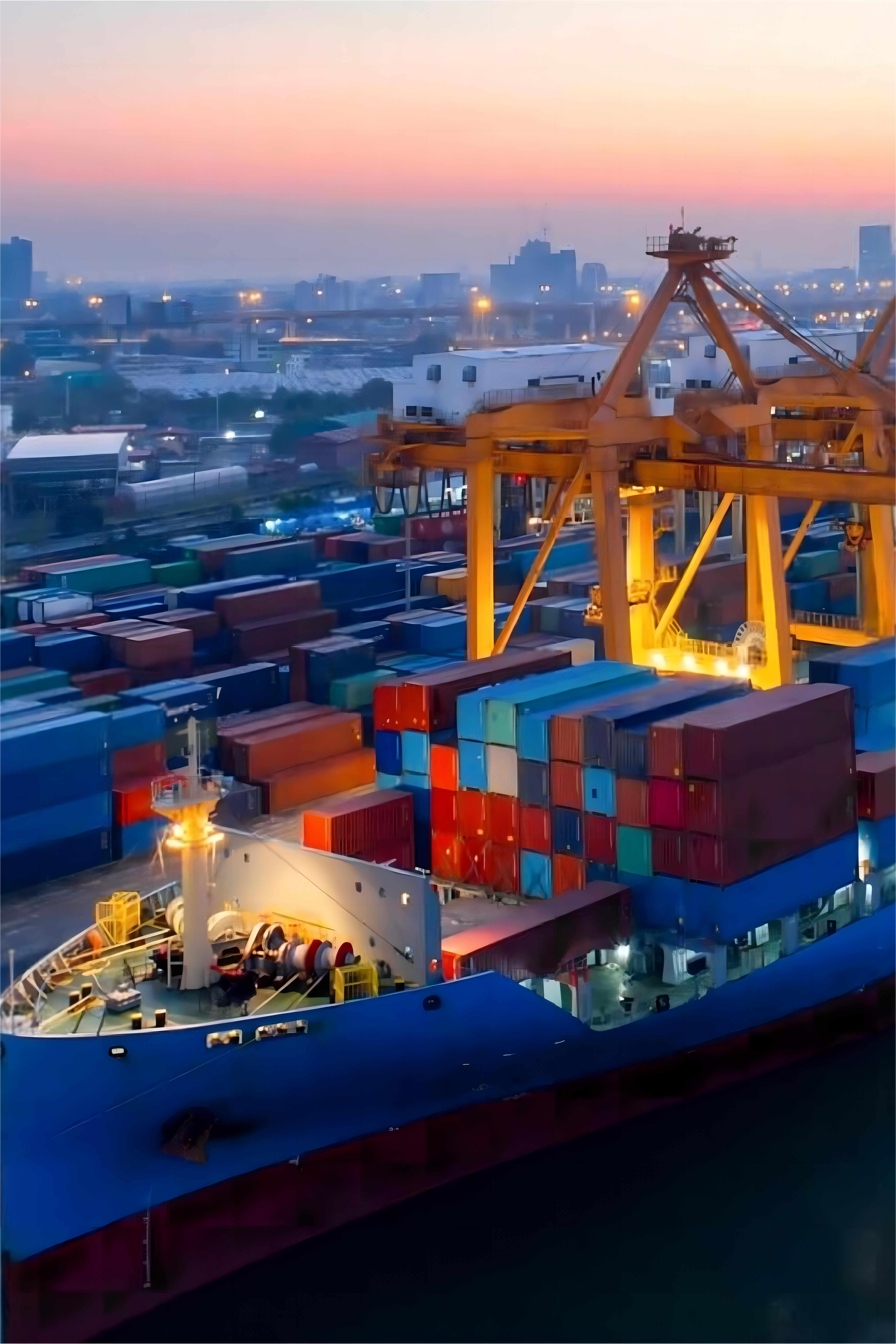
Why Choose FCL Shipping for China to Netherlands Routes?
Full Container Load (FCL) shipping involves reserving an entire container exclusively for your goods. This method is particularly suitable for larger shipments, offering numerous advantages over Less than Container Load (LCL) options.
Primarily, FCL provides enhanced security and reduced handling, as your cargo remains sealed from origin to destination. Moreover, it often results in faster transit times because there are no delays for consolidation or deconsolidation at various hubs.
Choosing FCL for your China to Netherlands route also means greater control over your shipping schedule. You can dictate container loading and departure times, aligning better with your inventory management and delivery schedules. This is crucial for maintaining a robust supply chain.
Ultimately, for businesses with substantial volume, FCL offers a more predictable and often more cost-effective solution per unit, especially when considering the total landed cost. Therefore, understanding the nuances of FCL is key to optimizing your import strategy.
Understanding FCL Shipping Costs from China to Netherlands
The cost of sea freight for FCL shipments from China to the Netherlands can vary significantly. Several factors influence these rates, including the type of container, port of origin, port of destination, and current market conditions.
Typically, a 20GP container will be less expensive than a 40GP or 40HQ. However, the cost per cubic meter often decreases with larger containers, making them more economical for high-volume goods. Furthermore, seasonal demand and fuel surcharges play a considerable role in pricing.
As of Q1 2025, freight rates from major Chinese ports like Shanghai or Ningbo to Rotterdam have stabilized after recent global disruptions. Nonetheless, it is always advisable to obtain a current quote for accurate pricing.
Beyond the ocean freight itself, you must account for various charges. These include origin charges (e.g., terminal handling, documentation), destination charges (e.g., customs clearance, drayage), and potential demurrage or detention fees if there are delays. Understanding these components is vital for a comprehensive cost assessment.
| Container Type | Typical Ocean Freight Cost (USD) | Capacity (CBM) | Best For |
|---|---|---|---|
| 20GP | $1,800 – $2,500 | 28-33 | Heavy, low-volume goods |
| 40GP | $2,800 – $3,800 | 58-68 | Lighter, high-volume goods |
| 40HQ | $3,000 – $4,200 | 68-76 | Bulky, high-volume goods |
Key Factors Influencing FCL Transit Times
The transit time for FCL shipping from China to the Netherlands typically ranges from 28 to 35 days. This duration, however, is not static and can be affected by several operational and external factors.
Firstly, the specific ports of origin and destination influence the route length and potential direct services. For instance, a direct sailing from Shanghai to Rotterdam will generally be faster than a route involving transshipment through another hub like Singapore or Port Klang.
Secondly, carrier schedules and vessel speed play a critical role. Different shipping lines offer varying service levels, with some providing faster, premium services. Furthermore, unexpected delays can occur due to port congestion, adverse weather conditions, or customs inspections.
Consequently, while planning your supply chain, it’s prudent to factor in a buffer for potential delays, especially during peak seasons. Effective communication with your freight forwarder is paramount to staying informed about your shipment’s progress and any unforeseen issues.
Navigating Customs and Documentation for Netherlands Imports
Successful FCL shipping to the Netherlands necessitates meticulous attention to customs procedures and documentation. Non-compliance can lead to significant delays and penalties, impacting your delivery schedule and costs.
Crucially, you will need a comprehensive set of documents for customs clearance. These typically include the commercial invoice, packing list, bill of lading, and potentially a certificate of origin or other specific permits depending on the cargo type. Engaging a professional for customs brokerage is highly recommended.
The Netherlands, as part of the European Union, adheres to EU customs regulations. Therefore, understanding import duties, VAT, and any specific product compliance requirements (e.g., CE marking for electronics) is essential for a smooth process. Proper classification of goods is paramount.
Furthermore, utilizing Incoterms (International Commercial Terms) correctly is vital for defining responsibilities between buyer and seller regarding costs, risks, and documentation. This clarity helps prevent disputes and ensures a streamlined import process for your full container load logistics.
| Document | Purpose | Issuing Party | Notes |
|---|---|---|---|
| Commercial Invoice | Details of goods, value, terms of sale | Exporter | Used for customs valuation |
| Packing List | Itemized list of contents per package | Exporter | Aids in cargo inspection |
| Bill of Lading (B/L) | Contract of carriage, title to goods | Carrier/Freight Forwarder | Crucial for cargo release |
| Certificate of Origin | Confirms country of manufacture | Chamber of Commerce | May impact duties/tariffs |
How Does FCL Shipping Compare to Other Options?
Choosing the right shipping method from China to the Netherlands involves weighing various factors like cost, speed, and cargo volume. While FCL is ideal for large shipments, it’s important to understand its position relative to other viable alternatives.
For smaller volumes, Less than Container Load (LCL) shipping might seem appealing due to lower upfront costs. However, LCL often entails longer transit times and higher per-unit costs because of consolidation and deconsolidation processes. Moreover, FCL offers greater security and less risk of damage due to reduced handling.
Alternatively, for urgent shipments, air freight provides unparalleled speed. Nonetheless, the cost difference is substantial. For example, while FCL sea freight might cost $3,000-$4,200 for a 40HQ container, air freight for the equivalent volume could easily reach $15,000-$25,000, arriving in 5-7 days instead of 30-35 days.
Hybrid solutions, such as sea-air combinations, can offer a middle ground for specific scenarios. This involves shipping by sea to a hub (e.g., Dubai) and then by air to the Netherlands. This option balances speed and cost but adds complexity. Shipping to Europe requires careful consideration of all these methods.
| Shipping Method | Cost Range (40HQ equivalent) | Transit Time | Best For | Limitations |
|---|---|---|---|---|
| FCL Sea Freight | $3,000 – $4,200 | 28-35 days | Large volume, non-urgent, cost-effective | Slower transit, port congestion risk |
| LCL Sea Freight | $50 – $80/CBM (higher per unit) | 35-45 days | Small volume, non-urgent, budget-conscious | Longer transit, more handling, consolidation delays |
| Air Freight | $15,000 – $25,000 | 5-7 days | Urgent, high-value, small/medium volume | High cost, limited by cargo size/weight |
| Rail Freight | $8,000 – $12,000 | 18-22 days | Medium urgency, specific routes, balances cost/speed | Limited routes, capacity constraints, not always door-to-door |
Which Option Should You Choose?
Your decision framework should prioritize key business needs. If budget is your primary concern and time is flexible, FCL sea freight is typically the most economical choice for larger volumes. This method offers the best freight rates for bulk goods.
Conversely, if speed is paramount for high-value or time-sensitive goods, air freight is the undisputed winner despite its higher cost. Consider this for product launches or emergency stock replenishment. For cargo types requiring minimal handling and maximum security, FCL remains superior.
For shipments under 15 CBM, LCL might be considered, but evaluate the trade-offs in transit time and potential for damage. Always assess the volume thresholds for switching methods to ensure cost-efficiency. Ultimately, a detailed logistics strategy tailored to your specific import needs is essential.

Real-World FCL Shipping Scenarios: China to Netherlands
Examining practical examples can illuminate the complexities and successes of FCL shipping. These scenarios highlight how different cargo types and priorities influence the shipping process and outcomes for businesses importing from China.
Based on Q3 2024 market rates, these case studies demonstrate typical operations and costs for various full container load shipments. They showcase the importance of meticulous planning and reliable freight forwarding partners.
Case Study 1: Efficient Electronics Delivery to Rotterdam
Route: Shenzhen, China -> Rotterdam, Netherlands
Cargo: Consumer electronics, 60 CBM, 15,000 kg
Container: 40HQ
Shipping Details: Carrier/Service: Maersk, Port of Loading: Yantian, Port of Discharge: Rotterdam, Route Type: Direct
Cost Breakdown: Ocean Freight: $3,800, Origin Charges (THC, documentation): $450, Destination Charges: $550, Customs & Duties (estimated): $1,200, Total Landed Cost: $6,000
Timeline: Booking to Loading: 5 days, Sea Transit: 32 days, Customs Clearance: 3 days, Total Door-to-Door: 40 days
Key Insight: Strategic carrier choice and pre-cleared documentation ensured a smooth and timely delivery, minimizing port delays in a busy Q1 2025. This exemplifies reliable FCL shipping from China to Netherlands.
Case Study 2: Furniture Import to Amsterdam via Door-to-Door Service
Route: Ningbo, China -> Amsterdam, Netherlands
Cargo: Flat-pack furniture, 65 CBM, 12,000 kg
Container: 40HQ
Shipping Details: Carrier/Service: COSCO, Port of Loading: Ningbo, Port of Discharge: Rotterdam, Route Type: Transshipment via Singapore, Door to Door delivery
Cost Breakdown: Ocean Freight: $4,100, Origin Charges: $500, Destination Charges: $600, Customs & Duties (estimated): $1,500, Drayage & Local Delivery: $800, Total Landed Cost: $7,500
Timeline: Booking to Loading: 7 days, Sea Transit: 38 days, Customs Clearance: 4 days, Total Door-to-Door: 50 days
Key Insight: Despite a transshipment, the integrated door-to-door service managed all logistics, providing end-to-end visibility and reducing client workload. Q4 peak season rates were 15% higher than off-peak.
Case Study 3: Industrial Components to Eindhoven
Route: Qingdao, China -> Eindhoven, Netherlands
Cargo: Industrial machinery components, 25 CBM, 20,000 kg
Container: 20GP
Shipping Details: Carrier/Service: MSC, Port of Loading: Qingdao, Port of Discharge: Rotterdam, Route Type: Direct
Cost Breakdown: Ocean Freight: $2,200, Origin Charges: $380, Destination Charges: $480, Customs & Duties (estimated): $900, Total Landed Cost: $3,960
Timeline: Booking to Loading: 6 days, Sea Transit: 30 days, Customs Clearance: 2 days, Total Door-to-Door: 38 days
Key Insight: The heavy nature of the cargo made a 20GP container the most suitable and cost-effective choice. Early 2025 rates reflected stable market conditions, ensuring predictable shipping costs.
Selecting a Reliable FCL Freight Forwarder
Choosing the right freight forwarder is paramount for ensuring reliable FCL shipping from China to Netherlands. A competent partner can navigate complexities, optimize routes, and manage documentation efficiently.
Look for a forwarder with extensive experience on the China-Europe trade lane and a strong network of carriers. Their ability to secure competitive freight rates and consistent vessel space is a key indicator of reliability.
Furthermore, assess their communication capabilities and technological infrastructure. Real-time tracking and proactive updates are invaluable for managing your supply chain effectively. A forwarder offering services like Amazon FBA or express service might also indicate a broad service portfolio.
Ultimately, a reliable freight forwarder acts as an extension of your logistics team, providing peace of mind and contributing directly to your business’s success in international trade.
Optimizing Your FCL Shipping Strategy
Optimizing your FCL shipping strategy involves more than just selecting the cheapest rate; it requires a holistic approach to your supply chain. Consider consolidating orders to maximize container utilization, thereby reducing per-unit shipping costs.
Moreover, strategic planning around peak seasons and holidays (e.g., Chinese New Year) is crucial. Booking well in advance during these periods can help avoid surcharges and capacity shortages, ensuring your delivery schedule remains on track.
Exploring various Incoterms can also optimize your cost and risk allocation. For instance, moving from Ex-Works to FOB might shift some origin costs to your supplier, potentially reducing your overall landed cost. Regular review of your logistics trends and carrier performance is also beneficial.
Furthermore, maintaining strong relationships with both suppliers and freight forwarders facilitates smoother operations and quicker resolution of any issues. This collaborative approach enhances the overall efficiency and reliability of your full container load logistics.
Market Insights and Future Trends in China-Netherlands Shipping
The shipping landscape from China to the Netherlands is dynamic, influenced by global economic shifts, geopolitical events, and technological advancements. Staying informed about these market insights is crucial for proactive planning.
As of early 2025, market data suggests a continued focus on digitalization in logistics, with more advanced tracking and predictive analytics becoming standard. This enhances transparency and efficiency in cargo handling.
Sustainability is also a growing trend, with increasing demand for eco-friendly shipping options and carriers adopting greener practices. Businesses might soon face pressure to choose carriers with lower carbon footprints.
Industry benchmarks indicate that while freight rates can fluctuate due to factors like fuel costs and capacity, the underlying demand for reliable FCL shipping from China to Netherlands remains strong. Adapting to these trends will be key for future supply chain resilience.
Conclusion: Ensuring Seamless FCL Shipments to the Netherlands
Navigating the complexities of international logistics, particularly <a href=”https://chinatopfreight.com/shipping-from-china-to-europe/”>shipping from China to Europe</a>, demands expertise and foresight. This guide has highlighted the critical aspects of securing reliable FCL shipping from China to Netherlands, from understanding costs and transit times to mastering customs documentation.
By meticulously planning your shipments, selecting a trusted freight forwarder, and staying abreast of market trends, you can ensure your full container load logistics are both efficient and cost-effective. Ultimately, a well-executed FCL strategy is a cornerstone of a successful international supply chain. Note: Freight rates are subject to change based on fuel costs, carrier capacity, and seasonal demand. Contact us for a current quote tailored to your specific shipment.
Need a tailored shipping solution?
Ready to streamline your imports from China to the Netherlands? Contact us today for a personalized quote and discover how our expert FCL shipping solutions can benefit your business. We are committed to providing reliable FCL shipping tailored to your specific needs.