

- By kelly
- October 28, 2025
- Logistics, Tips or Guide
Reliable FCL Shipping from Shenzhen to Belgium: Complete Guide
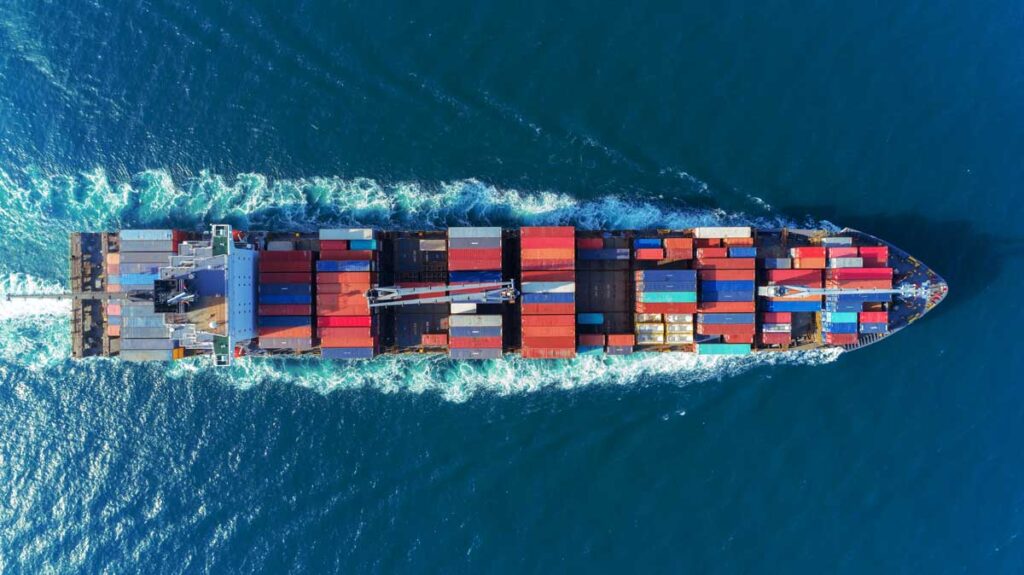
For importers managing large-volume cargo, reliable FCL shipping from Shenzhen to Belgium is one of the most efficient logistics solutions. Unlike LCL (Less-than-Container Load), FCL (Full Container Load) shipping gives you exclusive use of a container, minimizing delays and risks. This guide explains costs, transit times, customs processes, and strategies for streamlining FCL freight from China to Belgium.
1. What Is FCL Shipping and Why Is It Reliable?
FCL shipping means one shipper’s goods occupy an entire container—20ft, 40ft, or 40ft HC.
- Exclusive use: No sharing with other importers.
- Lower risk: Fewer handling points reduce damage.
- Faster clearance: Customs procedures are simpler.
- Scalability: Cost-effective for 15 CBM or more.
When importing from Shenzhen to Belgium, FCL is the preferred choice for electronics, machinery, automotive parts, and furniture.
2. How Does Reliable FCL Shipping from Shenzhen to Belgium Work?
The process follows structured steps:
- Cargo is loaded at supplier’s Shenzhen warehouse.
- Goods are delivered to Shenzhen port (Yantian or Shekou).
- Export customs clearance in China.
- Ocean transport directly to Belgium (Antwerp, Zeebrugge, or Ghent).
- Import clearance at Belgian customs.
- Inland delivery by truck or rail.
This door-to-door chain ensures efficient cargo flow and supply chain stability.
3. What Are the Costs of FCL Shipping?
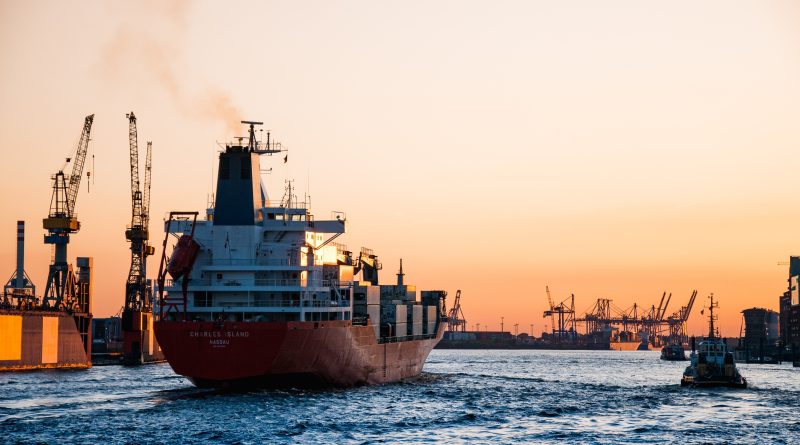
FCL shipping costs depend on container size, route, and seasonal demand.
Estimated FCL Container Pricing (Shenzhen–Belgium)
| Container Size | Avg. Cost | Transit Time | Suitable For |
|---|---|---|---|
| 20ft FCL | $1,200–$1,600 | 28–32 days | 25–28 CBM of goods |
| 40ft FCL | $2,000–$2,600 | 28–32 days | 55–58 CBM of goods |
| 40ft HC | $2,200–$2,900 | 28–33 days | Light, bulky cargo |
Note: Prices vary due to fuel surcharges, peak seasons, and shipping line schedules.
4. How Long Does FCL Shipping Take from Shenzhen to Belgium?
Transit times are generally faster than LCL shipments due to simplified handling.
Transit Time Estimates
| Destination Port | Transit Time (FCL) | Notes |
|---|---|---|
| Antwerp | 28–32 days | Main container port |
| Zeebrugge | 30–34 days | Ideal for car imports |
| Ghent | 30–35 days | Industrial hub |
5. What Customs Documents Are Required?
To ensure smooth clearance in Belgium, accurate documents are critical.
Customs Documents Checklist
| Document | Required | Notes |
|---|---|---|
| Bill of Lading (B/L) | Yes | Carrier-issued |
| Commercial Invoice | Yes | With HS codes and valuation |
| Packing List | Yes | Itemized cargo list |
| Import Declaration | Yes | Filed with Belgian customs |
| EUR.1 Certificate | Conditional | For preferential tariff |
| CE Certificates | Conditional | Electronics, toys, machinery |
Belgium, as part of the EU, applies import duties + 21% VAT on most shipments.
6. Why Choose Reliable FCL Shipping over LCL?
- Predictable transit: No delays from cargo consolidation.
- Lower handling: Reduced damage or loss risks.
- Cost-effective for larger loads: Above 15 CBM, FCL is cheaper.
Comparison Table: FCL vs LCL
| Criteria | FCL Shipping | LCL Shipping |
|---|---|---|
| Cost Efficiency | Best for >15 CBM | Best for <15 CBM |
| Customs | Simplified | Shared clearance |
| Risk of Delay | Lower | Higher (waiting for consolidation) |
| Damage Risk | Minimal | Higher (shared space) |
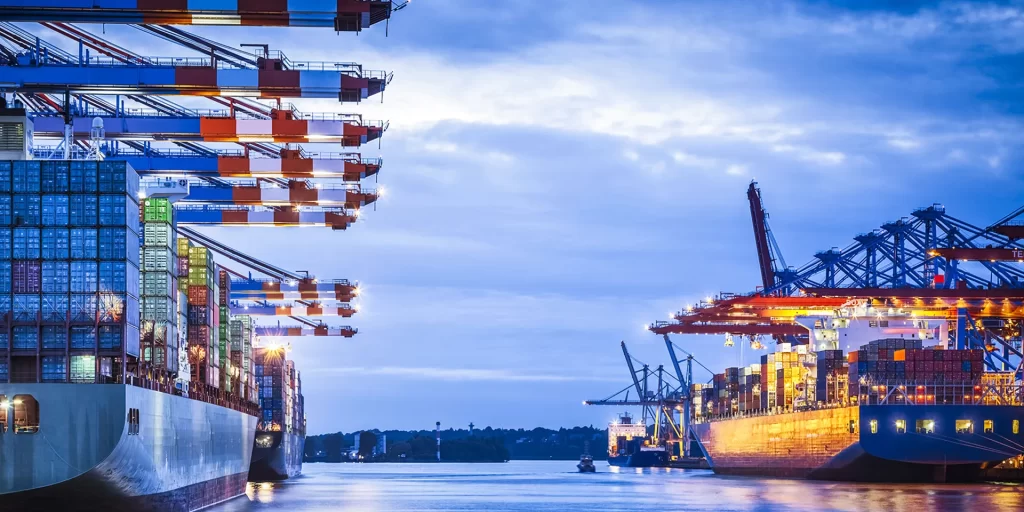
7. How Does FCL Compare with Air and Rail Freight?
Pros and Cons: Shipping Modes from Shenzhen to Belgium
| Mode | Cost | Transit | Pros | Cons |
|---|---|---|---|---|
| FCL Sea | $1,200–$2,900/container | 28–33 days | Cost-efficient, high capacity | Slower than air |
| Air Freight | $6–9/kg | 5–8 days | Fastest, secure | Expensive |
| Rail Freight | $160–200/CBM | 20–25 days | Faster than sea, balanced cost | Limited routes |
8. Can FCL Shipping Be Used for Amazon FBA Deliveries?
Yes. Many forwarders offer Amazon FBA prep and delivery services. Containers are unloaded in Belgium, cleared at customs, and goods are delivered to Amazon FBA warehouses across Europe, including Germany and France via Belgium.
9. How to Reduce FCL Shipping Costs?
Importers can lower costs by:
- Booking early during peak seasons.
- Consolidating orders to maximize container space.
- Negotiating long-term contracts with forwarders.
- Choosing Antwerp for faster customs processing.
10. What Are the Common Challenges?
Despite its benefits, FCL shipping can face:
- Port congestion delaying unloading.
- Customs inspections adding costs.
- Seasonal demand spikes raising rates.
- Detention charges if containers aren’t returned on time.
Working with reliable forwarders helps minimize these issues.
11. Why Work with a Professional Freight Forwarder?
A trusted logistics partner ensures:
- Competitive container rates.
- Expert customs clearance in Shenzhen and Belgium.
- End-to-end tracking and visibility.
- Flexible solutions including door-to-door and Amazon FBA.
📦Get a Free Quote
If you’re looking for reliable FCL shipping from Shenzhen to Belgium, our team provides transparent pricing, on-time delivery, and complete customs support. Contact us today for a tailored shipping solution.
❓ Frequently Asked Questions
Q1: How much does FCL shipping from Shenzhen to Belgium cost?
Rates range from $1,200–1,600 for 20ft containers to $2,200–2,900 for 40ft HC, depending on season and carrier.
Q2: How long does FCL shipping take to Belgium?
Transit usually takes 28–33 days, depending on the destination port (Antwerp, Zeebrugge, or Ghent) and customs clearance.
Q3: What documents are required for FCL shipping to Belgium?
You need a Bill of Lading, Commercial Invoice, Packing List, Import Declaration, and CE certificates for regulated goods.
Q4: Is FCL cheaper than LCL for large shipments?
Yes. For shipments over 15 CBM, FCL is more cost-efficient and reduces the risk of damage or customs delays.
Q5: Which Belgian ports are most commonly used for FCL shipments?
Antwerp is the main hub, while Zeebrugge and Ghent are used for specialized cargo like cars or industrial goods.
Conclusion
For businesses importing in bulk, reliable FCL shipping from Shenzhen to Belgium offers the best mix of cost efficiency, speed, and reliability. With exclusive use of containers, simplified customs, and strong port infrastructure in Belgium, FCL ensures your supply chain runs smoothly.
By partnering with an experienced freight forwarder, you gain transparent pricing, fewer risks, and professional customs support—making FCL the strategic choice for large-scale imports.