

- By kelly
- October 30, 2025
- Logistics, Tips or Guide
Reliable FCL Shipping from Shenzhen to Germany
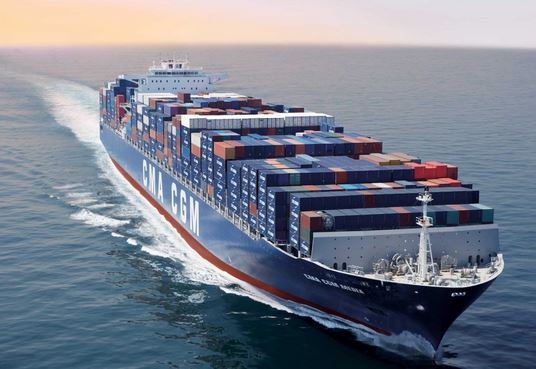
For companies importing from China, consistency and cost efficiency are vital. When shipments are large enough to fill a container, reliable FCL shipping from Shenzhen to Germany becomes the best solution. It reduces risks, simplifies customs clearance, and ensures steady supply chains. With the right freight partner, your business benefits from predictable schedules, transparent pricing, and hassle-free logistics.
1. What Is FCL Shipping and Why Choose It?
FCL, or Full Container Load, means one shipper occupies the entire container. Unlike LCL, there’s no cargo mixing, reducing risks and delays.
Advantages include:
- Fixed rates per container rather than per cubic meter.
- Lower risk of damage since goods aren’t shared.
- Faster customs clearance with simplified documentation.
- Suitable for bulky, heavy, or consistent cargo flows.
2. How Long Does FCL Shipping from Shenzhen to Germany Take?
Transit times vary depending on port pairings, carrier schedules, and customs.
| Route | Transit Time | Customs Clearance (avg.) | Notes |
|---|---|---|---|
| Shenzhen → Hamburg | 28–32 days | 2–4 days | Major trade lane, high frequency |
| Shenzhen → Bremerhaven | 29–33 days | 2–5 days | Common for automotive shipments |
| Shenzhen → Wilhelmshaven | 30–34 days | 2–5 days | Modern port, less congestion |
| Air Freight (for ref.) | 5–8 days | 1–2 days | Much faster but costly |
| Rail Freight (for ref.) | 18–22 days | 2–3 days | Via Yiwu–Duisburg route |
3. What Documents Are Needed for Germany Customs Clearance?
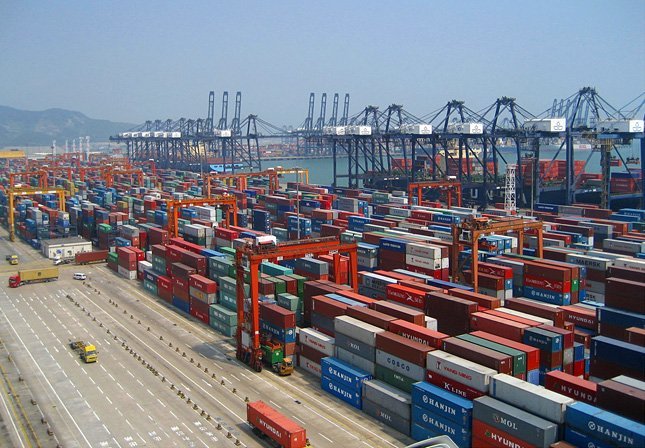
Accurate documentation is the key to smooth customs processes in the EU.
| Document | Purpose |
|---|---|
| Commercial Invoice | Declares cargo value and HS codes. |
| Packing List | Provides itemized cargo weights and dimensions. |
| Bill of Lading (B/L) | Legal contract of carriage. |
| Certificate of Origin | Required for tariff preferences. |
| Import Licenses | Needed for restricted or controlled goods. |
| EUR.1 / ATR Certificates | Allow reduced or zero tariffs under trade agreements. |
4. How Much Does FCL Shipping Cost from Shenzhen to Germany?
Costs depend on seasonality, carrier, and container type.
| Container Type | Avg. Rate (USD) | Notes |
|---|---|---|
| 20’ Standard | $1,500–$2,200 | Suitable for smaller but heavy cargo |
| 40’ Standard | $2,500–$3,800 | Best for bulk or large shipments |
| 40’ High Cube | $2,800–$4,000 | Extra height for oversized cargo |
| Reefer 40’ | $4,000–$6,000 | Refrigerated goods, higher operational costs |
Rates fluctuate with market demand and fuel surcharges.
5. What Duties and Taxes Apply When Importing to Germany?
Germany, as an EU member, applies common tariffs.
| Charge Type | Typical Rate | Notes |
|---|---|---|
| Import Duty | 0–12% depending on HS code | Some industrial goods are duty-free |
| VAT (MwSt) | 19% standard, 7% reduced | Applied on CIF value + duties |
| Customs Fees | €50–150 per entry | Paid to brokers or forwarders |
| Port Charges | Varies by terminal, €100–250 | Handling and unloading |
6. Why Is Shenzhen the Best Export Hub for Germany?
- High-capacity ports: Yantian, Shekou, Chiwan.
- Integrated logistics: Advanced infrastructure for container handling.
- Manufacturing center: Electronics, auto parts, textiles, machinery dominate exports.
- Frequent sailings: Direct routes to Hamburg and Bremerhaven ensure schedule stability.
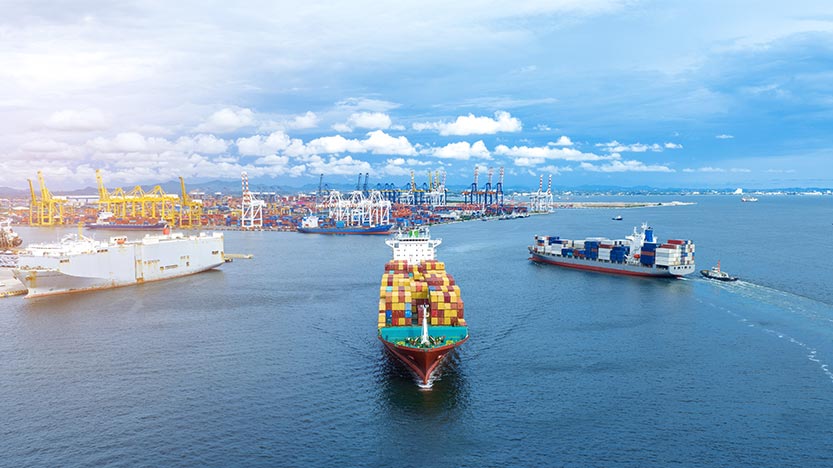
7. How Do You Pick a Reliable FCL Shipping Partner?
Consider the following when selecting your freight forwarder:
- Proven track record with China–Germany trade lanes.
- Transparent and competitive FCL rates.
- Digital shipment tracking and updates.
- In-house customs clearance or licensed partners.
- Options for multimodal solutions (rail + sea).
8. How Does FCL Compare to Other Shipping Methods?
| Mode | Cost Estimate | Transit Time | Pros | Cons |
|---|---|---|---|---|
| FCL Sea Freight | $1,500–$4,000/container | 28–34 days | Secure, cost-effective, predictable | Longer lead times |
| LCL Sea Freight | $40–70/cbm | 32–40 days | Flexible, cheap for small cargo | Slower, higher risk |
| Air Freight | $5–9/kg | 5–8 days | Fastest, reliable | High cost |
| Rail Freight | $4–7/kg | 18–22 days | Eco-friendly, faster than sea | Route limitations |
| Courier Express | $8–15/kg | 3–5 days | Door-to-door, easiest | Costly for bulk cargo |
9. What Challenges Do Importers Face with FCL Shipping?
- Port congestion during peak seasons.
- Incorrect HS codes leading to unexpected duties.
- Customs delays for incomplete documents.
- Rising fuel surcharges affecting overall freight rates.
- Demurrage charges if containers aren’t cleared on time.
10. How Can Businesses Avoid Delays and Extra Costs?
- Double-check invoices and HS codes.
- Book containers early during peak shipping seasons.
- Pre-pay duties and VAT to avoid clearance delays.
- Use experienced customs brokers for Germany.
- Track shipments digitally to anticipate bottlenecks.
11. Should You Pick FCL, LCL, or Air Freight?
- FCL: Best for stable, large-volume shipments.
- LCL: Practical for small cargo with cost sharing.
- Air: For urgent, lightweight, or high-value goods.
- Rail: A sustainable alternative for medium-sized cargo.
📦Get a Free Quote
Whether you are shipping machinery, electronics, or consumer goods, reliable FCL shipping from Shenzhen to Germany is the cornerstone of smooth supply chains. By choosing trusted partners, you ensure steady costs, predictable transit times, and professional customs support. Contact us today for competitive rates and seamless logistics solutions.
❓ Frequently Asked Questions
1. How long does FCL shipping from Shenzhen to Germany take?
Generally 28–34 days by sea. Customs clearance adds 2–5 days depending on port and paperwork accuracy.
2. How much does a 40’ container cost from Shenzhen to Germany?
On average USD 2,500–3,800, depending on season, carrier, and surcharges.
3. Do I need a customs broker in Germany?
Strongly recommended. Brokers handle EU declarations, VAT payments, and inspections, avoiding clearance delays.
4. Can I track my container in real time?
Yes, most forwarders provide digital tracking for milestones such as loading, transit, and port arrival.
5. What products are best suited for FCL shipping?
Electronics, machinery, textiles, auto parts, and bulk consumer goods benefit from full container shipping.
Conclusion
The reliable FCL shipping from Shenzhen to Germany route offers businesses a dependable way to manage large cargo volumes. With competitive container rates, predictable schedules, and simplified customs clearance, FCL remains the backbone of Sino-German trade. Partnering with a trusted freight forwarder ensures smooth operations, reduced risks, and optimized delivery schedules.