

- By kelly
- November 13, 2025
- Logistics, Tips or Guide
Reliable Rail Freight from Shenzhen to Germany: Complete Guide for 2025
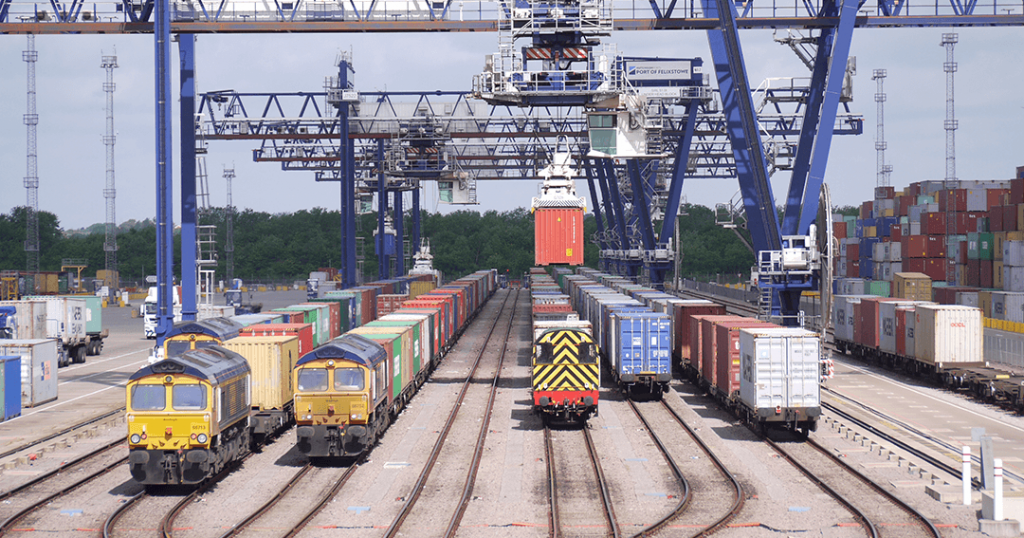
Rail transport has become one of the most efficient ways to ship goods between China and Europe. Importers seeking stable schedules, predictable shipping costs, and fast delivery increasingly prefer reliable rail freight from Shenzhen to Germany, especially when working with professional forwarders like ChinaTopFreight. This guide explains every detail you need to know to ship efficiently, safely, and affordably.
1. What Makes Reliable Rail Freight from Shenzhen to Germany a Top Choice?
Rail freight offers faster transit times than sea freight while maintaining significantly lower costs than air freight. Moreover, it provides greater schedule stability, which is essential for businesses relying on consistent delivery schedules and streamlined supply chain operations.
Key Benefits
- Faster transit than sea
- Lower cost than air
- Stable weekly departures
- Environmentally friendly logistics
- Suitable for general and high-value cargo
Because China–Europe rail corridors continue expanding, more companies choose this method to balance cost, time, and reliability.
2. How Does Rail Freight Work From Shenzhen to Germany?
Although the route is long, the rail process is surprisingly smooth. Cargo typically travels from Shenzhen to major China–Europe rail hubs like Xi’an, Chengdu, or Chongqing before departing toward Germany through the China–Europe Railway Express.
Step-by-Step Rail Workflow
- Cargo pickup or supplier delivery
- Consolidation at Shenzhen warehouse
- Transfer to inland rail hub
- Customs and security checks
- Rail departure via China–Europe corridor
- Arrival at German terminals
- Customs clearance and final delivery
Because each step is managed professionally, rail freight remains consistent and dependable for international shipments.
3. How Much Does Rail Freight from Shenzhen to Germany Cost?
Rail freight pricing depends on cargo type, weight, route, and urgency. Nevertheless, rail remains more cost-effective than air and faster than sea.
Rail Freight Cost Estimates
| Weight / Volume | Estimated Cost (USD) | Notes |
|---|---|---|
| 50–500 kg | $2.0–$3.2 per kg | Cheaper than air express |
| 0.5–2 CBM | $180–$320 per CBM | Consolidated cargo |
| 3–8 CBM | $150–$280 per CBM | Better pricing |
| 9+ CBM | $120–$250 per CBM | Similar to LCL sea freight |
These cost ranges help importers plan budgets and optimize their freight strategies.
4. What is the Transit Time for Rail Freight to Germany?
One of the biggest advantages of rail transport is speed. Rail shipments usually take 13–18 days, depending on hub, route, and customs processing.
Transit Time Table — Major German Destinations
| Destination | Estimated Transit Time | Notes |
|---|---|---|
| Duisburg | 13–17 days | Main China–Europe rail hub |
| Hamburg | 15–18 days | Direct or indirect lines |
| Munich | 16–19 days | Additional inland trucking |
| Berlin | 14–18 days | Popular for e-commerce |
Rail freight offers the perfect balance of speed and cost for medium-urgency shipments.
5. What Documents Do You Need for Rail Freight from Shenzhen to Germany?
Because shipments enter the European Union, correct documentation is essential.
Customs Documents Checklist
| Document | Required? | Purpose |
|---|---|---|
| Commercial Invoice | ✔ | Declares goods’ value |
| Packing List | ✔ | Details item quantities |
| Rail Waybill | ✔ | Evidence of transport |
| Importer’s EORI Number | ✔ | Required for EU imports |
| CE Certificates | ▲ | Needed for electronics, toys |
| MSDS or UN Codes | ▲ | For dangerous goods |
| Power-of-Attorney | ✔ | Authorizes customs broker |
With complete paperwork, customs clearance becomes faster and smoother.
6. What Goods Are Suitable for Reliable Rail Freight to Germany?
Rail freight is highly flexible and supports a wide range of products.
Common Cargo Types
- Electronics and mobile accessories
- Automotive parts
- Industrial machinery
- Consumer goods
- Textiles and clothing
- Small appliances
- E-commerce parcels
Additionally, temperature-controlled goods, batteries (with certification), and high-value cargo can also be shipped under certain conditions.
7. How Does Rail Freight Compare to Air and Sea Freight?
To help businesses select the best method, the comparison below highlights major differences.
Shipping Method Comparison Table
| Shipping Method | Cost | Transit Time | Best For | Pros | Cons |
|---|---|---|---|---|---|
| Rail Freight | Medium | 13–18 days | Medium-urgency cargo | Balance of speed/cost, stable schedules | Limited capacity during peak seasons |
| Air Freight | High | 3–7 days | Urgent goods | Fastest | Expensive |
| Sea Freight | Low | 28–40 days | Large shipments | Cheapest | Slowest |
Rail remains the most balanced solution for many importers shipping to Germany.
8. How to Reduce Costs for Rail Freight from Shenzhen to Germany?
Importers can reduce costs with simple optimizations:
- Consolidate multiple shipments
- Avoid peak seasons (Q4, CNY)
- Use standard pallet sizes
- Provide correct HS codes and documents
- Choose the most efficient rail hub based on your route
Because mistakes increase customs time, accuracy greatly improves cost efficiency.
9. What Are the Main Rail Hubs Between China and Germany?
Several hubs support the China–Europe railway network, improving flexibility for shippers.
Major China Hubs
- Xi’an
- Chongqing
- Chengdu
- Zhengzhou
- Wuhan
Major German Hubs
- Duisburg
- Hamburg
- Munich
- Leipzig
- Frankfurt
These hubs maintain consistent weekly schedules to support reliable deliveries.
10. Why Choose Shenzhen as the Origin for Rail Freight?
Shenzhen has long been a logistics center for manufacturing industries in southern China. Moreover, it offers:
- Strong consolidation services
- Flexible trucking to rail hubs
- High-quality packing and warehousing
- Faster cargo handling
- Stable connections to all China–Europe rail lines
As a result, Shenzhen is one of the most efficient export origins for German-bound freight.
📦Get a Free Quote
For stable schedules, competitive pricing, and professional handling, choose ChinaTopFreight for reliable rail freight from Shenzhen to Germany. Our team offers full support—including quotation, consolidation, customs clearance, and final delivery—to make your supply chain faster and smoother. Contact us today for a tailored shipping plan.
❓ Frequently Asked Questions
1. How much does reliable rail freight from Shenzhen to Germany cost?
Rail freight usually costs $2.0–$3.2 per kg or $150–$300 per CBM, depending on volume, route, and season.
2. What is the transit time for rail freight?
Transit time is typically 13–18 days, depending on departure hub, customs checks, and route conditions.
3. What goods are suitable for rail freight?
Electronics, machinery, consumer goods, auto parts, and most general cargo are suitable for rail freight shipping.
4. Do I need an EORI number for Germany?
Yes, all importers must have an EORI number for customs clearance when importing goods into Germany or the EU.
5. Is rail freight environmentally friendly?
Yes, rail freight produces significantly lower emissions compared to air transport and is considered eco-friendly.
Conclusion
Choosing reliable rail freight from Shenzhen to Germany gives businesses a strategic advantage in cost, speed, and logistics efficiency. With stable weekly schedules, predictable transit times, and lower carbon output, rail freight is one of the most balanced shipping methods for China–Germany trade. Working with a trusted freight forwarder like ChinaTopFreight ensures accurate documentation, professional handling, and end-to-end support, helping your supply chain operate smoothly and competitively.