

- By kelly
- October 11, 2025
- Logistics, Tips or Guide
Reliable Rail Freight from Shenzhen to Italy: The Complete Guide
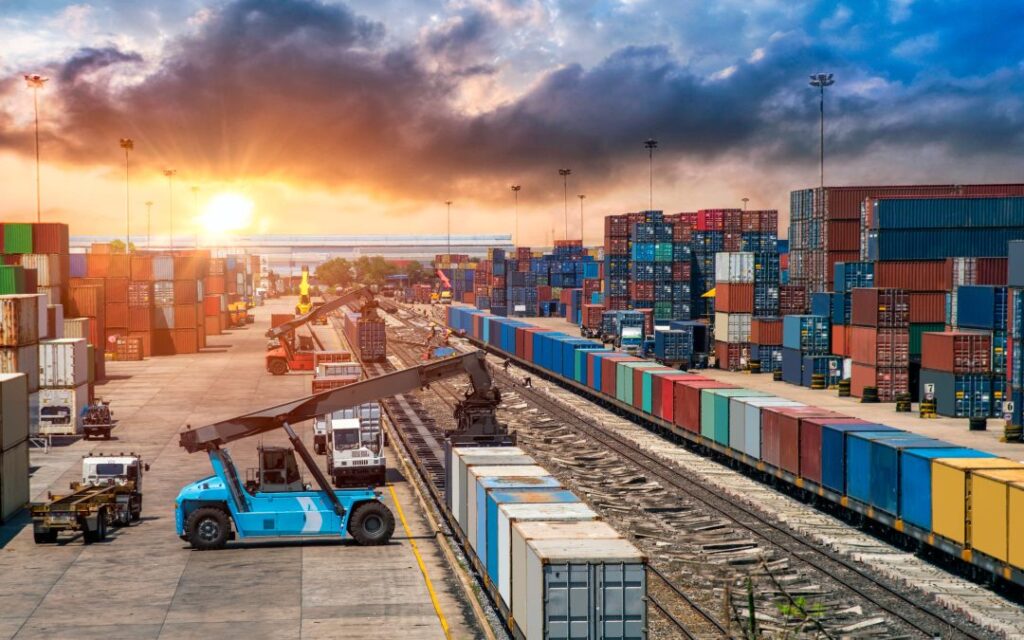
Global trade between China and Europe continues to expand, and many businesses now seek reliable rail freight from Shenzhen to Italy as a faster and cost-effective alternative to sea freight. While air freight offers speed and sea freight remains the cheapest, rail freight provides an ideal balance—shorter transit times than sea and lower costs than air. This guide explores costs, transit times, customs clearance, and key tips to optimize your logistics when shipping via the China–Europe rail corridor.
1. Why Consider Rail Freight from Shenzhen to Italy?
Choosing rail freight can address many pain points faced by importers and exporters:
- Speed: Transit is faster than sea freight, averaging 18–22 days.
- Cost savings: Significantly cheaper than air freight, especially for medium to large volumes.
- Eco-friendly option: Lower carbon footprint compared to air.
- Reliable schedules: Fixed rail departures reduce uncertainty.
Therefore, rail freight is increasingly attractive for businesses needing reliable supply chains across Asia and Europe.
2. How Fast is Rail Freight from Shenzhen to Italy?
Transit times are a major advantage of rail freight. While sea shipments may take over a month, rail routes through Central Asia and Eastern Europe reduce delivery times substantially.
| Route | Transit Time (Rail) | Notes |
|---|---|---|
| Shenzhen → Milan | 18–20 days | Direct rail connection |
| Shenzhen → Rome | 20–22 days | Includes feeder trucking |
| Shenzhen → Bologna | 19–21 days | Major logistics hub |
Compared with sea freight (30–35 days) and air freight (5–7 days), rail freight offers the best balance of speed and affordability.
3. What Does Rail Freight Cost?
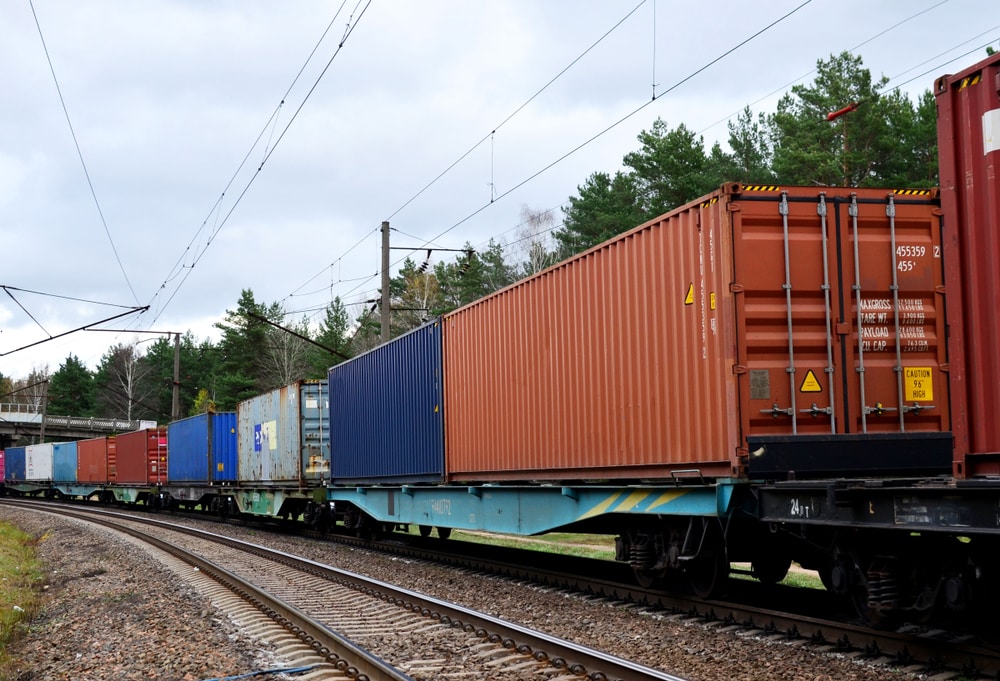
Rail freight pricing is influenced by container type, commodity, and fuel surcharges. Below are estimated average rates for 2025:
| Container Size | Average Cost (USD) | Best Suited For |
|---|---|---|
| 20GP | $6,000 – $6,800 | Small-medium shipments |
| 40GP | $9,800 – $11,200 | General goods |
| 40HQ | $10,000 – $11,500 | Lightweight but high-volume goods |
Although rail costs more than sea freight, businesses often find the time savings and reliability justify the investment.
4. What Customs Documents Do You Need for Italy?
Efficient customs clearance is vital for reliable rail freight from Shenzhen to Italy. Importers must prepare:
| Document | Purpose |
|---|---|
| Bill of Lading (Rail Waybill) | Proof of shipment and ownership |
| Commercial Invoice | Declares value for tax calculation |
| Packing List | Details cargo contents and weights |
| Certificate of Origin | Verifies country of manufacture |
| Import Licenses | Required for regulated goods |
| HS Codes | Determines tariffs and duties |
Pro Tip: Ensure invoices and HS codes are accurate to avoid unnecessary inspections at Italian customs.
5. How Does Rail Compare to Sea and Air Freight?
To evaluate whether rail freight suits your business, compare all three methods.
| Method | Cost | Transit Time | Pros | Cons |
|---|---|---|---|---|
| Rail Freight | Moderate | 18–22 days | Balanced speed & cost, eco-friendly | Limited routes |
| Sea Freight | Low | 30–35 days | Cheapest for large cargo | Longer delivery time |
| Air Freight | High | 5–7 days | Fastest | Expensive for heavy loads |
Therefore, companies seeking faster delivery than sea freight—but lower costs than air—choose rail.
6. Which Goods Are Ideal for Rail Freight?
Not all cargo types are suited for rail. Generally, rail is excellent for:
- Electronics
- Machinery and parts
- Automotive components
- Clothing and textiles
- Household goods
However, hazardous chemicals and oversized equipment may face restrictions. Always consult your forwarder.
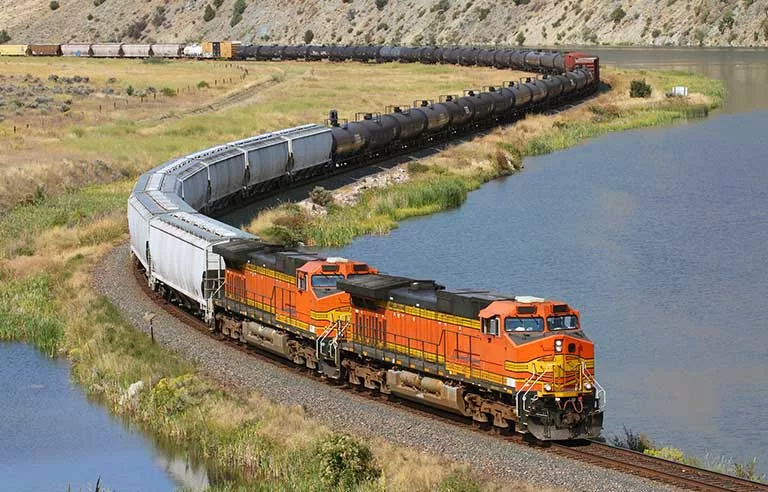
7. How Does the China–Europe Rail Corridor Work?
Rail freight from Shenzhen to Italy typically passes through:
- China (Shenzhen to Xi’an or Chengdu terminals)
- Kazakhstan and Central Asia transit
- Russia or alternative routes through Turkey
- Eastern Europe entry (Poland, Hungary, or Slovakia)
- Final delivery into Italy (Milan, Rome, Bologna)
Multiple rail operators and hubs ensure flexibility, but route choice may affect transit time.
8. Can You Ship Door-to-Door with Rail Freight?
Yes. Many logistics providers offer door-to-door rail freight from Shenzhen to Italy, covering:
- Factory pickup in Shenzhen.
- Rail transport to Europe.
- Customs clearance in both countries.
- Final trucking to Italian warehouses or distribution centers.
This integrated solution simplifies logistics and reduces delays.
9. How Do Incoterms Impact Rail Freight?
Incoterms define responsibilities between buyer and seller. Common ones for rail freight include:
- FOB (Free on Board): Buyer assumes transport cost after departure.
- CIF (Cost, Insurance, Freight): Seller covers freight until Europe.
- DAP/DDP (Delivered at Place/Duty Paid): Seller handles everything, ideal for first-time importers.
Selecting the right Incoterm reduces disputes and clarifies costs.
10. What Are the Pros and Cons of Rail Freight?
| Pros | Cons |
|---|---|
| Faster than sea freight | More costly than sea |
| Lower cost than air freight | Limited capacity |
| Eco-friendly | Possible delays due to route geopolitics |
| Regular departures | Restricted hazardous cargo |
📦Get a Free Quote
Before moving to the FAQ section, remember that securing reliable rail freight from Shenzhen to Italy requires more than finding the lowest rate. Partnering with an experienced freight forwarder ensures accurate customs clearance, timely bookings, and seamless delivery. Contact us today to request a tailored solution that matches your cargo needs.
❓ Frequently Asked Questions
1. How long does rail freight from Shenzhen to Italy take?
Average transit is 18–22 days depending on the destination city. Choosing direct routes and preparing documents in advance reduces delays.
2. What is the cost of a 40HQ container by rail?
Rates typically range between $10,000–$11,500 in 2025. Prices vary based on fuel surcharges, route selection, and container availability.
3. Can I ship electronics by rail to Italy?
Yes. Electronics are among the most common rail freight commodities. However, ensure compliance with EU regulations and CE marking.
4. Is rail freight more reliable than sea freight?
Rail offers more predictable transit schedules than sea freight. While sea is cheaper, rail reduces delays caused by port congestion.
5. Do I need a customs broker for Italy imports?
While not mandatory, using a customs broker is highly recommended. They ensure smooth clearance, accurate duties, and compliance with EU laws.
Conclusion
In today’s competitive logistics landscape, reliable rail freight from Shenzhen to Italy is a smart solution for businesses seeking faster delivery than sea freight and more affordable rates than air freight. With transit times averaging 18–22 days, moderate costs, and efficient customs clearance, rail freight is ideal for electronics, machinery, textiles, and more.
By choosing the right Incoterms, preparing documents in advance, and working with a professional freight forwarder, importers can minimize risks and maximize efficiency. Rail freight offers the best of both worlds—speed and affordability—making it a strong option for expanding China–Italy trade.