

- By kelly
- September 30, 2025
- Logistics, Tips or Guide
Reliable Rail Freight from Shenzhen to France
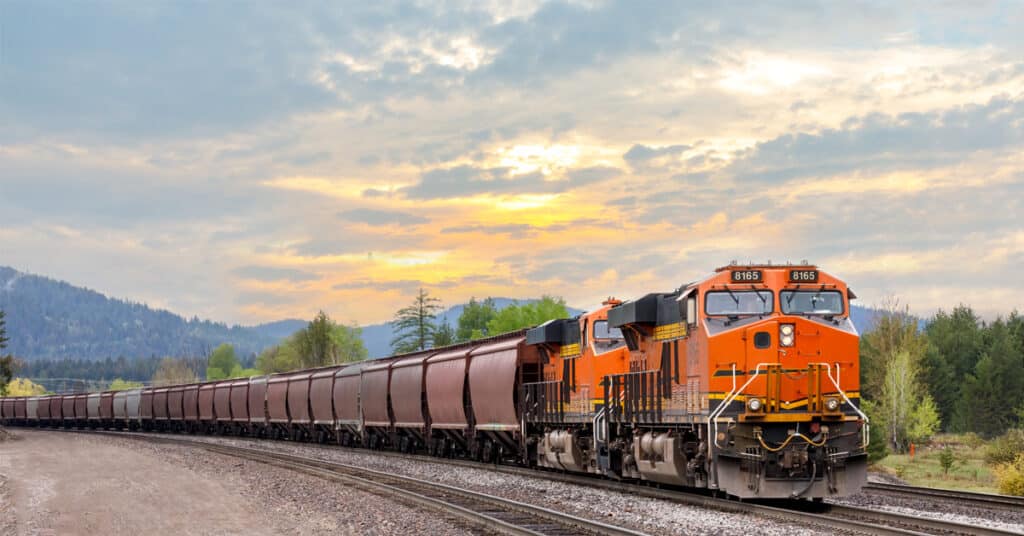
Businesses seeking a dependable logistics solution often look for reliable rail freight from Shenzhen to France. With growing demand for faster, cost-effective alternatives to sea and air transport, rail freight has emerged as a strong choice. However, many importers still face challenges with shipping costs, customs clearance, and delivery schedules. This guide will provide clarity and help you make the best decision.
What Makes Rail Freight from Shenzhen to France Reliable?
Rail freight combines cost efficiency with faster transit times compared to sea freight. Moreover, it ensures consistent delivery schedules thanks to established routes such as the China–Europe Railway Express. Therefore, companies can trust it for supply chain stability.
How Does Rail Freight Compare with Sea and Air Shipping?
Choosing between sea, air, and rail freight depends on your budget, cargo type, and urgency. The table below highlights the differences:
| Shipping Method | Average Transit Time | Cost Level | Best For | Pros | Cons |
|---|---|---|---|---|---|
| Rail Freight | 18–22 days | Medium | General cargo, electronics, consumer goods | Balance of cost & speed, eco-friendly | Limited capacity, customs checks |
| Sea Freight | 35–45 days | Low | Bulk shipments, oversized cargo | Cheapest option, high volume capacity | Slow delivery, port congestion |
| Air Freight | 5–7 days | High | Urgent, perishable, high-value cargo | Fastest transit, reliable schedules | Expensive, limited space |
Why Choose Shenzhen as the Starting Point?
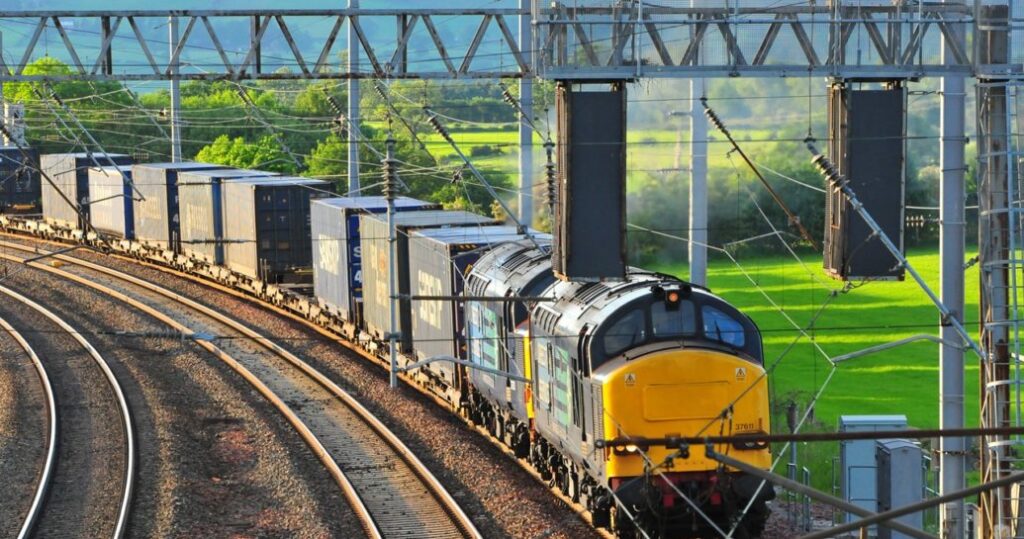
Shenzhen is one of China’s largest manufacturing hubs, producing electronics, textiles, and machinery. Additionally, it has advanced rail connections to Europe. Therefore, shipping directly from Shenzhen to France reduces domestic transport costs and accelerates overall delivery.
What Are the Average Rail Freight Costs from Shenzhen to France?
Rail freight costs are influenced by weight, volume, and delivery terms (FCL vs. LCL). Below is a general estimate:
| Cargo Type | Pricing (USD/CBM or per Container) | Notes |
|---|---|---|
| LCL (Less than Container Load) | $120–$150 per CBM | Suitable for smaller shipments |
| FCL 20ft Container | $4,000–$5,200 | Cost varies by carrier and peak season |
| FCL 40ft Container | $6,800–$8,200 | Economical for bulk cargo |
Note: Prices fluctuate due to fuel surcharges, seasonal demand, and customs regulations.
How Long Does Rail Freight from Shenzhen to France Take?
Transit time is usually 18–22 days, depending on the route and customs clearance speed. Below is a comparison with key destinations in France:
| Destination in France | Estimated Transit Time (Days) | Notes |
|---|---|---|
| Paris | 18–20 | Direct service available |
| Lyon | 20–22 | Requires inland trucking |
| Marseille | 21–23 | Extended via southern corridor |
What Customs Documents Are Required?
To avoid delays, businesses must prepare all necessary documentation.
| Document | Purpose |
|---|---|
| Commercial Invoice | Proof of transaction |
| Packing List | Details of goods shipped |
| Bill of Lading / Rail Waybill | Transport contract |
| Certificate of Origin | Required for tariff benefits |
| Import Licenses (if applicable) | For restricted goods |
| Customs Declaration Form | Mandatory for clearance |
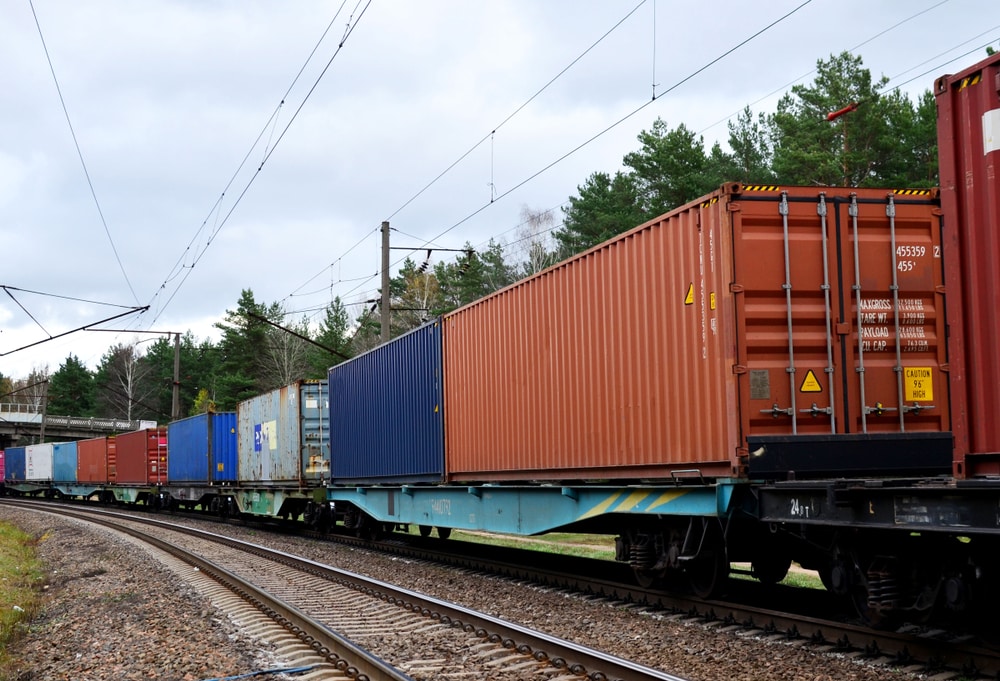
Can Rail Freight Handle Perishable or Fragile Goods?
Yes, but with conditions. Perishable goods require temperature-controlled containers, while fragile goods must be packaged securely. However, it may not be as fast as air freight, so time-sensitive products should be carefully evaluated.
Should You Choose FCL or LCL for Rail Freight?
- FCL (Full Container Load): Best for bulk shipments, provides exclusivity, reduces handling.
- LCL (Less than Container Load): Ideal for small shipments, cost shared with others, but involves more handling.
What Are the Pros and Cons of Rail Freight Compared to Other Methods?
| Mode | Pros | Cons |
|---|---|---|
| Rail Freight | Reliable, eco-friendly, faster than sea freight | Limited flexibility, customs checks |
| Sea Freight | Cheapest for large volumes | Slow, vulnerable to congestion |
| Air Freight | Fastest, reliable for urgent cargo | High cost, limited capacity |
How to Reduce Rail Freight Costs?
- Plan Ahead: Avoid peak seasons like Chinese New Year.
- Consolidate Shipments: Use LCL for small loads to share costs.
- Choose the Right Forwarder: A reliable partner ensures better rates and fewer delays.
- Optimize Packaging: Reduce volume to lower CBM charges.
How to Select a Reliable Rail Freight Forwarder?
- Proven experience in China–Europe trade routes
- Transparent pricing without hidden fees
- Strong network in Shenzhen and France
- Digital tracking and regular updates
- Assistance with customs clearance and documentation
📦Get a Free Quote
Efficient reliable rail freight from Shenzhen to France is essential for businesses balancing cost, speed, and reliability. Partnering with an experienced freight forwarder ensures smooth customs clearance, accurate transit schedules, and competitive pricing. Request a quote today to streamline your supply chain with confidence.
❓ Frequently Asked Questions
Q1: How reliable is rail freight from Shenzhen to France?
Rail freight is highly reliable, with consistent schedules and fewer disruptions compared to sea freight. It offers balanced costs and transit times.
Q2: What is the average cost of rail freight per CBM?
The average cost ranges from $120–$150 per CBM for LCL shipments, depending on weight, volume, and seasonal surcharges.
Q3: Can I ship hazardous goods via rail freight?
Yes, hazardous goods can be shipped, but only with proper licenses, packaging, and adherence to international transport regulations.
Q4: How do customs clearance procedures work in France?
French customs require invoices, packing lists, certificates of origin, and import permits. Clearance typically takes 1–3 days if documents are accurate.
Q5: Is rail freight faster than sea freight?
Yes, rail freight takes about 18–22 days, which is significantly faster than sea freight that often requires 35–45 days.
Conclusion
Choosing reliable rail freight from Shenzhen to France is a strategic decision for businesses aiming to balance shipping costs and delivery time. With transit times of 18–22 days, moderate pricing, and dependable schedules, rail freight is an ideal middle ground between air and sea freight. By preparing proper documentation, selecting the right forwarder, and insuring your cargo, you can ensure smooth operations and a stronger supply chain connection between China and France.