

- By carlie tj
- October 15, 2025
- Tips or Guide, Transport
When importers look for reliable sea freight from China to Australia, they want affordable rates, predictable transit times, and stress-free customs clearance. With China Top Freight, businesses gain access to trusted carriers, professional support, and customized logistics solutions that keep supply chains strong and cost-efficient.
1. Why Choose Reliable Sea Freight from China to Australia?
Sea freight is the most popular option for trade between China and Australia, covering everything from electronics to raw materials. It provides unmatched capacity for bulk shipments at lower costs compared to air freight. Moreover, consistent sailing schedules ensure businesses can maintain delivery timelines and reduce inventory risks.
2. How Long Does Sea Freight from China to Australia Take?
Transit times depend on the origin and destination ports, shipping line schedules, and cargo type (FCL vs. LCL).
| Origin Port (China) | Destination Port (Australia) | FCL Transit Time | LCL Transit Time |
|---|---|---|---|
| Shanghai | Sydney | 18–22 days | 22–26 days |
| Shenzhen | Melbourne | 20–24 days | 24–28 days |
| Ningbo | Brisbane | 19–23 days | 23–27 days |
| Qingdao | Perth | 17–21 days | 21–25 days |
Therefore, importers should select direct routes and prepare documents early to avoid unnecessary delays.
3. What Are the Costs of Reliable Sea Freight from China to Australia?
Shipping rates depend on container type, cargo size, and market demand. Additionally, seasonal surcharges may influence pricing.
| Container Type | Average Cost (USD) | Ideal For |
|---|---|---|
| 20ft FCL | $1,500 – $2,200 | Small-to-medium shipments, heavy items |
| 40ft FCL | $2,800 – $3,900 | Large-volume shipments, e-commerce goods |
| LCL (per CBM) | $70 – $110 | Small loads in consolidated containers |
Importers must also consider customs duties, GST, and local delivery charges when calculating the total landed cost.
4. Which Carriers Offer Reliable Sea Freight Services?
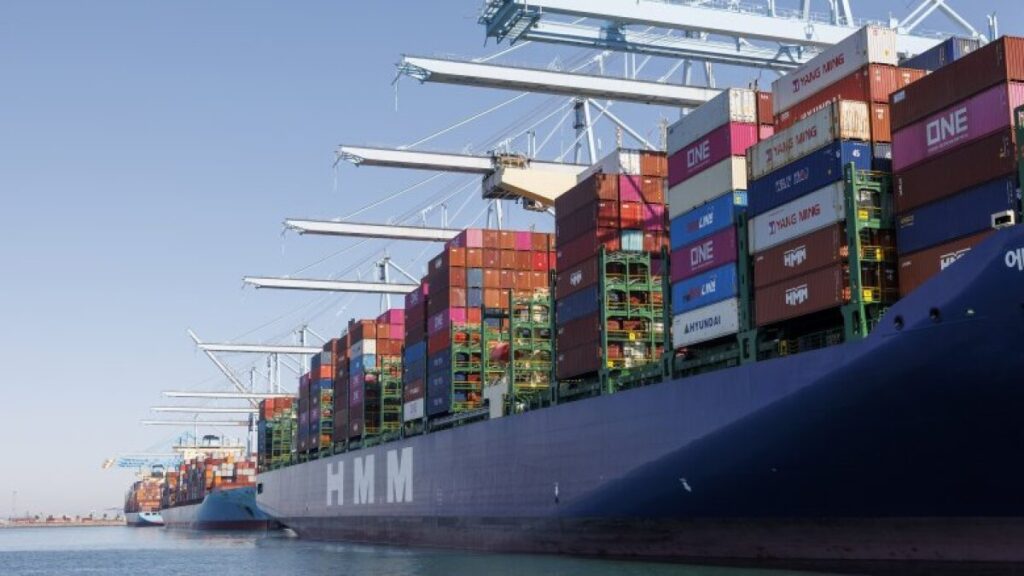
Leading carriers such as Maersk, COSCO, MSC, CMA CGM, and OOCL operate frequent sailings to Australia. Partnering with freight forwarders ensures access to contract rates, priority booking, and better space allocation during peak seasons.
5. How to Reduce Sea Freight Costs from China to Australia?
Importers can apply several strategies:
- Book in advance to secure lower rates.
- Consolidate shipments for better LCL efficiency.
- Use optimal Incoterms such as FOB.
- Partner with freight forwarders for contract carrier pricing.
- Optimize packaging to maximize container space.
Moreover, staying updated on global freight index trends helps businesses predict rate fluctuations.
6.What Risks Can Impact Transit Times?
Factors such as port congestion, weather disruptions, and customs inspections may delay shipments. However, businesses can reduce risks through accurate documentation, trusted partners, and route optimization. Additionally, digital cargo tracking systems provide real-time visibility.
7.Conclusion
The reliable sea freight from China to Australia option is the most effective choice for bulk imports, balancing cost, reliability, and compliance. By selecting the right container type, preparing documentation properly, and working with experienced freight forwarders, businesses can streamline logistics and avoid delays. Choosing experts like China Top Freight ensures efficient, secure, and cost-optimized global trade solutions.
8. Request a Quote
China Top Freight offers:
- ✅ Origin and Destination Countries
- ✅ Cargo Type and Volume
- ✅ Preferred Transport Method (Air, Sea, Rail, Road)
- ✅ Delivery Timeline
- ✅ Special Handling Requirements (if any)
9. FAQ
Q1. What is the average shipping time for reliable sea freight from China to Australia?
Transit takes 18–28 days depending on ports, carrier schedules, and whether goods move via Full Container Load or Less than Container Load.
Q2. How can businesses reduce sea freight costs from China to Australia?
They can consolidate shipments, negotiate favorable Incoterms, book early, and work with freight forwarders who secure lower carrier rates.
Q3. Which Australian ports handle most imports from China?
Sydney, Melbourne, Brisbane, and Perth are primary entry points, offering advanced infrastructure, efficient customs clearance, and nationwide distribution access.
Q4. What taxes apply to imports shipped to Australia?
Import duties vary by HS code, while GST is generally 10% applied on customs value, shipping cost, and applicable duties combined.
Q5. How can small importers benefit from reliable sea freight?
They can use LCL services, share container space, and rely on freight forwarders for customs support and competitive, flexible shipping solutions.