

For importers, reliable sea freight from China to UK is the backbone of smooth international trade. Unreliable shipping can lead to delays, higher costs, and missed deadlines. However, when you partner with trusted freight providers, you benefit from consistent schedules, transparent pricing, and stress-free customs clearance. This article explains how businesses can secure reliable ocean shipping and optimize their supply chain.
1. Why Is Reliable Sea Freight from China to UK Essential?
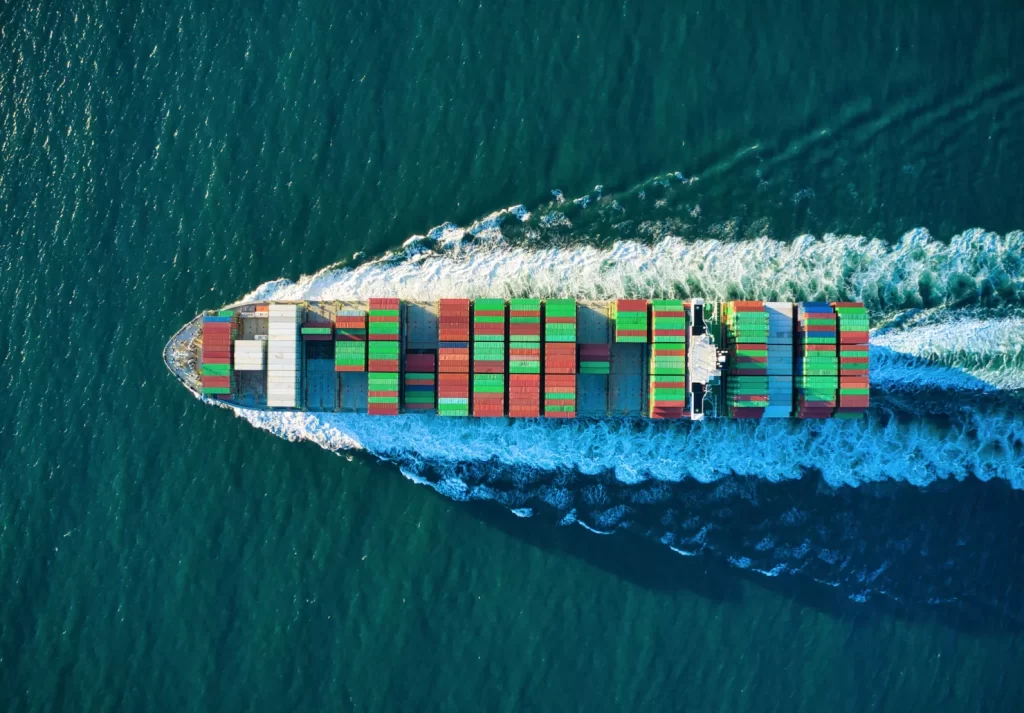
The UK imports billions worth of goods from China every year. With such a high trade volume, consistency in freight services is critical.
Moreover, sea freight remains the most cost-effective way to transport bulk cargo. Reliable services not only reduce risks of delays but also ensure better supply chain planning, helping companies manage inventory and meet customer expectations. Therefore, reliability is as important as cost when choosing a shipping partner.
2. How Long Does Reliable Sea Freight from China to UK Take?
Transit times vary depending on the chosen port pair and route.
| Route (Port-to-Port) | Average Transit (Days) | Key Notes |
|---|---|---|
| Shanghai – Felixstowe | 28–32 | Popular route with stable schedules |
| Shenzhen – Southampton | 30–35 | Strong option for South China exporters |
| Ningbo – London Gateway | 27–31 | Direct access to London region distribution |
| Qingdao – Liverpool | 32–36 | Best for Northern UK cargo distribution |
Additionally, weather conditions and customs inspections can extend timelines, so buffer days should be included in planning.
3. What Are the Typical Costs for Reliable Sea Freight?
Sea freight costs are influenced by container size, seasonal demand, and carrier selection.
| Container Size | Average Cost (USD) | Best Suited For |
|---|---|---|
| 20ft FCL | $2,000–$2,900 | Small to medium-sized shipments |
| 40ft FCL | $3,200–$4,600 | Bulk cargo, furniture, and machinery |
| 40ft HQ | $3,500–$4,900 | Lightweight but voluminous cargo |
| LCL (per CBM) | $45–$75 | Smaller shipments under 15 CBM |
Therefore, importers should request quotes early and compare forwarders for the best balance of price and reliability.
What are you waiting for?
Contact chinatopfreight for a fast, free quote.
Are you ready to book?
Access live instant freight quotes
4. Should You Ship by FCL or LCL?
| Shipping Type | Advantages | Disadvantages |
|---|---|---|
| FCL | Faster transit, fewer delays, cost-effective | Requires higher volume to be economical |
| LCL | Flexible, lower entry costs for small cargo | Slower due to consolidation and deconsolidation |
In most cases, businesses with frequent imports prefer FCL for predictability, while smaller companies benefit from LCL flexibility.
5. What Customs Documents Are Required?
Accurate documentation ensures clearance without delays.
| Document | Purpose |
|---|---|
| Bill of Lading (B/L) | Legal proof of shipment and cargo ownership |
| Commercial Invoice | Declares value and product details |
| Packing List | Lists items, packaging, and weights |
| UK Import Declaration | Mandatory for customs clearance |
| Certificates of Origin | Required for certain regulated categories |
Moreover, certain goods (food, electronics, or medical devices) may need additional certifications or regulatory approval.
6. How Does Sea Freight Compare to Air and Rail?
| Mode | Transit Time (to UK) | Cost Level | Best For |
|---|---|---|---|
| Air | 3–7 days (airport-to-airport); usually 5–10 days door-to-door | Very High | Urgent, high-value, small-volume, or product launches |
| Rail | 21–29 days (18–22 days to EU hubs + 3–7 days for UK transfer via truck/ferry/tunnel) | Moderate (sometimes mid-high) | Shipments via continental Europe with moderate urgency and compliant cargo |
| Sea | 27–36 days (direct sailings); 30–40+ days during peak or via South China routes | Low | Bulk, cost-sensitive, stable, and non-urgent imports |
Thus, sea freight remains the best compromise between cost and capacity for UK importers.
7. Which UK Ports Are Best for Reliable Freight?
- Felixstowe – Handles nearly half of UK container imports.
- Southampton – Strong choice for Southern England distribution.
- London Gateway – Modern facilities near London, with excellent inland links.
- Liverpool – Growing hub for Northern UK supply chains.
Therefore, selecting the right destination port can reduce inland transport costs and speed up delivery.
8. How Do Freight Forwarders Ensure Reliability?
Freight forwarders add value by:
- Securing vessel space at contract rates.
- Managing customs clearance and duties.
- Offering digital tracking for visibility.
- Providing door-to-door logistics solutions.
- Coordinating warehousing and last-mile delivery.
Moreover, experienced forwarders anticipate disruptions and provide alternative solutions, keeping shipments on track.
9. How Can Importers Reduce Risks and Extra Costs?
Importers should:
- Book shipments early in peak seasons.
- Ensure commercial invoices and HS codes are correct.
- Use bonded warehouses to manage duties.
- Work with forwarders that have strong China–UK networks.
- Factor in insurance to cover potential risks.
Additionally, transparent communication with freight providers helps avoid hidden charges and unexpected delays.
10. What Are Future Trends in Reliable Sea Freight?
Key trends shaping sea freight include:
- Sustainability: Adoption of low-emission vessels and eco-friendly practices.
- Digitalization: AI-driven logistics and blockchain bills of lading.
- Port Expansion: Infrastructure upgrades at UK ports for faster handling.
- Resilience: Diversification of routes to reduce congestion risks.
Therefore, businesses should embrace these trends to secure competitive and reliable logistics in the future.
Conclusion
In summary, reliable sea freight from China to UK provides businesses with the assurance of timely delivery, cost control, and smooth customs clearance. By working with experienced freight forwarders and planning shipments carefully, importers can avoid costly disruptions and strengthen their supply chain resilience.
FAQ
Q1: Can small businesses use reliable sea freight from China to UK?
Yes, small businesses can ship using LCL services, which allow them to share container space and pay only for the cargo volume used.
Q2: How early should I book sea freight from China to the UK?
Ideally, book 2–4 weeks before departure, especially during peak shipping seasons, to secure space and avoid higher surcharges.
Q3: Do I need a customs broker for UK imports?
Yes, a licensed broker ensures compliance, handles duty payments, and prevents delays, making the import process smoother and faster.
Q4: What type of cargo benefits most from sea freight?
Sea freight is best for bulk, heavy, or non-urgent goods such as furniture, electronics, machinery, and consumer products.
Q5: How can I ensure faster customs clearance?
Submit complete and accurate documents, classify products correctly, and work with experienced freight forwarders familiar with UK customs.