

Importers worldwide rely on reliable sea freight from China to USA to move bulk goods affordably and securely. While ocean freight can present challenges such as port delays and customs clearance, experienced planning and trusted freight forwarders ensure shipments arrive on time. This guide explains costs, transit times, documentation, and strategies to guarantee reliability throughout your supply chain.

1. Why Is Reliable Sea Freight Important for Importers?
A dependable sea freight service ensures goods reach customers on time and in good condition. Moreover, consistent performance reduces risks of lost sales, warehouse shortages, and costly delays. Therefore, choosing the right carrier and freight forwarder is critical.
Benefits include:
- Predictable transit schedules.
- Lower shipping costs compared to air freight.
- Flexible container options (FCL & LCL).
- Safer transport for heavy or bulk cargo.
2. What Is the Transit Time for Reliable Sea Freight from China to USA?
Transit time depends on the route, shipping line, and port congestion.
| Route | Average Transit Time (Standard) | Reliable/Direct Transit Time |
|---|---|---|
| Shanghai → Los Angeles | 16–20 days | 14–16 days |
| Shenzhen → Long Beach | 17–21 days | 15–17 days |
| Ningbo → New York | 28–35 days | 25–28 days |
| Guangzhou → Houston | 26–32 days | 24–27 days |
Tip: Choosing direct sailings and less congested ports helps achieve faster, more reliable delivery.
3. How Much Does Reliable Sea Freight Cost?
Costs vary by container size, service type, and port. Reliable carriers may charge slightly more, but the reduced risk of delays is worth it.
| Container Type | Avg. Cost (China → USA West Coast) | Avg. Cost (China → USA East Coast) |
|---|---|---|
| 20ft FCL | $2,600 – $3,300 | $3,300 – $4,300 |
| 40ft FCL | $4,400 – $5,900 | $5,200 – $6,900 |
| LCL (per CBM) | $100 – $170 | $120 – $190 |
What are you waiting for?
Contact chinatopfreight for a fast, free quote.
Are you ready to book?
Access live instant freight quotes
4. What Factors Affect the Reliability of Sea Freight?
Several factors influence whether your shipment arrives on schedule:
- Port Congestion: Major US ports like Los Angeles often face backlogs.
- Carrier Reputation: Some carriers consistently deliver on time.
- Customs Preparedness: Proper documentation avoids clearance delays.
- Weather Conditions: Storms may cause rerouting or longer transit.
- Seasonal Peaks: Book early to secure space during holiday surges.
5. FCL vs LCL: Which Option Is More Reliable?
Full Container Load (FCL)
- Goods are shipped in one dedicated container.
- Faster handling and lower risk of damage.
- More reliable for large shipments.
Less than Container Load (LCL)
- Cargo is consolidated with other shipments.
- More handling required, leading to potential delays.
- Best for small businesses but less reliable than FCL.
| Option | Reliability | Cost Efficiency | Best For |
|---|---|---|---|
| FCL | High | Best for bulk | Large shipments |
| LCL | Medium | Flexible | Small shipments |
6. Which US Ports Provide the Most Reliable Sea Freight?
- West Coast Ports: Los Angeles, Long Beach, Oakland – faster but often congested.
- East Coast Ports: New York, Savannah, Norfolk – longer transit but efficient clearance.
- Gulf Ports: Houston, New Orleans – balanced transit and lower congestion.
For reliability, many importers use alternative ports like Oakland or Houston to bypass West Coast congestion.
7. What Documents Are Required for Reliable Customs Clearance?
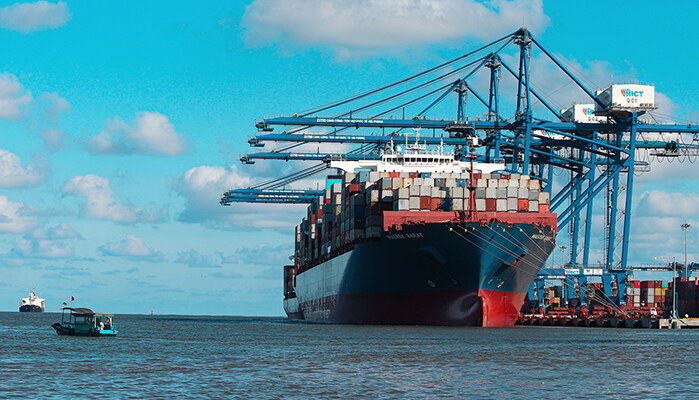
Ensuring documentation accuracy guarantees smoother clearance.
| Document | Purpose |
|---|---|
| Bill of Lading (B/L) | Contract between shipper and carrier |
| Commercial Invoice | Declares goods, value, buyer, and seller |
| Packing List | Details shipment contents |
| Certificate of Origin | Identifies country of manufacture |
| ISF Filing (10+2) | Mandatory for all US-bound cargo |
| Importer Security Bond | Required for entry into the USA |
| Insurance Certificate | Ensures financial protection for goods |
8. Sea Freight vs Air Freight vs Rail: Which Is the Most Reliable?
| Method | Cost | Transit Time | Reliability Level | Pros | Cons |
|---|---|---|---|---|---|
| Sea Freight | $100–$190/CBM | 14–35 days | High (with trusted carrier) | Cost-effective, scalable, suitable for bulk | Port congestion risk |
| Air Freight | $5–$10/kg | 3–7 days | Very High | Fastest, less weather impact | Very expensive |
| Rail Freight | $3–$5/kg | 18–25 days | Medium (EU only) | Balanced speed and cost | Not available to USA |
While air freight is technically most reliable, sea freight provides the best cost-to-reliability ratio for large shipments.
9. How to Ensure Reliable Sea Freight from China to USA?
- Partner with experienced freight forwarders.
- Book early to avoid space shortages.
- Verify carrier track records for on-time performance.
- Pre-clear customs by submitting documents in advance.
- Use cargo insurance for financial security.
10. What Are Common Challenges in Reliable Sea Freight?
- Delays at ports due to congestion.
- Documentation errors causing clearance issues.
- Container shortages during peak demand.
- Unexpected surcharges (fuel, handling fees).
However, working with a reputable forwarder minimizes these risks.
Conclusion
In global trade, reliable sea freight from China to USA ensures that goods arrive safely, on time, and within budget. While air freight is faster, ocean shipping provides the best balance between cost efficiency and reliability for large-volume imports.
By working with experienced freight forwarders, preparing documents properly, and choosing the right ports and carriers, businesses can reduce risks and keep supply chains running smoothly. For long-term success, importers should prioritize reliable sea freight from China to USA as the backbone of their logistics strategy.
FAQ
Q1: How can I track my sea freight shipment from China to USA?
You can track shipments using the container number or Bill of Lading. Most carriers and forwarders provide online real-time tracking systems.
Q2: Are all US ports equally reliable for imports?
No. West Coast ports are faster but congested, while East Coast ports have longer transit times yet smoother clearance, making them more predictable.
Q3: What Incoterms are best for reliable sea freight?
FOB and CIF are widely used. CIF includes freight and insurance, while FOB allows importers to control carrier choice for more reliable service.
Q4: Do I need cargo insurance for reliable sea freight?
Yes. Insurance protects against damage, loss, or delays. Even reliable carriers cannot prevent unexpected accidents during long ocean journeys.
Q5: Can reliable sea freight reduce overall supply chain costs?
Yes. Predictable delivery minimizes emergency air shipments, lowers storage costs, and ensures goods arrive in sync with sales cycles.