

- By kelly
- November 12, 2025
- Logistics, Tips or Guide
Reliable Sea Freight from Shenzhen to Australia: Affordable, Secure & Efficient
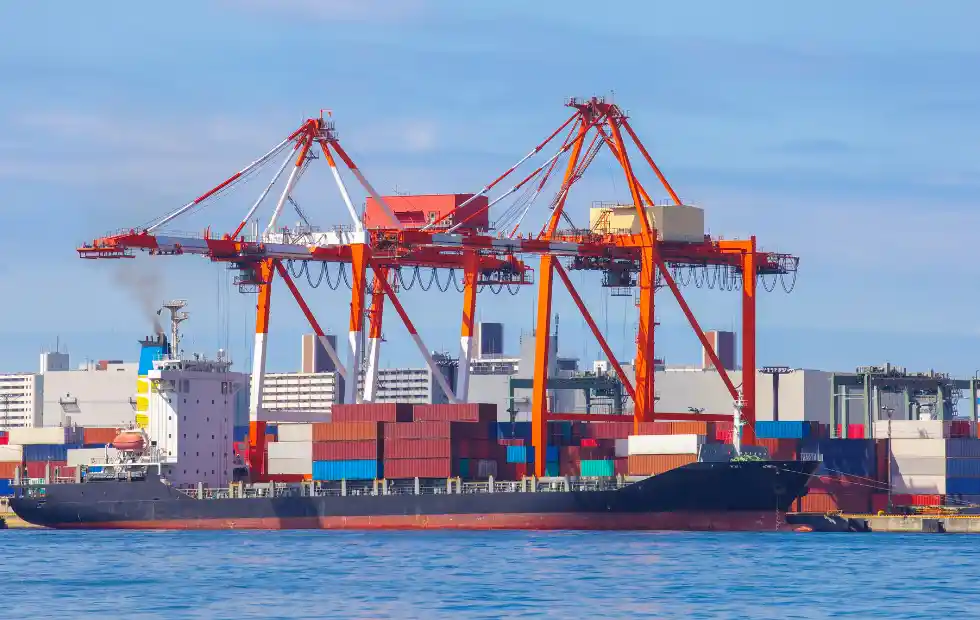
When it comes to international trade, reliable sea freight from Shenzhen to Australia remains one of the most efficient and cost-effective logistics options. ChinaTopFreight offers professional shipping services that guarantee safe, on-time delivery, complete customs clearance, and flexible container options for businesses of all sizes.
1. Why Choose Sea Freight from Shenzhen to Australia?
Sea freight is ideal for large-volume, non-urgent cargo. Shenzhen, being China’s major export hub, provides excellent maritime connectivity to Australian ports such as Sydney, Melbourne, Brisbane, and Fremantle.
Key Advantages:
- Lowest cost for bulk cargo shipping
- Multiple container sizes and services (LCL/FCL)
- Stable schedules and consistent delivery
- Excellent environmental sustainability compared to air transport
Therefore, reliable sea freight from Shenzhen to Australia ensures both affordability and dependability for international importers and exporters.
2. What Is the Average Transit Time from Shenzhen to Australia?
Transit time depends on the shipping route, destination port, and whether the service is direct or transshipment-based.
| Destination Port (Australia) | Average Transit Time (Days) | Remarks |
|---|---|---|
| Sydney | 14–18 | Fastest and most popular route |
| Melbourne | 15–20 | Excellent port capacity |
| Brisbane | 16–21 | Ideal for eastern Australia |
| Adelaide | 18–23 | Slightly longer transit |
| Fremantle (Perth) | 20–25 | Western Australia deliveries |
Generally, FCL shipments arrive faster than LCL due to fewer handling points.
3. How Much Does Sea Freight from Shenzhen to Australia Cost?
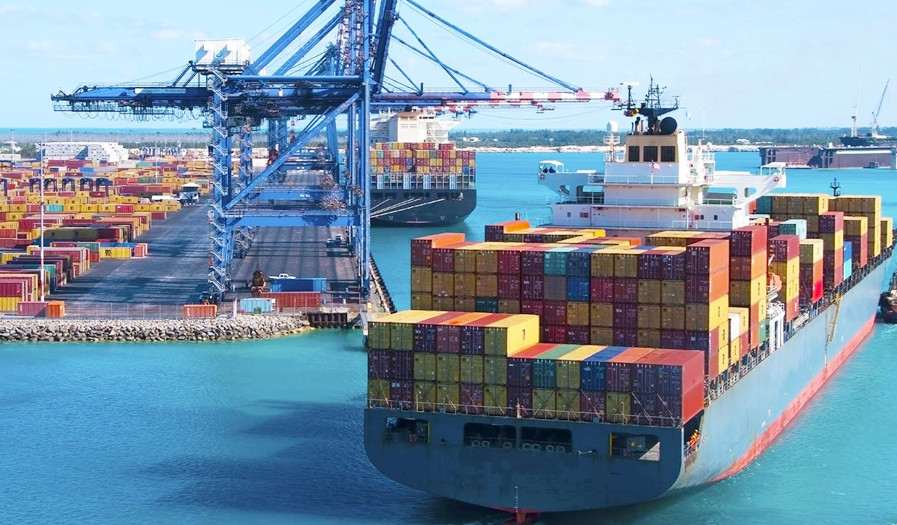
Sea freight is priced by container type (FCL) or by volume/weight (LCL).
| Shipping Mode | Pricing Metric | Estimated Cost (USD) | Transit Time (Days) | Best For |
|---|---|---|---|---|
| FCL 20ft Container | Per container | $1,000–$1,600 | 14–20 | Bulk or single-client cargo |
| FCL 40ft Container | Per container | $1,600–$2,300 | 15–22 | Large cargo volume |
| LCL (Less than Container Load) | Per CBM | $70–$120/CBM | 18–25 | Small-volume shipments |
| Reefer Container | Per container | $2,200–$3,000 | 15–25 | Temperature-sensitive goods |
Note: Prices vary by season, destination, and fuel surcharges.
Working with ChinaTopFreight gives you access to wholesale ocean freight rates and optimized routes to reduce costs and delivery time.
4. What Are the Main Shipping Options Available?
| Service Type | Description | Advantages | Best For |
|---|---|---|---|
| FCL (Full Container Load) | One shipper, one consignee | Faster, secure, private use | Large-volume shipments |
| LCL (Less than Container Load) | Shared space with others | Lower cost, flexible | Small or medium cargo |
| Door-to-Door Sea Freight | End-to-end logistics | Simplified, all-inclusive | SMEs, importers |
| Port-to-Port | Basic terminal service | Cheaper | Experienced importers |
| DDP (Delivered Duty Paid) | All customs handled | Hassle-free | E-commerce, first-time importers |
These flexible modes ensure you can balance cost, speed, and convenience.
5. What Documents Are Required for Sea Freight Shipping?
Proper documentation ensures your shipment clears customs smoothly both in China and Australia.
| Document | Purpose | Issued By |
|---|---|---|
| Bill of Lading | Proof of cargo ownership | Carrier or freight forwarder |
| Commercial Invoice | Declares shipment value | Shipper |
| Packing List | Lists contents | Shipper |
| Certificate of Origin | Confirms product source | Chamber of Commerce |
| Import Declaration | Required by Australian Border Force (ABF) | Importer |
| Insurance Certificate | Covers cargo loss/damage | Insurance company |
Accurate documentation prevents customs delays and unexpected costs.
6. How Does Customs Clearance Work in Australia?
Customs clearance in Australia involves coordination between the Australian Border Force (ABF) and the Department of Agriculture, Fisheries, and Forestry (DAFF).
Clearance Process:
- Submit import declaration and commercial documents.
- Verify tariff classification (HS Code).
- Pay customs duty, GST, and inspection fees if applicable.
- Receive clearance and arrange local delivery.
Typical Import Duties and Taxes:
| Charge Type | Rate | Applies To |
|---|---|---|
| Import Duty | 0–5% | Based on HS code |
| GST (Goods & Services Tax) | 10% | On CIF + Duty value |
| Inspection Fee | AUD 30–60 | Agricultural goods only |
Working with a reliable freight forwarder like ChinaTopFreight ensures compliance and quick customs release.
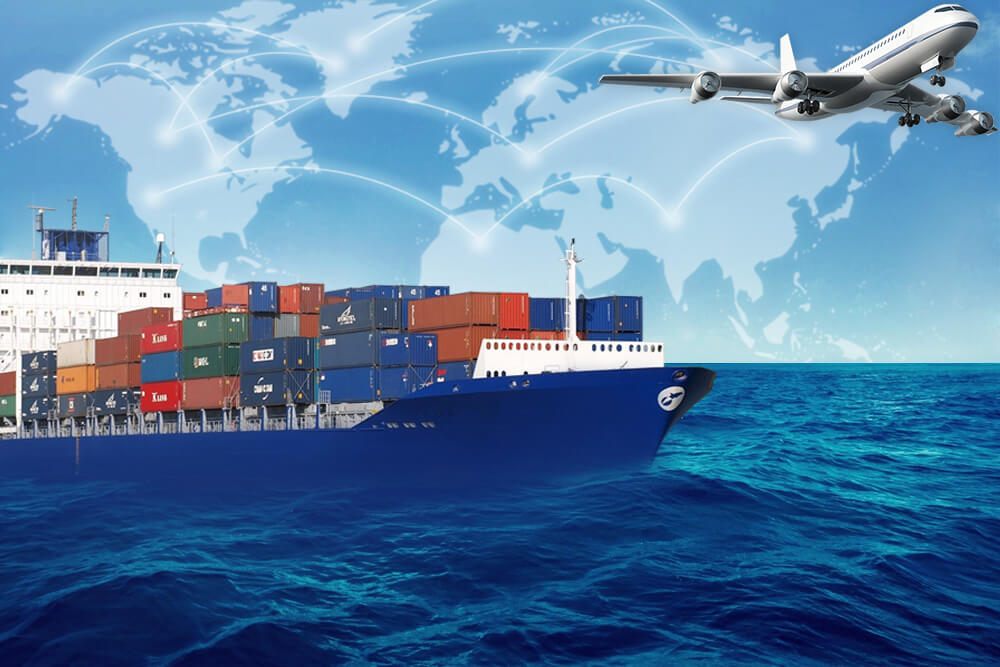
7. What Are the Main Ports Used in This Route?
| Port | Location | Capacity Level | Remarks |
|---|---|---|---|
| Yantian Port (Shenzhen) | Guangdong, China | Large | Major export hub for electronics and machinery |
| Shekou Port (Shenzhen) | Guangdong, China | Medium | Ideal for LCL cargo |
| Port of Sydney | New South Wales | Large | Australia’s busiest import port |
| Port of Melbourne | Victoria | Large | Major gateway for southern Australia |
| Port of Brisbane | Queensland | Medium | Serves eastern regions efficiently |
These ports handle thousands of containers monthly, offering flexible sailing schedules for exporters.
8. How Does Sea Freight Compare to Other Transport Modes?
| Mode | Transit Time (Days) | Cost | Capacity | Reliability | Best Use |
|---|---|---|---|---|---|
| Sea Freight | 14–25 | Low | High | High | Bulk or non-urgent goods |
| Air Freight | 3–7 | High | Low | Very High | Urgent cargo |
| Rail Freight | 15–20 | Medium | Medium | Moderate | Mid-volume cargo to Europe |
| Express Courier | 3–5 | Very High | Very Low | Very High | Samples, small parcels |
Therefore, sea freight remains the most economical and scalable method for global trade.
9. What Factors Affect Sea Freight Costs?
Shipping costs depend on several factors:
- Container size and type (20ft, 40ft, high cube, reefer)
- Cargo weight and volume
- Destination port and inland delivery charges
- Seasonal demand (peak season surcharges)
- Fuel and currency fluctuations
- Customs duties and inspection fees
Optimizing packaging, choosing flexible routes, and booking early can significantly reduce your total cost.
10. How to Choose Between FCL and LCL?
| Criteria | FCL | LCL |
|---|---|---|
| Cargo Volume | >15 CBM | <15 CBM |
| Cost Efficiency | Better for full loads | Shared cost for smaller shipments |
| Handling Risk | Minimal | Slightly higher |
| Transit Time | Faster | Slightly longer |
| Ideal For | Large businesses | Small to medium importers |
Therefore, selecting between FCL and LCL depends on your shipment size and urgency.
📦Get a Free Quote
Looking for reliable sea freight from Shenzhen to Australia?
Contact ChinaTopFreight today for customized solutions. Our team provides competitive rates, professional customs clearance, and full visibility from port to destination. Let us handle your logistics while you focus on business growth.
❓ Frequently Asked Questions
1. How long does sea freight from Shenzhen to Australia take?
Transit time ranges between 14–25 days depending on port and shipping line schedules.
2. What’s the cheapest way to ship from Shenzhen to Australia?
Sea freight (LCL or FCL) is the most economical method for large or non-urgent shipments.
3. Do I need to handle customs clearance myself?
No. ChinaTopFreight manages both export and import customs clearance on your behalf.
4. Can you deliver goods door-to-door in Australia?
Yes. We provide door-to-door service, including port delivery and final inland trucking.
5. Are there restricted items for sea freight?
Yes. Flammable, toxic, or hazardous materials require special documentation and handling permits.
Conclusion
In conclusion, reliable sea freight from Shenzhen to Australia remains the most practical and cost-efficient shipping method for global trade. With flexible options like FCL and LCL, competitive rates, and complete customs management, businesses can ship smoothly from China’s industrial hub to Australia’s major markets.
Partner with ChinaTopFreight to experience seamless ocean logistics — ensuring your cargo arrives safely, on schedule, and within budget.