

When it comes to textiles shipping China to UK, importers face complex logistics challenges such as customs regulations, transit time, and cost management. However, by working with a professional freight forwarder, businesses can ensure smooth, compliant, and cost-effective delivery from China’s textile hubs to the UK market.
1. What Is Textiles Shipping from China to the UK?
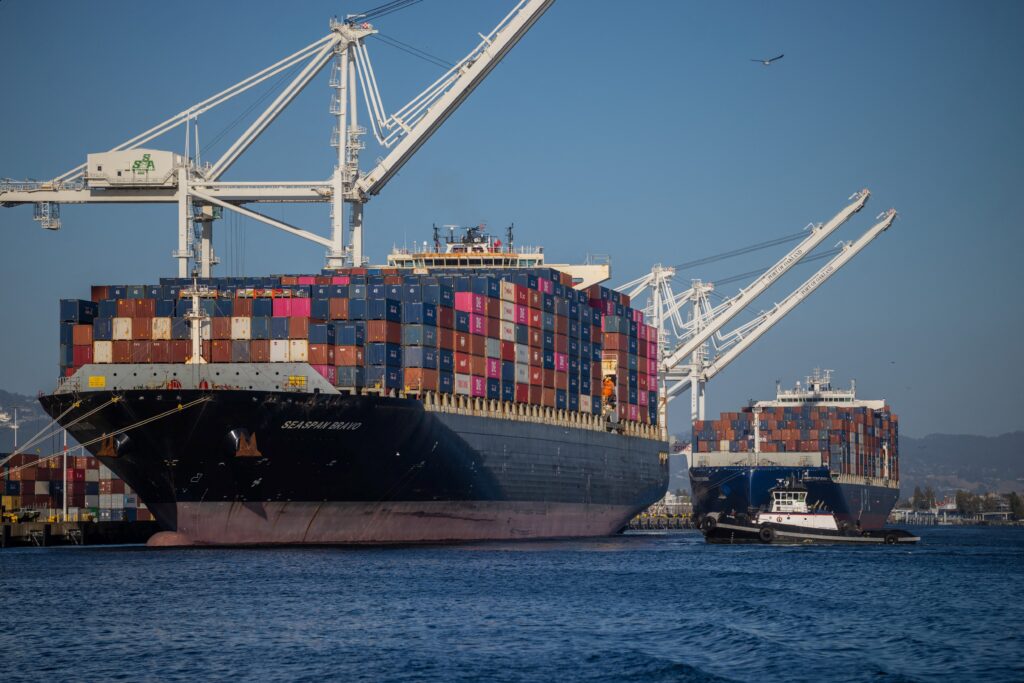
Textiles shipping refers to transporting fabric, garments, yarn, and clothing accessories from Chinese suppliers to buyers in the United Kingdom. Given China’s dominance in textile manufacturing, efficient logistics is key to maintaining competitive pricing and timely delivery.
Main Textile Categories Shipped:
- Fabrics (cotton, polyester, silk, linen, wool)
- Finished garments (T-shirts, dresses, jackets)
- Yarn and threads
- Home textiles (curtains, bedding, towels)
- Industrial textiles (technical fabrics, upholstery materials)
Long-tail keywords: fabric import China to UK, garment logistics China to UK, textile freight forwarding, DDP textile shipping, customs for fabric import UK.
2. Why Import Textiles from China to the UK?
China offers the world’s largest textile supply chain, ensuring competitive prices and advanced manufacturing technology. Moreover, importers benefit from high-quality production, bulk discounts, and flexible order quantities.
Advantages:
- Lower production and transportation costs
- Wide material selection and customization
- Established shipping routes to UK ports
- Reliable supplier networks
Semantic keywords: supply chain management, textile export, import trade, sourcing fabrics, manufacturing hubs, trade efficiency.
3. What Are the Main Shipping Methods for Textiles from China to the UK?
Importers can choose from air, sea, rail, or express shipping, depending on their volume, budget, and urgency.
| Shipping Method | Transit Time | Cost Level | Best For |
|---|---|---|---|
| Air Freight | 5–8 days | High | Urgent garment shipments |
| Sea Freight (FCL/LCL) | 25–35 days | Low | Bulk textile orders |
| Rail Freight | 18–22 days | Medium | Fast and sustainable shipments |
| Express Courier | 4–7 days | Highest | Small samples or high-value textiles |
Long-tail keywords: sea freight China to UK textiles, air cargo garments, rail freight fabric transport, express delivery clothing samples.
4. How Much Does It Cost to Ship Textiles from China to the UK?
Textile shipping costs depend on weight, volume, mode of transport, and Incoterms (EXW, FOB, CIF, or DDP).
| Method | Estimated Cost | Transit Time | Comments |
|---|---|---|---|
| Air Freight | $5–$8/kg | 5–8 days | Fast and secure |
| Sea Freight (LCL) | $60–$120/CBM | 25–35 days | Ideal for large textile loads |
| Rail Freight | $80–$150/CBM | 18–22 days | Balanced cost and time |
| Express | $7–$12/kg | 4–7 days | For samples and urgent parcels |
Semantic keywords: shipping rates, logistics pricing, import duty calculation, freight comparison, transport cost analysis.
Are you ready to book?
Access live instant freight quotes
5. What Documents Are Required for Textile Import from China to the UK?
Accurate paperwork ensures smooth customs clearance and avoids costly delays.
| Document | Purpose |
|---|---|
| Commercial Invoice | Declares product value for customs duty |
| Packing List | Lists fabric types, weight, and quantity |
| Bill of Lading / Air Waybill | Confirms transport details |
| Certificate of Origin | Confirms Chinese origin for trade purposes |
| Import Declaration | Required for UK customs entry |
| Textile Composition Report | Confirms fiber content and compliance |
Long-tail keywords: customs paperwork for textiles, import documentation UK, fabric compliance report, textile HS codes, UK customs declaration guide.
6. What Are the Customs Duties and Taxes for Textiles in the UK?
The UK applies import duty and VAT based on the HS code classification. Importers must ensure the correct product classification to avoid penalties.
| Charge Type | Rate | Notes |
|---|---|---|
| Import Duty | 8–12% (varies by fabric type) | Based on CIF value |
| VAT | 20% | Applied to total landed cost |
| Customs Clearance Fee | £25–£50 | Charged by brokers or agents |
Moreover, under DDP shipping, your freight forwarder can handle all customs duties and taxes upfront, simplifying the process.
Semantic keywords: UK import VAT, fabric tariff code, duty calculator, customs valuation, textile import compliance.
7. What Are the Transit Times for Textiles from China to the UK?
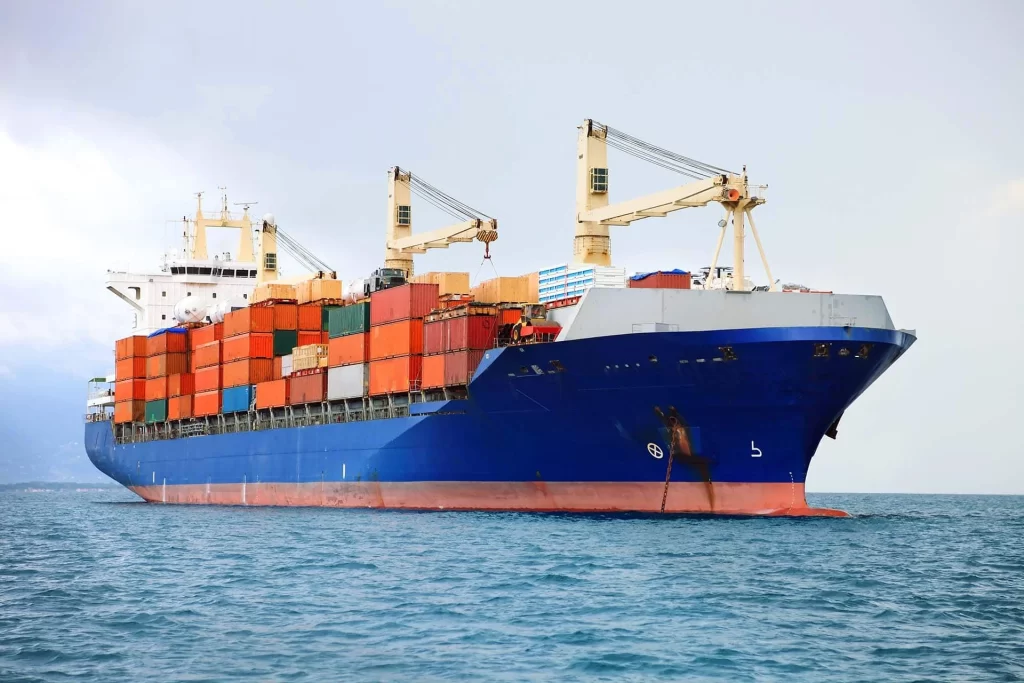
Transit times depend on origin city, shipping mode, and customs processing.
| Origin City | Mode | Destination | Estimated Time |
|---|---|---|---|
| Shenzhen | Air | London | 5–7 days |
| Ningbo | Sea | Felixstowe | 30–35 days |
| Yiwu | Rail | Birmingham | 18–20 days |
| Guangzhou | Express | Manchester | 5–7 days |
Long-tail keywords: China to UK delivery time, textile logistics schedule, supply chain lead time, port-to-port transit, trade route efficiency.
8. Which Incoterms Are Commonly Used for Textile Shipping?
Understanding Incoterms clarifies who handles costs and risks.
| Term | Responsibility | Best For |
|---|---|---|
| EXW | Buyer handles all shipping | Experienced importers |
| FOB | Seller delivers to Chinese port | Balanced control |
| CIF | Seller covers shipping to UK port | Simplifies sea freight |
| DDP | Seller pays all duties/taxes | Hassle-free import solution |
Long-tail keywords: DDP textile shipping China to UK, FOB garment freight, CIF sea delivery, trade terms comparison.
9. What Are the Best Practices for Packaging and Labeling Textiles?
Proper packaging prevents damage and ensures compliance with UK textile labeling laws.
Best Practices:
- Use moisture-resistant wrapping and palletizing
- Include fiber content, country of origin, and washing instructions
- Label each box with HS code and invoice number
- For apparel, follow UKCA marking requirements
Semantic keywords: textile labeling regulation UK, packaging standards, product marking, warehouse storage conditions.
10. How Can You Optimize Shipping Costs and Transit Time?
Businesses can reduce textile import costs through better planning and strategic shipping choices.
Tips to Save Money and Time:
- Consolidate LCL shipments to save on freight
- Choose rail freight for eco-friendly mid-speed options
- Book off-peak shipping schedules
- Work with experienced freight forwarders for customs clearance
Long-tail keywords: reduce shipping costs textiles, LCL consolidation, rail freight efficiency, customs optimization UK imports.
Conclusion
Efficient textiles shipping China to UK requires smart planning, accurate documentation, and reliable logistics support. Whether you choose sea, air, or rail freight, understanding customs, transit time, and Incoterms helps reduce risks and costs. Therefore, partnering with experts like ChinaTopFreight ensures smooth, cost-effective, and compliant textile imports for your UK business.
FAQ
1. What is the cheapest shipping method for textiles from China to the UK?
Sea freight is the most economical option for bulk fabric or garment shipments, though transit times are longer than air or rail options.
2. Do I need an import license to ship textiles into the UK?
Most textile imports don’t require a specific license, but you must have an EORI number and comply with UK textile labeling regulations.
3. How do I pay import duties for textiles?
Import duties and VAT are paid upon customs clearance unless you choose DDP service, where your forwarder handles all payments on your behalf.
4. Can small businesses ship textiles from China to the UK?
Yes, many freight forwarders offer LCL or express courier services suitable for small and medium-sized importers.
5. What documents are mandatory for customs clearance?
Commercial invoice, packing list, bill of lading, and certificate of origin are essential. Some fabrics also require a composition report.