

International trade between China and Canada continues to expand, with train cargo China to Canada becoming an increasingly reliable and eco-friendly logistics solution. Although sea freight remains dominant, rail freight offers faster transit times and cost efficiency for businesses seeking a balance between air and sea shipping. This guide explains everything importers need to know about rail freight from China to Canada—routes, costs, transit time, and customs procedures.

1. What Is Train Cargo from China to Canada and Why Is It Growing?
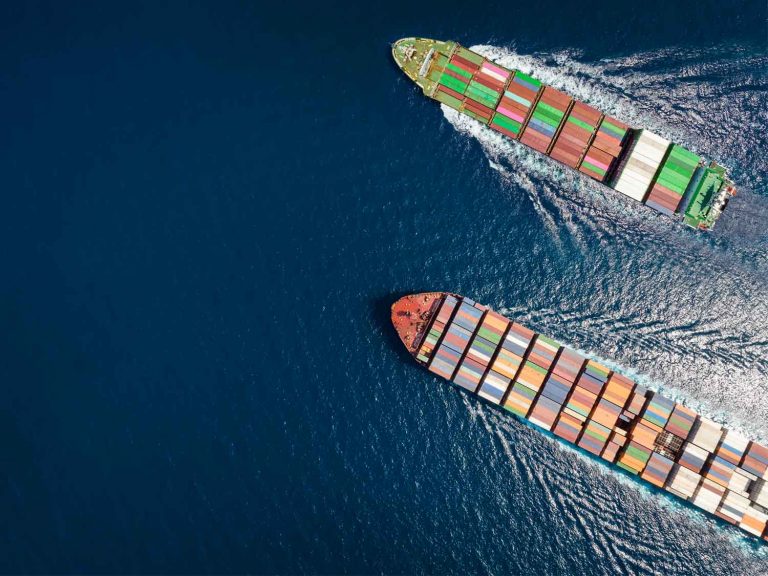
Train cargo China to Canada refers to the multimodal rail transport network connecting Chinese inland hubs to Canadian ports or logistics centers through Russia, Europe, and the Pacific. While there is no direct transcontinental railway between the two nations, rail is used for the China–Europe leg, combined with transshipment by sea or air to reach Canada efficiently.
Key Advantages of Rail Cargo:
- Faster than sea freight (15–25 days shorter).
- Cheaper than air freight, making it ideal for medium-value goods.
- Stable schedules unaffected by ocean congestion.
- Eco-friendly with 60–70% less CO₂ emissions than air transport.
Therefore, train cargo provides an excellent middle ground for companies needing speed, reliability, and sustainability.
2. How Does Train Cargo Work from China to Canada?
Rail transport to Canada typically follows a multimodal route:
- Rail Freight (China → Europe): Cargo travels via the China-Europe Railway Express, through Kazakhstan, Russia, and Belarus to European hubs like Hamburg or Warsaw.
- Transshipment (Europe → Canada): From Europe, containers are shipped by sea or air freight to Canadian destinations such as Vancouver, Toronto, or Montreal.
| Step | Stage | Mode | Typical Duration |
|---|---|---|---|
| 1 | Export customs clearance in China | Land | 1–2 days |
| 2 | China-Europe Rail segment | Train | 14–18 days |
| 3 | Transshipment via European port | Sea/Air | 10–15 days |
| 4 | Import customs clearance in Canada | Land | 1–2 days |
| 5 | Final delivery | Truck | 1–3 days |
3. What Are the Key Routes for Train Cargo from China to Canada?
| Origin (China) | Transit Hubs | Final Port (Canada) | Average Transit Time |
|---|---|---|---|
| Chongqing | Warsaw → Hamburg → Vancouver | Vancouver | 25–30 days |
| Zhengzhou | Duisburg → Rotterdam → Toronto | Toronto | 28–32 days |
| Xi’an | Brest → Antwerp → Montreal | Montreal | 27–35 days |
| Chengdu | Moscow → Gdansk → Calgary | Calgary | 30–35 days |
Pro Tip: Choose departure hubs near your supplier for lower domestic transport costs—Xi’an, Chongqing, and Zhengzhou are the most efficient rail gateways.
What are you waiting for?
Contact chinatopfreight for a fast, free quote.
Are you ready to book?
Access live instant freight quotes
4. What Are the Costs of Train Cargo from China to Canada?
Train freight costs depend on cargo size, destination, and transshipment type (sea or air).
| Shipment Type | Weight / Volume | Estimated Cost (USD) | Notes |
|---|---|---|---|
| LCL (Less than Container Load) | ≤ 5 CBM | $70–$110 per CBM | Consolidated shipment |
| 20ft Container (FCL) | 28–30 CBM | $3,200–$4,200 | Door-to-door |
| 40ft Container (FCL) | 55–60 CBM | $4,800–$6,200 | Ideal for bulk goods |
| Rail + Sea Combo | 1–2 tons | $1.5–$2.5/kg | Balanced speed & price |
| Rail + Air Combo | <1 ton | $4–$6/kg | Faster, for valuable items |
Note: Prices fluctuate seasonally and depend on fuel surcharges, rail slot availability, and destination port fees.
5. How Does Rail Cargo Compare with Sea and Air Freight?
| Criteria | Train Cargo | Sea Freight | Air Freight |
|---|---|---|---|
| Transit Time | 25–35 days | 35–45 days | 5–10 days |
| Cost | Medium | Low | High |
| Reliability | High | Moderate | Very High |
| CO₂ Emissions | Low | Moderate | High |
| Capacity | Medium | Large | Limited |
| Ideal Cargo | Medium-value goods | Bulk goods | Urgent or high-value goods |
Conclusion: Rail freight is the best option for businesses balancing speed and cost, especially when transporting electronics, textiles, or automotive parts.
6. What Types of Goods Are Suitable for Train Cargo to Canada?
Train cargo suits goods that require moderate speed and careful handling.
Ideal Cargo Types Include:
- Consumer electronics and computer parts
- Auto components and machinery
- Furniture and home appliances
- Industrial tools and equipment
- Fashion and textile products
- E-commerce shipments under DDP terms
- Restricted Cargo:
- Perishable goods
- Dangerous or flammable materials
- Oversized or heavy industrial cargo (better for sea freight)
Additionally, ensure your items comply with Canadian safety and certification standards before export.
7. What Documents Are Required for Train Cargo from China to Canada?
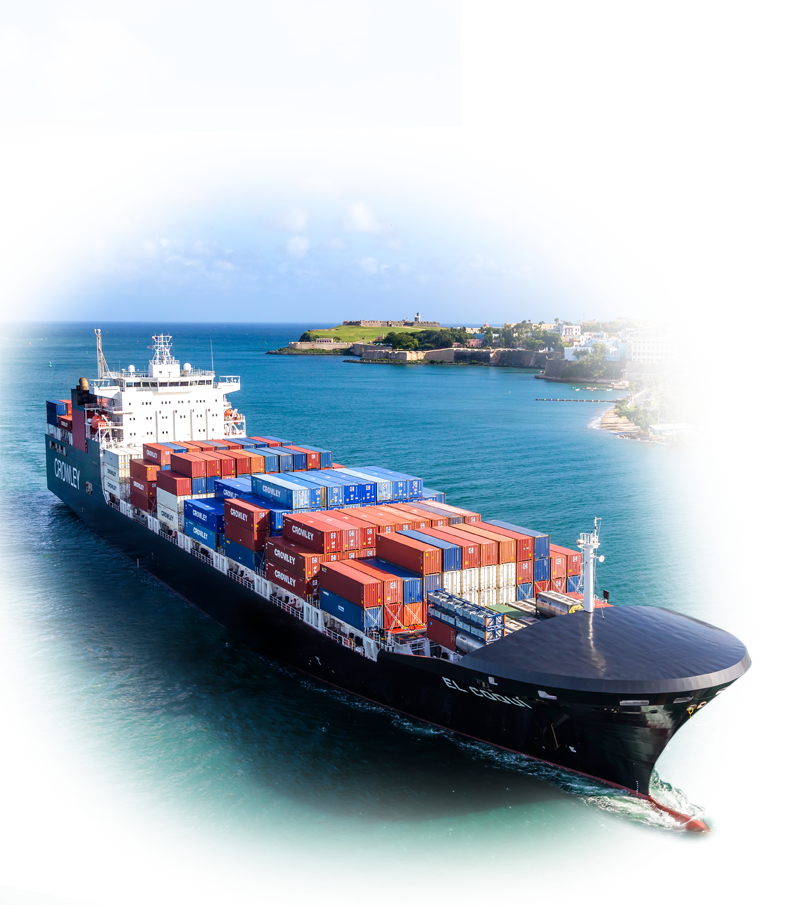
Proper documentation ensures smooth customs clearance at each stage.
| Document | Description | Issued By |
|---|---|---|
| Commercial Invoice | Declares value and product details | Supplier |
| Packing List | Details shipment contents | Shipper |
| Bill of Lading (Rail & Sea) | Proof of carriage | Carrier |
| Certificate of Origin | Verifies origin for tariff preference | Chamber of Commerce |
| Import Declaration | Filed with Canadian Customs (CBSA) | Importer |
| Insurance Certificate | Protects against loss/damage | Insurance Provider |
8. What Are the Transit Times for Train Cargo to Major Canadian Cities?
| Destination City | Average Transit Time | Route |
|---|---|---|
| Vancouver | 25–30 days | Via Hamburg Port |
| Toronto | 28–32 days | Via Rotterdam Port |
| Montreal | 30–35 days | Via Antwerp Port |
| Calgary | 30–35 days | Via Gdansk Port |
Therefore, Vancouver offers the fastest delivery time, making it the top entry port for rail–sea combination cargo.
9. How to Clear Customs for Rail Freight in Canada
Customs clearance in Canada is managed by the Canada Border Services Agency (CBSA).
Steps for Successful Clearance:
- Register as an Importer: Obtain a Business Number (BN) from the CRA.
- Provide Accurate HS Codes: Match your product to avoid overpaying duties.
- Prepare Documents: Submit commercial invoice, packing list, and certificate of origin.
- Pay Duties and Taxes: Typically, 5% GST applies, plus duties based on product type.
- Coordinate Delivery: Once cleared, goods move to final destinations via domestic trucking.
Moreover, using Delivered Duty Paid (DDP) services simplifies this process, as your forwarder handles all taxes and paperwork.
10. How to Choose Between LCL and FCL for Rail Cargo
| Criteria | LCL (Less Container Load) | FCL (Full Container Load) |
|---|---|---|
| Volume | Under 15 CBM | Over 15 CBM |
| Cost | Shared container, cheaper for small loads | Lower per-unit cost for full loads |
| Flexibility | Suitable for SMEs and e-commerce | Ideal for bulk shipments |
| Handling Risk | Higher due to shared space | Minimal risk, single consignee |
| Transit Time | Slightly longer due to consolidation | Faster overall |
Recommendation: If your shipment is below 15 cubic meters, LCL is more economical. Otherwise, FCL ensures better control and faster processing.
Conclusion
Choosing train cargo China to Canada gives importers a competitive advantage through faster transit, stable scheduling, and eco-friendly operations. It bridges the gap between the low cost of sea freight and the speed of air transport.
By collaborating with an experienced freight forwarder like ChinaTopFreight, businesses can ensure efficient customs clearance, transparent pricing, and reliable door-to-door delivery. Whether you’re shipping electronics, industrial parts, or consumer goods, rail freight is the smart choice for 2025’s global logistics landscape.
FAQ
1. How long does train cargo take from China to Canada?
Transit time ranges between 25–35 days depending on the route, transshipment hub, and destination city in Canada.
2. Can I ship electronics or machinery by rail freight?
Yes, rail freight safely transports electronics, machinery, auto parts, and industrial goods when properly packed.
3. Is train cargo cheaper than air freight?
Absolutely. Rail cargo costs about 50–70% less than air freight while still being much faster than ocean shipping.
4. What is the typical weight limit for train containers?
A standard 40ft container can hold up to 26,000 kg of cargo. Oversized loads may require special arrangements.
5. Do I need insurance for train cargo shipments?
Yes, it’s strongly recommended to protect against transit damage, loss, or delays. Most forwarders offer affordable cargo insurance.