

Managing supply chains efficiently requires not only reliable carriers but also visibility over departure dates, transit times, and port rotations. Therefore, understanding the sailing schedule for FCL shipping from China to Portugal is essential for importers who need predictable deliveries, stable shipping costs, and consistent inventory control. Because weekly vessel departures, transshipment hubs, and carrier service rotations constantly shift, having a clear overview helps businesses avoid delays and maintain healthy stock levels.
1. What Is the Stan
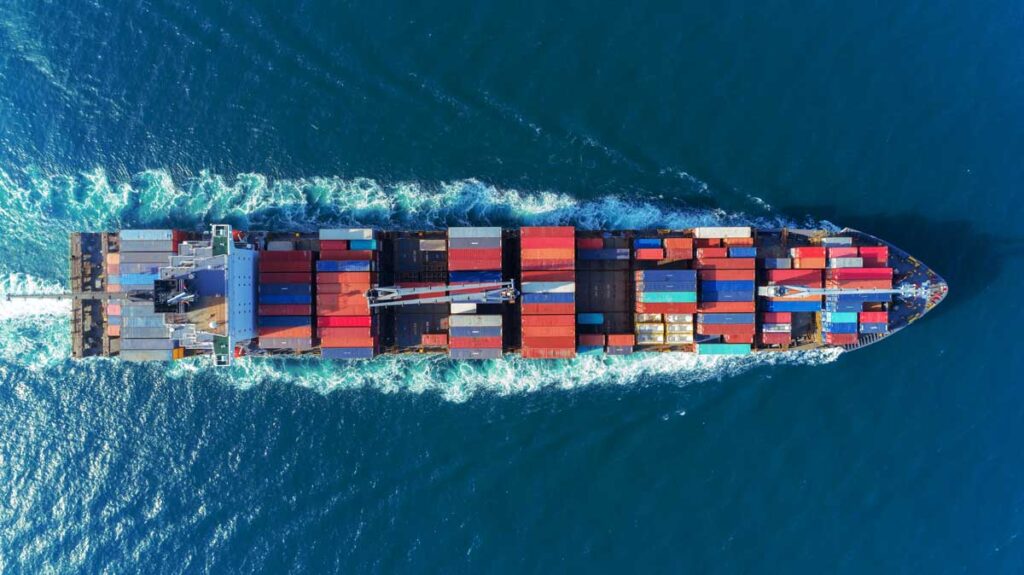
Main carriers operate weekly or bi-weekly services connecting China’s major ports with Portugal’s primary gateways, including Porto (Leixões), Lisbon, and Sines. Although direct sailings are rare, transshipment routes through Singapore, Tanjung Pelepas, and Algeciras provide stable service.
Typical Weekly Sailing Pattern
- Depart China: Shanghai, Ningbo, Shenzhen, Qingdao
- Transship: Singapore / Tanjung Pelepas / Algeciras
- Arrive Portugal: Leixões / Lisbon / Sines
Because sailing schedules vary by carr
2. Which Ports in China Offer the Fastest Routes to Portugal?
Some exporters ship from factory-adjacent ports to reduce domestic transportation costs. However, selecting major ports with strong vessel frequency improves reliability.
Best China Ports for Portugal-Bound FCL
- Shanghai – most stable sailing schedule
- Ningbo – excellent for manufacturing hubs in Zhejiang
- Shenzhen (Yantian) – ideal for electronics, apparel, and consumer goods
- Qingdao – strong northern factory connections
- Xiamen – convenient for Fujian suppliers
Additionally, these ports typically have good connections to major transshipment hubs.
3. What Transit Times Should Importers Expect When Shipping FCL to Portugal?
Transit times vary depending on the chosen origin port and transshipment location. Although most carriers follow similar routes, small differences in rotation affect delivery schedules.
Transit Time Overview
| Origin Port | Destination Port | Transit Time | Notes |
|---|---|---|---|
| Shanghai → Leixões | 29–36 days | Most consistent routing | |
| Ningbo → Lisbon | 30–38 days | Slightly slower due to routing | |
| Shenzhen → Sines | 32–42 days | Longer transshipment wait | |
| Qingdao → Leixões | 33–45 days | Two-stop transshipment possible |
Moreover, holidays such as Chinese New Year can add 5–10 extra days.
What are you waiting for?
Contact chinatopfreight for a fast, free quote.
Are you ready to book?
Access live instant freight quotes
4. What Are the Main Shipping Routes from China to Portugal?
Multiple transit corridors connect China and Portugal. Although there are no direct services, reliable transshipment hubs ensure smooth transport of FCL containers.
Common Route Structures
- China → Singapore → Algeciras → Portugal
- China → Tanjung Pelepas → Valencia → Portugal
- China → Port Klang → Rotterdam → Portugal
Because these hubs serve as major gateways, they provide weekly access to European feeder vessels.
5. How Often Do Carriers Depart China for Portugal?
Carriers typically offer weekly departures from major Chinese ports, with some premium services offering twice-per-week schedules.
Carrier Departure Frequency
| Carrier | Weekly Departures | Stability | Notes |
|---|---|---|---|
| MSC | 1–2 | High | Strong Mediterranean network |
| Maersk | 1 | High | Reliable transit times |
| CMA CGM | 1–2 | Very High | Good for Southern Europe |
| COSCO | 1 | Medium | Varies based on season |
| Hapag-Lloyd | 1 | Medium | Limited Portugal coverage |
Additionally, feeder schedules may influence final delivery windows.
6. What Factors Influence the Sailing Schedule for China–Portugal FCL Shipping?
Sailing schedules can shift weekly, especially when carriers adjust rotations to balance global demand. Therefore, importers should monitor updates regularly.
Key Influencing Factors
- Port congestion in Singapore or Algeciras
- Carrier blank sailings during off-peak months
- Weather disruptions such as typhoons and storms
- Container shortages in China
- Customs delays due to incomplete documentation
- Seasonal volume surges (Q3 and Q4)
Because these factors are unpredictable, booking early remains the safest strategy.
7. What Shipping Method Is Best for Sending Goods to Portugal?
Although FCL is preferred for bulk goods, it is helpful to compare alternative shipping methods for flexibility.
Shipping Method Comparison
| Method | Cost | Transit Time | Best For | Pros | Cons |
|---|---|---|---|---|---|
| FCL Shipping | $$ | 29–45 days | Bulk shipments | Cheapest per CBM | Slowest mode |
| LCL Shipping | $ | 35–55 days | Small shipments | Flexible volume | Longer handling time |
| Air Freight | $$$$ | 3–7 days | Urgent cargo | Fastest | High cost |
| Rail Freight | $$$ | 22–32 days | Central/Eastern Europe | Balanced speed and cost | Not suitable for Portugal |
Portugal lacks direct Asia–Europe rail connections, so FCL remains the primary method.
8. What Documents Are Required for FCL Shipping to Portugal?
Air freight is suitable for high-value, urgent, or time-sensitive goods.
Popular Categories
Complete documentation ensures quicker customs clearance and smoother entry into Portugal.
Customs Documents Checklist
| Document | Purpose | Notes |
|---|---|---|
| Commercial Invoice | Cargo valuation | Must state Incoterms |
| Packing List | Cargo details | Include box count and weight |
| Bill of Lading | Freight contract | Telex release recommended |
| Certificate of Origin | Trade preference | Required for some goods |
| EORI Number | Importer identification | Mandatory for EU imports |
| HS Codes | Customs classification | Must be accurate |
Additionally, incorrect HS codes may lead to customs delays.
- Electronics and mobile devices
- Fashion, clothing, and shoes
- Auto parts and accessories
- Jewelry and high-value items
- Pharmaceuticals and medical devices
- Consumer goods
- Technology and industrial components
Additionally, fragile or heat-sensitive cargo may require special packaging.
9. What Are the Estimated FCL Shipping Costs from China to Portugal?
Although prices fluctuate monthly, importers can expect a predictable cost structure.
Estimated Cost Breakdown
| Cost Component | Estimated Cost | Notes |
|---|---|---|
| Ocean Freight | $1,000–$2,400 | Varies by season and carrier |
| THC China | $120–200 | Port handling fees |
| THC Portugal | €180–320 | Destination port charges |
| Customs Brokerage | €80–150 | Required for most businesses |
| Duty & VAT | Based on HS code | Varies by product type |
Moreover, additional charges may apply for peak season or special handling.
10. How Should Importers Plan Their Shipping Around Sailing Schedules?
Because sailing schedules shift frequently, planning ahead reduces uncertainty and disruptions.
Planning Strategies
- Reserve space 2–3 weeks before ETD
- Avoid last-minute bookings during holiday periods
- Confirm vessel cut-off time for documents and VGM
- Monitor carrier schedule reliability
- Track container availability in the factory region
Importers who follow these steps significantly improve on-time performance.
Conclusion
The sailing schedule for FCL shipping from China to Portugal plays a central role in planning production, inventory, and distribution. Because vessel rotations, transshipment hubs, and carrier reliability can impact delivery times, importers must monitor schedules closely and reserve space ahead of peak seasons. Moreover, understanding transit times, documents, and inland logistics helps ensure a smooth and efficient import process. Ultimately, with the right planning and logistics partner, businesses can secure steady supply flows into Portugal and maintain a competitive edge in the European market.
FAQ
1. How often do vessels depart from China to Portugal?
Most major carriers offer weekly departures from ports like Shanghai, Ningbo, and Shenzhen, although frequencies may increase during high-demand seasons.
2. Which Portuguese port is best for FCL shipments?
Leixões is widely preferred due to its strong infrastructure and excellent inland access, although Lisbon and Sines also offer reliable service options.
3. Do sailing schedules change frequently?
Yes. Carriers often adjust schedules due to port congestion, weather conditions, and vessel availability. Regular monitoring is essential for accurate planning.
4. Are there any direct sailings from China to Portugal?
Most services are transshipment-based, with stops in Singapore, Tanjung Pelepas, or Algeciras before reaching Portugal’s main container ports.
5. How early should bookings be made?
Booking 2–3 weeks in advance helps secure container space, avoid blank sailings, and reduce the risk of schedules shifting unexpectedly.