

- By carlie tj
- September 5, 2025
- Logistics, Tips or Guide
Sea freight China to Australia is one of the most important trade routes, connecting Asia’s largest exporter with one of the Pacific’s strongest import markets. Importers often face challenges such as fluctuating shipping costs, container shortages, and customs regulations. By working with an experienced freight forwarder like ChinaTopFreight, businesses can ensure reliable, affordable, and timely cargo delivery.
1. Why Choose Sea Freight from China to Australia?
Sea freight is the backbone of China–Australia trade. Around 90% of cargo volume moves via ocean due to its cost efficiency and large capacity. Compared to air freight, shipping by sea offers:
- Lower cost per cubic meter
- Capacity for heavy or oversized cargo
- Regular sailings between major ports
Therefore, businesses importing machinery, textiles, electronics, and raw materials often rely on this method.
2. What Are the Main Shipping Methods Available?
| Method | Transit Time | Cost Level | Pros | Cons |
|---|---|---|---|---|
| FCL (Full Container Load) | 15–25 days | Moderate | Exclusive use of container, faster handling | Higher upfront cost if underutilized |
| LCL (Less than Container Load) | 18–30 days | Low | Flexible, affordable for small cargo | Longer consolidation time |
| RORO (Roll-on/Roll-off) | 20–30 days | Variable | Best for vehicles and wheeled cargo | Limited ports and schedules |
3. How Much Does Sea Freight from China to Australia Cost?
Sea freight costs vary depending on cargo size, route, and season:
- 20ft Container (FCL): USD 1,200–2,000
- 40ft Container (FCL): USD 2,200–3,800
- LCL Shipments: USD 50–80 per cubic meter (CBM)
Additionally, importers should budget for port charges, customs duties, and inland trucking.
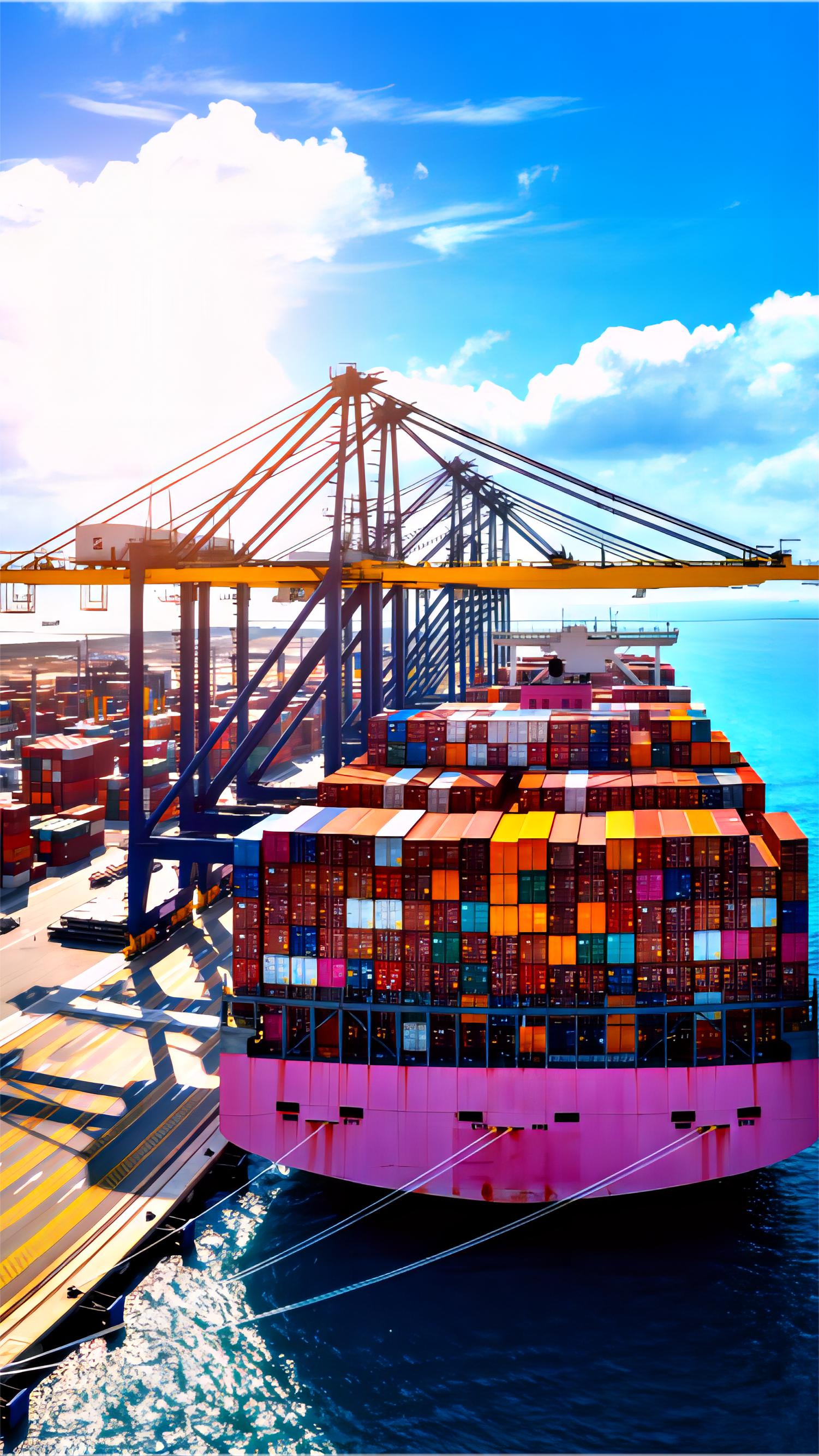
4. Which Are the Major Ports in China and Australia?
China Export Ports: Shanghai, Shenzhen, Ningbo, Qingdao, Guangzhou.
Australia Import Ports: Sydney, Melbourne, Brisbane, Fremantle, Adelaide.
These ports are well connected, ensuring efficient container handling and frequent sailing schedules.
5.Do Logistics Trends Impact Sea Freight China to Australia?
Yes, global trade conditions influence costs and schedules. Recent trends include:
- Higher bunker fuel charges affecting freight rates
- Digital freight platforms improving tracking
- Growing sustainability initiatives in shipping
- Port congestion during peak seasons
6.What Documents Are Required for Sea Freight to Australia?
Importers must prepare the following:
- Bill of Lading
- Commercial Invoice
- Packing List
- Import Declaration
- Certificate of Origin (if required for tariffs)
- Specific licenses for restricted goods
7.Conclusion
Sea freight China to Australia remains the most cost-effective method for transporting bulk cargo. By choosing the right mode—FCL, LCL, or RORO—importers can balance cost, speed, and flexibility. Preparing accurate documentation, leveraging trade agreements, and working with a professional freight forwarder are crucial to success.
For dependable solutions and smooth sea freight China to Australia, trust experts like ChinaTopFreight to deliver your cargo efficiently and on schedule.
8. Request a Quote
China Top Freight offers:
- ✅ Origin and Destination Countries
- ✅ Cargo Type and Volume
- ✅ Preferred Transport Method (Air, Sea, Rail, Road)
- ✅ Delivery Timeline
- ✅ Special Handling Requirements (if any)
9. FAQ
1. What incoterms are common for sea freight from China to Australia?
FOB, CIF, and DDP are widely used. FOB suits bulk sea freight, while DDP offers hassle-free delivery as the seller covers all duties and taxes.
2. Can I import perishable goods by sea freight?
Yes, reefer containers allow perishable cargo like seafood or produce, but importers must follow Australian biosecurity rules and obtain the necessary permits.
3. How can I reduce delays in sea freight shipments?
Book space early, ensure accurate documents, and use trusted freight forwarders. Choosing less congested ports and flexible schedules also minimizes risks.
4. Are hazardous goods allowed in sea freight to Australia?
Hazardous items require DG-certified packaging, labeling, and approvals. Permits may be necessary, and clearance usually takes longer than regular shipments.
5. Do I need insurance for sea freight from China?
Marine cargo insurance is strongly recommended. It protects against loss, damage, or delays, providing security for high-value or fragile cargo shipments.