

Sea Freight China to Canada plays a vital role in international trade, powering supply chains for businesses of all sizes. However, importers often struggle with questions about shipping costs, customs clearance, delivery times, and container choices. This guide simplifies the process of managing Sea Freight China to Canada and helps you plan smarter logistics decisions.
1. What Is Sea Freight from China to Canada?
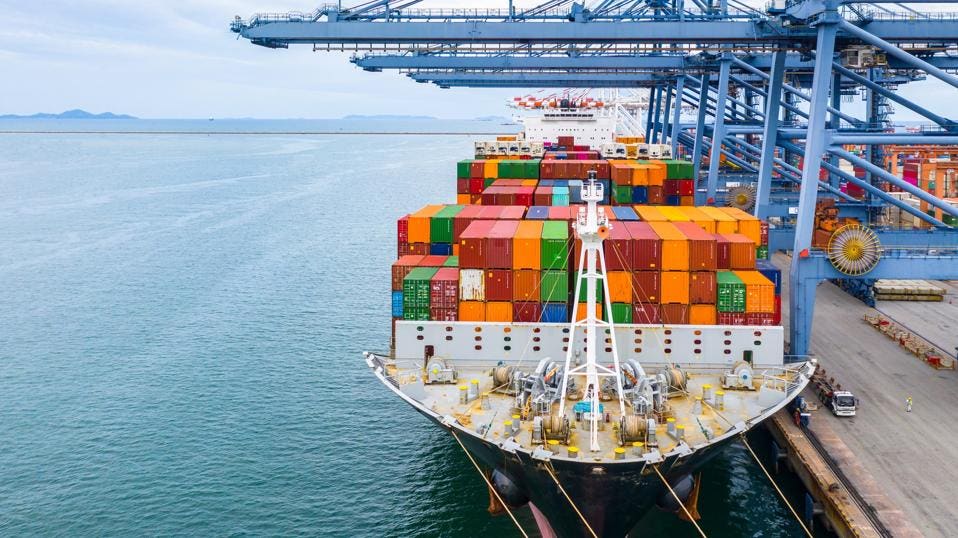
Sea Freight China to Canada refers to the transportation of goods by ocean container ships. It is the most cost-effective and scalable method for bulk cargo. Businesses shipping from China to Canada often rely on Full Container Load (FCL) or Less than Container Load (LCL) services depending on shipment size.
Moreover, Sea Freight China to Canada allows flexibility in handling diverse products such as electronics, textiles, automotive parts, and furniture.
2. Why Choose Sea Freight China to Canada Instead of Air?
Although air freight is faster, Sea Freight China to Canada offers much lower shipping costs, particularly for heavy or bulky items.
| Mode | Average Transit Time | Cost Range per CBM | Pros | Cons |
|---|---|---|---|---|
| Sea Freight (LCL) | 25–40 days | $60–$100 | Affordable, scalable, suitable for all cargo types | Slower delivery |
| Sea Freight (FCL) | 25–35 days | $1,200–$2,500/container | Economical for large shipments, predictable pricing | Requires volume |
| Air Freight | 5–10 days | $5–$9/kg | Fast, secure, ideal for urgent cargo | Expensive |
3. How Much Does Sea Freight China to Canada Cost?
Sea Freight China to Canada pricing depends on various factors:
- Container type: 20ft or 40ft
- Shipping route and port fees
- Weight/volume of goods
- Seasonal demand and fuel surcharges
| Container Type | Average Cost (USD) | Cargo Volume Capacity |
|---|---|---|
| 20ft FCL | $1,200 – $1,800 | ~28 CBM (~10 pallets) |
| 40ft FCL | $2,200 – $2,800 | ~58 CBM (~22 pallets) |
| LCL | $60 – $100/CBM | Shared container |
What are you waiting for?
Contact TJ China Freight for a fast, free quote.
Are you ready to book?
Access live instant freight quotes
4. Which Routes Connect China and Canada by Sea?
Several major shipping routes handle Sea Freight China to Canada:
- Shanghai to Vancouver – Most popular route with frequent sailings.
- Shenzhen to Toronto (via Vancouver) – Common for electronics and e-commerce.
- Qingdao to Montreal (via East Coast) – Longer transit but suitable for certain supply chains.
Average transit time ranges 25–40 days, depending on the port of departure and final Canadian destination.
5. What Are the Customs Requirements for Sea Freight to Canada?
Importers must comply with Canadian customs regulations to avoid delays when managing Sea Freight China to Canada.
| Required Documents for Customs | Description |
|---|---|
| Bill of Lading | Issued by carrier as proof of shipment |
| Commercial Invoice | Itemized product details with value |
| Packing List | Weight, dimensions, packaging details |
| Certificate of Origin | Confirms where goods were manufactured |
| Import Permits (if applicable) | Required for restricted items |
6. Should You Choose FCL or LCL for Shipping to Canada?
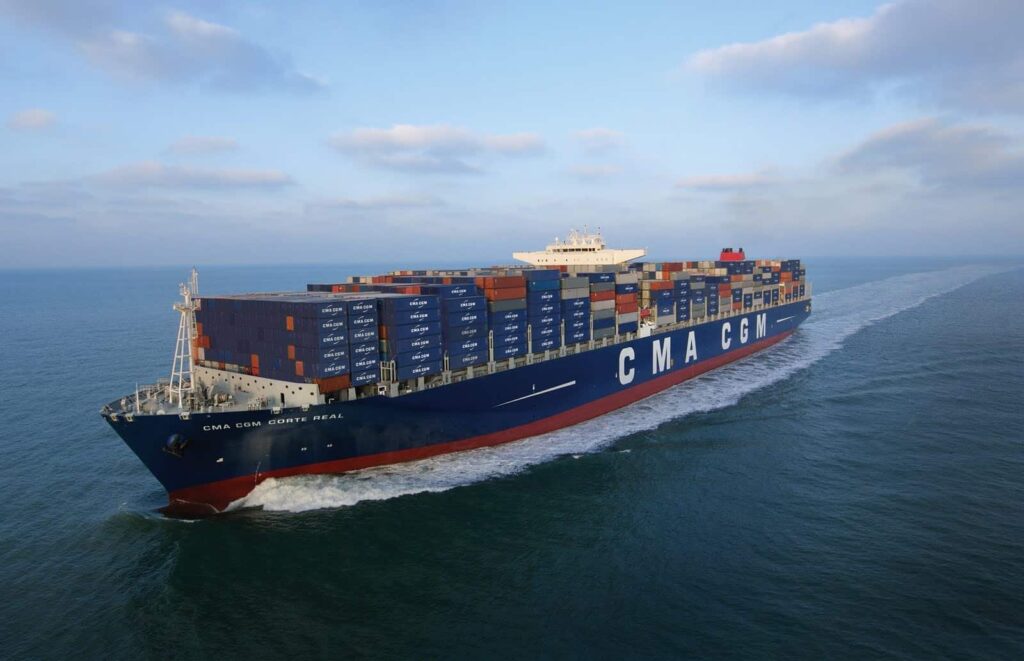
The decision between FCL and LCL for Sea Freight China to Canada depends on cargo size, urgency, and budget.
| Option | Best For | Key Advantages | Key Disadvantages |
|---|---|---|---|
| FCL | Large shipments | Lower cost per unit, secure cargo, fixed container | Higher upfront cost, requires more goods |
| LCL | Smaller shipments | Cost-sharing, flexibility | Risk of delays if other shippers’ cargo not ready |
7. How Long Does Sea Freight China to Canada Take?
Transit times for Sea Freight China to Canada vary based on route and port congestion.
| Route | Transit Time (Days) | Notes |
|---|---|---|
| Shanghai → Vancouver | 25–28 days | Fastest route, high frequency |
| Shenzhen → Toronto | 30–35 days | Often includes inland rail |
| Qingdao → Montreal | 35–40 days | Longer but viable for East Coast imports |
8. What Factors Affect Sea Freight Rates from China to Canada?
Several factors influence Sea Freight China to Canada costs:
- Fuel surcharges (BAF)
- Port handling fees
- Container imbalance surcharges
- Seasonal peak demand
- Global trade policies
Therefore, planning shipments outside peak seasons can reduce expenses significantly.
9. Can Door-to-Door Sea Freight Simplify Your Shipping?
Yes. Many freight forwarders offer door-to-door Sea Freight China to Canada services, covering pickup in China, ocean freight, customs clearance, and final delivery in Canada.
This option saves time, improves visibility, and reduces the complexity of handling logistics across multiple providers.
11. What Mistakes Should Importers Avoid When Shipping to Canada?
- Not verifying HS codes for correct duties.
- Ignoring seasonal rate fluctuations.
- Choosing LCL when volume justifies FCL.
- Failing to work with an experienced forwarder for Sea Freight China to Canada.
12. How to Choose the Best Freight Forwarder for Canada Imports?
When evaluating forwarders for Sea Freight China to Canada, consider:
- Experience in China–Canada trade lanes
- Transparent cost breakdown
- Support for customs clearance
- Tracking and visibility tools
- Contracted carrier rates
Final Thoughts
Sea Freight China to Canada is the most economical and scalable shipping option for businesses importing goods. While transit times are longer, costs are significantly lower than air freight. By carefully selecting between FCL or LCL, planning routes, and preparing customs documents, importers can achieve seamless logistics.
FAQ
Q1. What’s the cheapest way to ship from China to Canada?
Sea freight via LCL is the most affordable for smaller shipments, while FCL offers better value for larger cargo volumes.
Q2. Do I need an import license to ship goods to Canada?
Most products don’t require an import license, but restricted goods like chemicals, food, or electronics may need permits or certifications.
Q3. How can I reduce shipping costs from China to Canada?
Plan shipments outside peak season, consolidate cargo, choose FCL for volume, and work with a forwarder for better negotiated rates.
Q4. Can I track my sea freight shipment to Canada?
Yes. Most carriers and freight forwarders provide online tracking platforms, allowing visibility of shipment status throughout the ocean journey.
Q5. What hidden fees should I watch out for in sea freight?
Q5. What hidden fees should I watch out for in sea freight?
Be aware of port charges, customs inspection fees, storage fees, and delivery surcharges beyond the quoted freight rate.