

- By kelly
- September 22, 2025
- Logistics, Tips or Guide
Sea Freight China to Germany: Complete Cost, Transit, and Logistics Guide
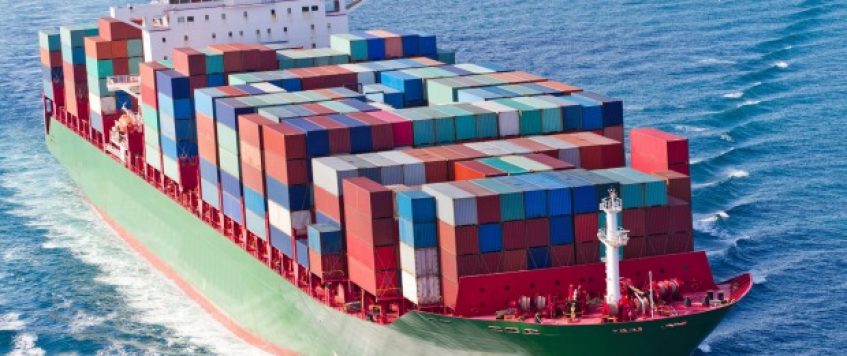
Sea freight China to Germany is one of the most important trade routes connecting Asia with Europe. With China as the world’s largest exporter and Germany as Europe’s strongest economy, the shipping lane between these two giants is crucial for global supply chains. However, importers often face challenges such as fluctuating freight rates, long transit times, and customs complexities. This guide explores everything you need to know, including costs, transit times, shipping options, required documents, and strategies to optimize your logistics.
What Is Sea Freight from China to Germany?
Sea freight refers to shipping goods via cargo vessels across the ocean. It is the most cost-effective method for transporting large volumes of goods. Moreover, sea freight from China to Germany primarily uses FCL (Full Container Load) and LCL (Less than Container Load) services, depending on shipment size.
| Feature | Details | Notes |
|---|---|---|
| Transit Time | 28–40 days | Varies by port and route |
| Cost | $1,500–$5,000 per container | Based on container size & demand |
| Cargo Types | Machinery, electronics, textiles, automotive | Bulk shipments ideal |
| Major Ports in China | Shanghai, Shenzhen, Ningbo | High-capacity terminals |
| Major Ports in Germany | Hamburg, Bremerhaven | Key EU gateways |
How Much Does Sea Freight from China to Germany Cost?
Costs depend on container type, port of departure, and seasonal demand. Additionally, fuel surcharges, customs fees, and handling charges affect total costs.
| Shipping Type | Average Cost | Transit Time | Best For |
|---|---|---|---|
| FCL 20ft | $1,500–$2,500 | 28–35 days | Small-medium shipments |
| FCL 40ft | $2,500–$5,000 | 28–40 days | Large shipments |
| LCL | $50–$80 per CBM | 30–42 days | SMEs and small cargo |
Why Choose Sea Freight Over Rail or Air Freight?
Which Are the Main Shipping Routes from China to Germany?
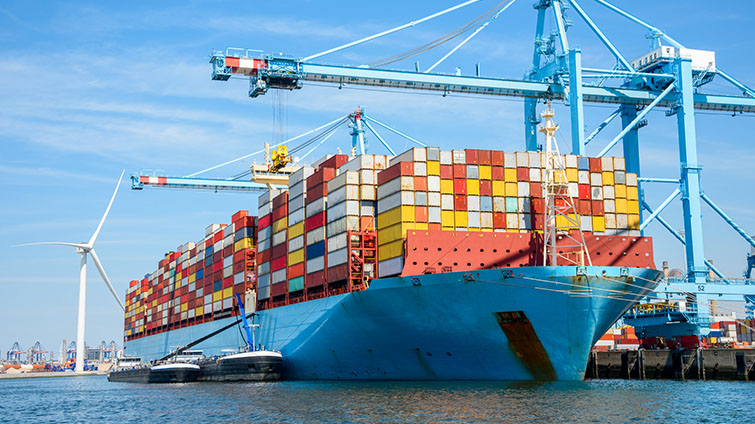
Sea routes usually pass through the Suez Canal before reaching Northern Europe. Major ports in China connect directly with Germany’s key entry points.
| Route | Origin Port | Destination Port | Transit Time |
|---|---|---|---|
| East China – North Europe | Shanghai → Hamburg | Hamburg | 30–35 days |
| South China – North Europe | Shenzhen → Bremerhaven | Bremerhaven | 32–38 days |
| Central China – North Europe | Ningbo → Hamburg | Hamburg | 28–34 days |
What Documents Are Needed for Sea Freight to Germany?
Proper documentation ensures smooth customs clearance.
| Document | Purpose |
|---|---|
| Bill of Lading | Proof of shipment |
| Commercial Invoice | Declares value |
| Packing List | Shipment details |
| Certificate of Origin | Confirms source country |
| Customs Declaration | Required for EU entry |
| Import License (if applicable) | For restricted goods |
How Long Does Sea Freight from China to Germany Take?
Transit time varies based on shipping line, port congestion, and customs clearance.
| Route | Average Transit Time | Notes |
|---|---|---|
| Shanghai → Hamburg | 30–35 days | Most common |
| Ningbo → Bremerhaven | 28–34 days | Efficient |
| Shenzhen → Hamburg | 32–38 days | Longer distance |
How Has the Supply Chain Landscape Affected Sea Freight?
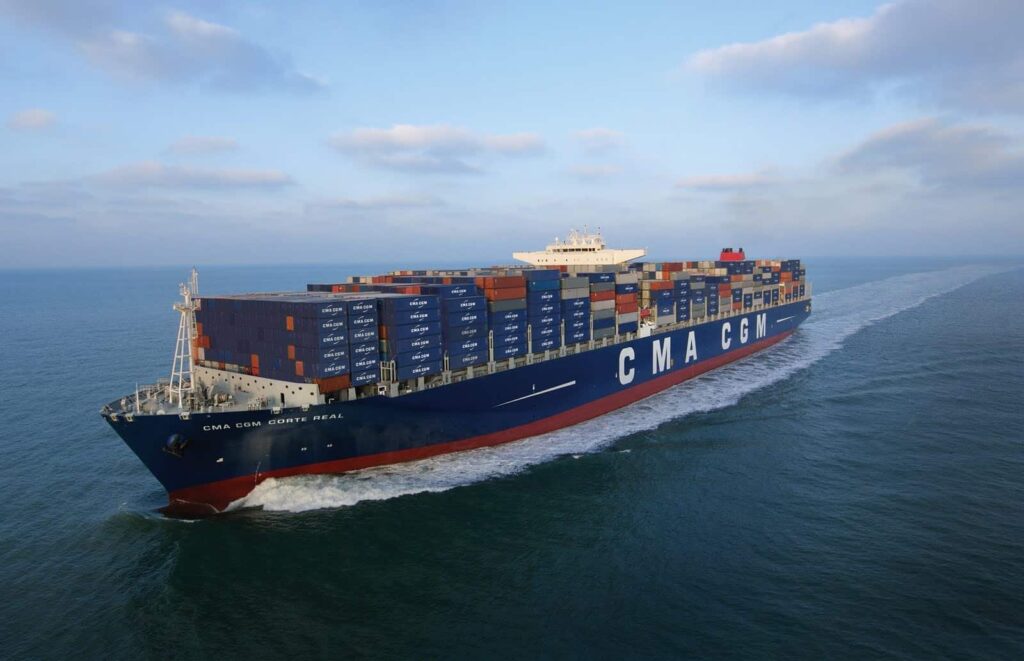
Global logistics trends directly impact sea freight between China and Germany.
- Port congestion delays schedules during peak season.
- Rising fuel costs increase freight rates.
- Digital tracking systems improve visibility.
- Sustainability efforts drive demand for eco-friendly vessels.
Can Businesses Reduce Sea Freight Costs from China to Germany?
Yes. Companies can reduce expenses by:
- Consolidating shipments into FCL containers.
- Booking early to avoid peak season surcharges.
- Choosing alternative ports with less congestion.
- Working with experienced freight forwarders for better rates.
Should You Choose FCL or LCL Shipping?
The choice depends on shipment volume, urgency, and budget.
| Method | Pros | Cons |
|---|---|---|
| FCL | Lower unit cost, faster, secure | Higher upfront cost |
| LCL | Flexible for small loads, cost-sharing | Longer transit, higher risk of delays |
Pros and Cons of Sea vs Air vs Rail Freight
| Mode | Pros | Cons |
|---|---|---|
| Sea Freight | Cheapest for bulk, eco-friendly, reliable | Long transit, delays at ports |
| Air Freight | Fastest, great for urgent shipments | Expensive, limited cargo types |
| Rail Freight | Balanced speed and cost, stable schedules | Limited reach, higher than sea |
📦Get a Free Quote
Sea freight China to Germany remains a cost-effective option for importers and exporters. Our logistics team offers tailored solutions, competitive pricing, and expert customs clearance support. Contact us today for a free shipping quote.
❓ Frequently Asked Questions
1. How long does sea freight from China to Germany take?
It usually takes 28–40 days, depending on the port of departure, destination, and shipping line.
2. Is sea freight cheaper than rail freight?
Yes. Sea freight is generally the most cost-effective option, especially for bulk cargo, though rail is faster.
3. What are the busiest ports for sea freight from China to Germany?
Shanghai, Shenzhen, and Ningbo in China; Hamburg and Bremerhaven in Germany.
4. Can I ship small cargo by sea freight?
Yes, LCL services allow small shipments to share container space, lowering costs.
5. Do customs charges affect overall shipping costs?
Yes, import duties, taxes, and clearance fees add to freight costs and must be considered.
Conclusion
Sea freight China to Germany remains the backbone of international trade, offering cost-effective transportation for bulk goods. While transit times are longer compared to air or rail, the affordability and capacity make sea freight the preferred choice for most businesses. Therefore, companies importing from China should integrate sea freight into their supply chain strategies to balance cost, efficiency, and reliability.