Shipping goods internationally requires careful planning, especially when arranging sea freight China to UK. Many importers face questions about costs, transit times, customs clearance, and the best shipping method. This guide breaks everything down to simplify your decisions and help optimize your supply chain.
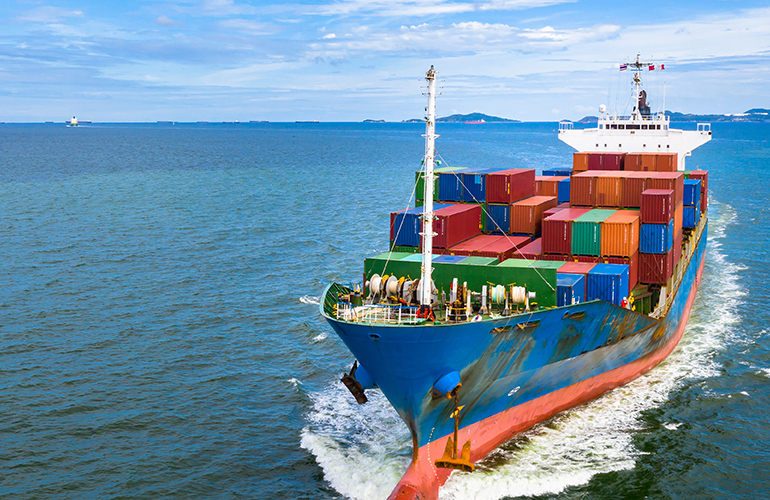
Sea freight China to UK refers to transporting goods across the ocean via container ships. It’s the most common shipping method for bulk imports because it is cost-effective compared to air freight.
2. Why Choose Sea Freight for China–UK Trade?
Lower cost for bulk goods compared to air freight.
Regular sailings from major Chinese ports like Shanghai, Ningbo, Shenzhen.
Ability to transport full container loads (FCL) or consolidated less-than-container loads (LCL).
3. How Much Does Sea Freight Cost from China to UK?
Shipping costs vary based on container size, route, and seasonality. Fuel prices and port surcharges also influence the total rate.
Shipping through sea freight China to UK offers the most affordable way to move goods in bulk, despite longer transit times. By understanding costs, customs requirements, and transit schedules, importers can plan effectively and avoid delays. Partnering with a trusted freight forwarder ensures smoother logistics and reduced risk, helping your business thrive in UK-China trade.
Q1: What is the cheapest way to ship goods from China to the UK?
The cheapest option is sea freight using LCL, where you pay only for the space used instead of booking a full container.
Q2: How much time does customs clearance in the UK usually take?
Customs clearance typically takes 1–3 days if all documents are accurate, though delays may occur if inspections are required or paperwork is incomplete.
Q3: Can I track my container shipped from China to the UK?
Yes, most freight forwarders and carriers provide online tracking systems that allow you to monitor your container’s journey from China to the UK.
Q4: Do I need insurance for sea freight shipments?
While not mandatory, insurance is strongly recommended to protect against loss, damage, or delays during the lengthy sea voyage.
Q5: What goods are commonly shipped from China to the UK by sea?
Electronics, textiles, furniture, machinery, toys, and consumer goods are the most frequently imported products shipped by sea from China to the UK.