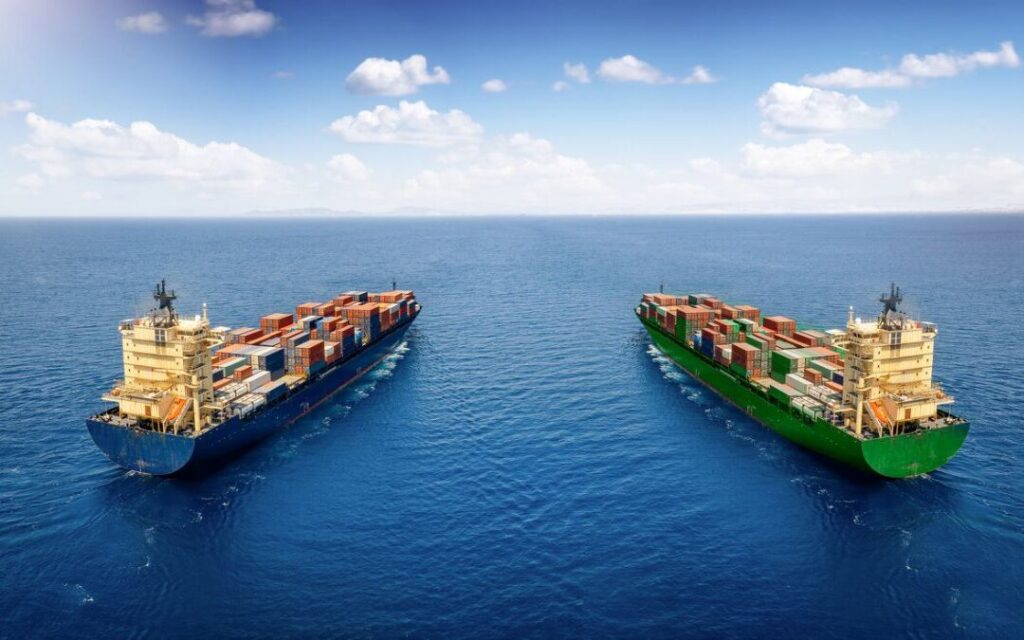
Sea freight China to USA is the most common and cost-effective shipping method for businesses importing goods from Asia. With strong trade ties and high container volumes, reliable Chinese freight forwarders help importers manage transit times, customs clearance, and logistics efficiently. Whether choosing FCL or LCL, understanding costs, shipping routes, and required documents is essential for smooth supply chain operations.
What Customs Documents Are Required for Importing to the USA?
Document
Purpose
Commercial Invoice
Declares cargo value
Packing List
Details goods
Bill of Lading (B/L)
Transport contract proof
Certificate of Origin
Identifies source
ISF Filing
Required for US customs
Which Factors Influence Sea Freight Costs?
Shipping route and port selection
Container size and cargo weight
Peak seasons (before Chinese New Year or holidays)
Fuel surcharges and tariffs
Customs duties and import taxes
Sea Freight vs Air Freight: Which is Better?
Factor
Sea Freight
Air Freight
Cost
$2,500–$4,800 (FCL)
$6–$10/kg
Speed
15–40 days
3–7 days
Cargo Volume
Large & heavy loads
Small, urgent shipments
Environmental Impact
Lower per unit
Higher carbon footprint
Do Rail or Multimodal Options Exist for China–USA?
Unlike Europe, rail is not available directly. However, multimodal shipping (rail to European hubs + sea freight to the USA) exists but is slower and less cost-effective compared to direct sea routes.
What Industries Rely Most on Sea Freight China to USA?
Electronics – smartphones, computers, accessories
Furniture – large-volume shipments in FCL containers
Apparel & textiles – LCL for fashion brands and e-commerce
Automotive parts – heavy machinery and bulk items
Medical supplies – temperature-controlled containers for pharma goods
How Can Importers Reduce Sea Freight Costs?
Consolidate cargo into FCL when possible
Book shipments early during peak season
Use alternative ports to avoid congestion
Partner with reliable Chinese freight forwarders
Negotiate long-term contracts with carriers
Customs Challenges When Importing from China to USA
Incorrect HS codes delaying clearance
Incomplete ISF filings resulting in fines
Mismatched invoices and packing lists
Restricted items requiring special permits
Working with experienced agents ensures compliance with US import regulations.
Final Thoughts
Sea freight China to USA remains the backbone of global trade, offering affordability and reliability for bulk cargo. While air freight is faster, ocean transport provides unmatched value for large shipments. By preparing customs documents correctly, choosing between FCL and LCL wisely, and booking early, businesses can reduce delays and costs. Partnering with an experienced Chinese freight forwarder ensures your goods move smoothly across the Pacific.