

- By carlie tj
- September 28, 2025
- Logistics Guide
Sea freight China USA is one of the most cost-effective and widely used methods of transporting goods across the Pacific. China Top Freight provides reliable solutions for businesses seeking efficient logistics, competitive pricing, and smooth customs clearance when shipping from China to the United States. This guide explains everything you need to know about shipping costs, transit times, shipping options, and best practices.
1. What Is Sea Freight from China to USA?
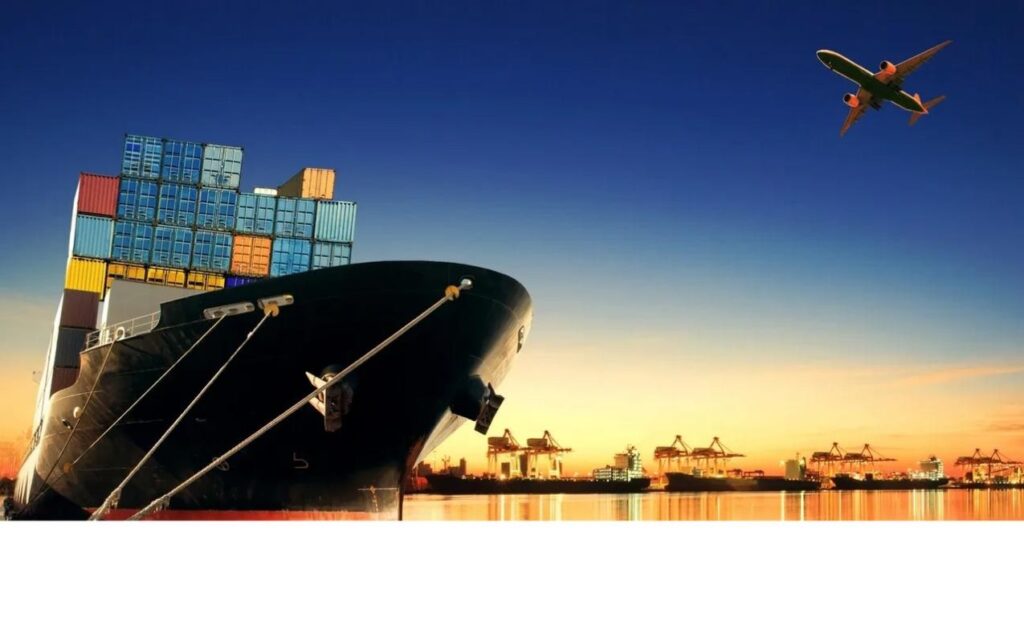
Sea freight refers to the transportation of goods via container ships across the Pacific Ocean. Businesses choose this mode because it accommodates bulk cargo at significantly lower costs compared to air freight. However, the trade-off is longer transit times and the need to manage customs regulations at both ends.
2. Why Choose Sea Freight China USA Over Other Shipping Methods?
Sea freight is particularly advantageous when dealing with large volumes, heavy machinery, or non-urgent deliveries. Compared to air freight or rail freight, it offers the lowest per-unit cost. Additionally, containerization ensures goods are protected and organized, making supply chain operations more efficient.
3. How Long Does Sea Freight Take from China to USA?
Transit times vary depending on origin and destination ports, shipping routes, and customs clearance speed. On average, it takes 20–40 days.
| Origin Port (China) | Destination Port (USA) | Average Transit Time |
|---|---|---|
| Shanghai | Los Angeles | 15–20 days |
| Shenzhen | New York | 28–35 days |
| Ningbo | Houston | 25–30 days |
| Qingdao | Miami | 30–40 days |
4. How Much Does Sea Freight from China to USA Cost?
Shipping costs depend on container size, shipping terms (FCL or LCL), seasonality, and surcharges.
| Container Type | Average Cost (USD) | Cargo Capacity | Best For |
|---|---|---|---|
| 20ft FCL | $2,500 – $4,000 | 25–28 CBM | Small businesses with bulk orders |
| 40ft FCL | $4,500 – $6,800 | 55–60 CBM | Large shipments or mixed cargo |
| LCL (per CBM) | $80 – $120 | Shared space | Smaller loads below 15 CBM |
5. What Documents Are Required for Sea Freight China USA?
Customs clearance requires accurate documentation. Missing or incorrect paperwork may lead to delays or fines.
- Bill of Lading (B/L)
- Commercial Invoice
- Packing List
- Importer Security Filing (ISF) for the USA
- Certificate of Origin (if required)
- Customs Bond
6. How Can Businesses Optimize Sea Freight from China to USA?
- Plan shipments ahead to avoid peak season surcharges.
- Work with experienced freight forwarders.
- Choose the right Incoterms (FOB, CIF, DDP).
- Consolidate shipments for cost efficiency.
- Ensure accurate customs documentation.
With sea freight China USA solutions, you can streamline supply chains, reduce shipping costs, and manage delivery schedules effectively. Partnering with a trusted logistics provider ensures your shipments are handled smoothly from port to door.
7.Conclusion
Sea freight China USA remains the most reliable and cost-effective shipping method for large volumes of goods. While transit times are longer than air freight, the savings and capacity advantages make it the preferred choice for many importers. With proper planning, accurate customs documentation, and a trusted logistics partner, businesses can achieve smooth, affordable, and efficient international trade.
8. Request a Quote
China Top Freight offers:
- ✅ Origin and Destination Countries
- ✅ Cargo Type and Volume
- ✅ Preferred Transport Method (Air, Sea, Rail, Road)
- ✅ Delivery Timeline
- ✅ Special Handling Requirements (if any)
9. FAQ
1. What is the cheapest way to ship goods from China to USA?
The cheapest option is sea freight via LCL, especially for small shipments under 15 CBM that don’t require a full container.
2. Which US port is best for shipments from China?
The West Coast, especially Los Angeles or Long Beach, offers faster transit times and lower inland transport costs for many businesses.
3. Do I need an Importer Security Filing for sea freight?
Yes, the US requires ISF submission 24 hours before loading cargo in China to avoid penalties and customs delays.
4. How can I reduce shipping costs from China to USA?
Plan early, consolidate shipments, choose the right container size, and work with forwarders offering contract rates with major carriers.
5. What types of goods are best shipped by sea freight?
Heavy, bulky, or non-urgent items such as furniture, machinery, textiles, and electronics are ideal to minimize shipping costs.