

Sea Freight from China to Australia: Your Ultimate Guide
Shipping goods from China to Australia requires a robust logistics strategy, and understanding sea freight from China to Australia is crucial for businesses. Many importers face challenges with fluctuating costs, extended transit times, and complex customs procedures. This comprehensive guide aims to simplify the process, offering practical insights and solutions to ensure your cargo arrives efficiently and affordably.
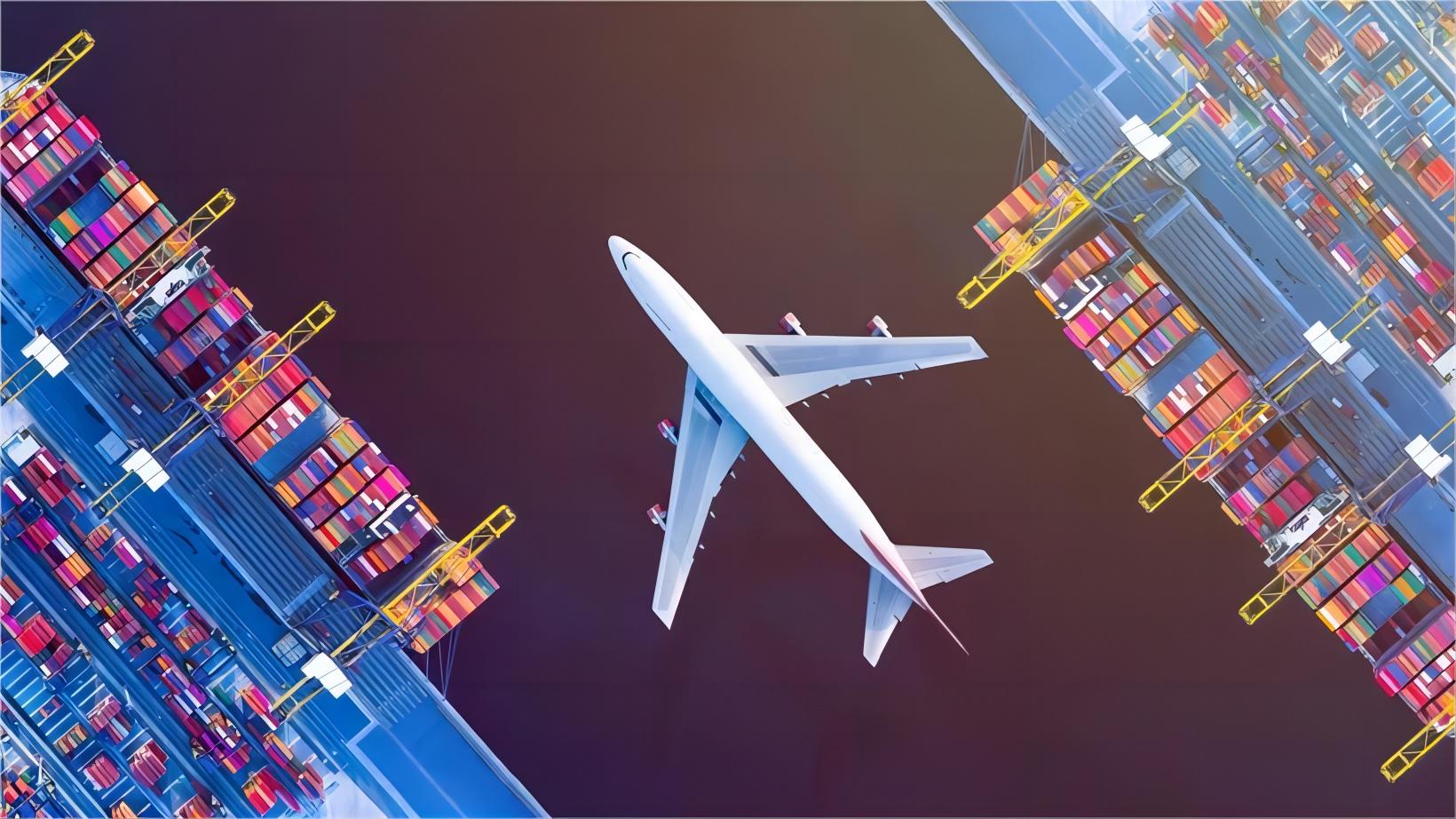
Understanding Sea Freight from China to Australia
Sea freight involves transporting goods via cargo ships, a cornerstone of global trade, especially for long-distance routes like China to Australia. This method is particularly suitable for large volumes and heavy items, offering a cost-effective solution for businesses.
Essentially, goods are loaded into containers at a port in China, then shipped across the ocean to a designated port in Australia. The entire process, therefore, requires careful planning and coordination with logistics providers.
Key Factors Influencing Sea Freight Costs and Transit Times
Several critical factors determine the cost and transit time of your sea freight shipment from China to Australia. Understanding these elements is vital for effective budget planning and managing delivery schedules.
For instance, the type of container, the specific ports involved, and the current market demand all play significant roles. Consequently, careful consideration of these aspects can lead to more efficient shipping.
Container Types and Their Impact
The choice between Full Container Load (FCL) and Less than Container Load (LCL) significantly impacts pricing. FCL is generally more cost-effective for larger volumes, while LCL suits smaller shipments by consolidating cargo from multiple shippers.
Routes and Transit Times
Typical transit times for direct routes from major Chinese ports like Shanghai, Ningbo, or Shenzhen to Australian ports such as Sydney, Melbourne, or Brisbane range from 12 to 18 days. However, transshipment through hubs like Singapore can extend this period.
Furthermore, vessel schedules and potential port congestion can also influence the overall delivery schedule. It is important to factor in these variables when estimating arrival times.
Seasonal Variations and Market Trends
Freight rates are subject to seasonal fluctuations, often increasing during peak seasons like Chinese New Year, Golden Week, or the pre-holiday rush in Q3 and Q4. Moreover, global economic factors and fuel costs significantly impact pricing.
According to industry benchmarks, rates typically increase 15-25% during August-October peak season. Therefore, booking in advance during these periods is often advisable to secure better rates.
China to Australia Container Rates & Transit
Based on current market rates as of early 2025, here is an overview of typical costs and transit times for standard containers.
| Container Type | Cost Range (USD) | Transit Time (Days) | Best For |
|---|---|---|---|
| 20GP (20ft General Purpose) | $800 – $1,200 | 12 – 18 | Smaller volumes, heavy goods |
| 40GP (40ft General Purpose) | $1,200 – $1,800 | 12 – 18 | Medium volumes, lighter goods |
| 40HQ (40ft High Cube) | $1,400 – $2,000 | 12 – 18 | Larger volumes, bulky goods |

The Sea Freight Process: Step-by-Step Guide
Navigating the sea freight process from China to Australia involves several crucial steps, each requiring meticulous attention. Understanding this journey can help importers prepare adequately and avoid common pitfalls.
Indeed, from initial booking to final delivery, a structured approach ensures a smoother and more predictable shipping experience.
Booking Your Shipment
Initially, you will need to choose a reliable freight forwarder and provide details about your cargo, including its type, volume, weight, and desired delivery timeframe. Your forwarder will then secure space on a vessel.
Consequently, early booking is often recommended, especially during high-demand periods, to guarantee space and potentially better rates.
Documentation and Customs Clearance
Proper documentation is paramount for international shipping. This includes the Bill of Lading, commercial invoice, packing list, and potentially certificates of origin or compliance. Any inaccuracies can lead to significant delays and penalties.
Moreover, effective customs brokerage is essential for navigating Australian import regulations. Experienced brokers ensure all declarations are accurate and tariffs are correctly applied.
Tracking and Delivery
Most freight forwarders offer tracking services, allowing you to monitor your shipment’s progress from port to port. Once the vessel arrives in Australia, the cargo undergoes customs clearance and then proceeds to its final destination.
Ultimately, the final leg of the journey typically involves trucking or rail transport to your warehouse or distribution center, completing the door-to-door service.
Key Documents for Australian Imports
To ensure seamless customs clearance in Australia, several key documents are typically required. Preparing these in advance can prevent delays.
| Document | Purpose | Notes |
|---|---|---|
| Commercial Invoice | Details goods, value, seller, buyer | Must be accurate for customs valuation |
| Packing List | Details contents of each package | Aids in inspection and inventory |
| Bill of Lading (B/L) | Contract between shipper and carrier | Proof of ownership and receipt of goods |
| Certificate of Origin | Confirms country of manufacture | May qualify for preferential tariffs |
| Import Permit (if applicable) | Required for certain regulated goods | Check Australian Border Force guidelines |
How Does Sea Freight Compare to Other Shipping Options?
While sea freight is often the most economical choice for shipping from China to Australia, it is beneficial to understand its alternatives. Different shipping methods cater to varying needs regarding speed, cost, and cargo type.
Therefore, a comparative analysis helps businesses select the most appropriate logistics solution for their specific requirements.
Shipping Method Comparison
Here is a comprehensive comparison of viable shipping options from China to Australia, highlighting their pros and cons.
| Shipping Method | Cost Range (USD) | Transit Time | Best For | Limitations |
|---|---|---|---|---|
| Sea Freight (FCL) | $800 – $2,000 (per container) | 12 – 18 days | Large volumes, heavy goods, cost-saving | Slowest, potential port delays |
| Sea Freight (LCL) | $50 – $80 per CBM | 18 – 25 days | Smaller volumes, less urgent | Longer transit than FCL, potential delays |
| Air Freight (Standard) | $5 – $10 per kg | 5 – 8 days | Urgent, high-value, small volume | Most expensive, weight/volume limits |
| Air Freight (Express) | $10 – $20+ per kg | 2 – 4 days | Very urgent, samples, documents | Extremely expensive, strict limits |
Which Option Should You Choose?
Making the right choice depends on your priorities and cargo specifics. Consider these factors when deciding on your shipping method.
Budget priority: If cost is your primary concern and time is not critical, sea freight (especially FCL for larger volumes) is generally the most economical.
Speed priority: For urgent shipments or time-sensitive inventory, air freight offers significantly faster transit times, despite higher costs.
Cargo type considerations: Hazardous materials or extremely bulky items often have specific handling requirements that might favor one method over another. Moreover, perishable goods typically require faster transit.
Volume thresholds for switching methods: For shipments under 15 CBM, LCL at $50-80/CBM may be more economical than a full container. However, exceeding this volume usually makes FCL a better value proposition.
Hybrid Solutions and Cost-Saving Strategies
Consider hybrid solutions like sea-air for a balance of speed and cost. Goods can be shipped by sea to a regional hub, then flown to Australia. This offers a middle ground for certain types of cargo.
Additionally, consolidating multiple smaller orders into a single FCL shipment can significantly reduce per-unit shipping costs. Planning your inventory effectively helps optimize container utilization and reduce overall logistics expenses.
Navigating Customs and Regulations for Australia Imports
Importing goods into Australia requires a thorough understanding of local customs regulations to avoid delays and penalties. Compliance is not merely a formality; it is a critical component of successful international trade.
Therefore, accurate documentation and adherence to specific import requirements are essential for smooth entry of your products.
Australian Import Requirements
All goods entering Australia are subject to inspection by the Australian Border Force (ABF) and other government agencies, including the Department of Agriculture, Fisheries and Forestry (DAFF). Importers must have an Australian Business Number (ABN) and potentially an import permit for certain goods.
Furthermore, accurate declarations of value, origin, and cargo type are crucial for calculating duties and taxes correctly. Misdeclarations can lead to severe fines and delays.
Prohibited and Restricted Goods
Australia has strict regulations on prohibited and restricted imports to protect its unique environment, agriculture, and public health. This includes items like certain food products, plant materials, animal products, and some chemicals.
Consequently, it is imperative to check the DAFF and ABF websites for the latest lists before shipping. Failure to do so can result in confiscation or destruction of goods.
Duties, Taxes, and GST
Most goods imported into Australia are subject to customs duty and Goods and Services Tax (GST). Duty rates vary depending on the product type and its country of origin, often influenced by free trade agreements.
Presently, the GST is 10% of the value of the taxable importation, which includes the customs value, duty, and international transport and insurance costs. Therefore, factoring these into your landed cost calculations is crucial.
Common Australian Import Requirements
To ensure a smooth customs process, be aware of these standard requirements for importing into Australia.
| Requirement | Description | Importance |
|---|---|---|
| Australian Business Number (ABN) | Required for commercial importers | Essential for all customs transactions |
| Import Permits | For certain regulated goods (e.g., food, plants) | Mandatory for specific product categories |
| Accurate Valuation | Correct declaration of goods’ value | Determines duties, taxes, and potential penalties |
| Biosecurity Compliance | For goods that pose biosecurity risks | Strictly enforced to protect Australian environment |

Optimizing Your Supply Chain for China-Australia Sea Freight
Efficiently managing your supply chain is key to maximizing the benefits of sea freight from China to Australia. Strategic decisions can lead to significant cost savings and improved delivery times.
Ultimately, a well-optimized supply chain enhances overall business efficiency and customer satisfaction.
LCL vs. FCL: Making the Right Choice
The decision between LCL (Less than Container Load) and FCL (Full Container Load) depends on your shipment volume and urgency. FCL offers direct shipping, often resulting in faster transit and less handling, ideal for larger quantities.
Conversely, LCL is perfect for smaller shipments that do not fill an entire container, as costs are shared among multiple shippers. This can be a very cost-effective solution for businesses with moderate import volumes.
Consolidation Strategies
For businesses sourcing from multiple suppliers across China, freight consolidation can be a game-changer. A freight forwarder can collect goods from various vendors, combine them into a single FCL shipment, and then ship them to Australia.
This strategy streamlines logistics, reduces administrative overhead, and lowers per-unit shipping costs significantly. It is a smart way to manage diverse product sourcing.
Door-to-Door Services and Amazon FBA
Opting for a door-to-door service simplifies your logistics by handling every step from factory pickup in China to final delivery in Australia. This comprehensive service minimizes your involvement, allowing you to focus on your core business.
Furthermore, for sellers utilizing Amazon’s fulfillment network, specialized Amazon FBA shipping services are available. These services ensure your goods comply with Amazon’s strict requirements and are delivered directly to their fulfillment centers efficiently.
Real-World Shipments: Case Studies
Understanding real-world scenarios provides practical insights into the complexities and successes of sea freight from China to Australia. These case studies highlight various shipping challenges and their solutions.
These examples demonstrate how strategic planning and expert execution lead to efficient and cost-effective international logistics.
Case Study 1: Large Volume Textiles (FCL)
This case involved a fashion retailer importing a substantial volume of textiles, requiring a full container to Sydney. Careful planning ensured optimal container utilization and smooth customs clearance.
| Detail | Description |
|---|---|
| Route | Shanghai, China -> Sydney, Australia |
| Cargo | Textiles (clothing), 60 CBM, 8,000 kg |
| Container | 40HQ |
| Shipping Details | Carrier: COSCO, Port of Loading: Shanghai, Port of Discharge: Sydney, Route Type: Direct |
| Cost Breakdown (Q3 2024) | Ocean Freight: $1,650, Origin Charges: $350, Destination Charges: $400, Customs & Duties (estimated): $550, Total Landed Cost: $2,950 |
| Timeline | Booking to Loading: 5 days, Sea Transit: 15 days, Customs Clearance: 2 days, Total Door-to-Door: 20 days |
| Key Insight | Optimal container utilization and direct route minimized costs and transit time. Proactive customs documentation prevented delays. |
Case Study 2: Multiple Supplier Consolidation (LCL)
A small business needed to import diverse products from three different suppliers in Guangzhou and Shenzhen. Consolidating these into a single LCL shipment proved to be the most economical solution.
| Detail | Description |
|---|---|
| Route | Guangzhou/Shenzhen, China -> Melbourne, Australia |
| Cargo | Electronics, small home goods, 8 CBM, 1,200 kg |
| Container | LCL 8 CBM |
| Shipping Details | Carrier: Major carrier, Port of Loading: Shenzhen, Port of Discharge: Melbourne, Route Type: Transshipment via Singapore |
| Cost Breakdown (Q1 2025) | Ocean Freight: $560 (70/CBM), Origin Charges: $280, Destination Charges: $350, Customs & Duties (estimated): $200, Total Landed Cost: $1,390 |
| Timeline | Booking to Loading: 7 days, Sea Transit: 20 days, Customs Clearance: 3 days, Total Door-to-Door: 32 days |
| Key Insight | Consolidation saved significant costs compared to individual shipments. Transshipment added a few days but was more cost-effective for LCL. |
Case Study 3: Urgent Seasonal Goods (FCL with Expedited Clearance)
An importer of seasonal outdoor equipment required a fast turnaround for their peak season. An FCL shipment to Brisbane with expedited customs clearance was arranged to meet tight deadlines.
| Detail | Description |
|---|---|
| Route | Ningbo, China -> Brisbane, Australia |
| Cargo | Outdoor equipment, 55 CBM, 7,000 kg |
| Container | 40HQ |
| Shipping Details | Carrier: MSC, Port of Loading: Ningbo, Port of Discharge: Brisbane, Route Type: Direct |
| Cost Breakdown (Q4 2024 Peak) | Ocean Freight: $1,900, Origin Charges: $380, Destination Charges: $450, Customs & Duties (estimated): $600, Total Landed Cost: $3,330 |
| Timeline | Booking to Loading: 4 days, Sea Transit: 16 days, Customs Clearance: 1 day, Total Door-to-Door: 21 days |
| Key Insight | Pre-clearance and efficient port operations were critical for meeting the tight seasonal deadline. Q4 peak season rates were slightly higher. |
Choosing the Right Freight Forwarder for Your Sea Freight Needs
Selecting an experienced and reliable freight forwarder is arguably the most critical decision for successful sea freight from China to Australia. A good partner can navigate complexities, save you time, and reduce costs.
Conversely, a poor choice can lead to significant delays, unexpected expenses, and damaged goods. Therefore, thorough vetting is essential.
Experience and Reputation
Look for a freight forwarder with a proven track record in the China-Australia lane. Their experience with specific ports, customs regulations, and local delivery networks is invaluable. Positive client testimonials and industry recognition are good indicators.
Indeed, a reputable forwarder will offer transparency in pricing and communication, building trust throughout the shipping process.
Network and Services Offered
A comprehensive network in both China and Australia ensures seamless coordination and efficient handling of your cargo. Enquire about their range of services, including warehousing, consolidation, customs brokerage, and door-to-door delivery.
Furthermore, a forwarder offering diverse services can cater to evolving business needs, providing flexibility and scalability.
Communication and Transparency
Clear and consistent communication is vital, especially when dealing with international logistics. Your forwarder should provide regular updates, respond promptly to inquiries, and proactively address any potential issues.
Ultimately, transparency in pricing, tracking, and process ensures you are always informed and in control of your supply chain.
Questions to Ask Your Freight Forwarder
When evaluating potential partners for your sea freight from China to Australia, consider asking these crucial questions.
| Question | Why it Matters | Ideal Answer |
|---|---|---|
| What is your experience with China-Australia routes? | Indicates expertise and established networks. | Years of specific experience, case studies. |
| Do you offer door-to-door service? | Simplifies logistics, reduces your workload. | Yes, comprehensive service from factory to warehouse. |
| How do you handle customs clearance in Australia? | Ensures compliance and avoids delays. | In-house brokers, up-to-date with regulations. |
| What are your communication protocols? | Ensures timely updates and issue resolution. | Dedicated account manager, real-time tracking. |
Conclusion: Mastering Your Sea Freight Journey
In conclusion, mastering <a href=”https://chinatopfreight.com/shipping-from-china-to-australia/”>sea freight from China to Australia</a> is essential for successful international trade. By understanding the processes, costs, and regulatory landscape, businesses can make informed decisions. Careful planning and attention to detail will optimize your supply chain.
Ultimately, partnering with an experienced freight forwarder further simplifies these complexities, ensuring smooth and efficient delivery. This allows you to focus on growing your business with confidence.
Need a tailored shipping solution?
Ready to streamline your sea freight from China to Australia? Contact our expert team at China Top Freight today for a personalized quote and discover how we can optimize your shipping strategy. We are committed to providing reliable, cost-effective solutions for your international logistics needs.