

- By kelly
- September 22, 2025
- Logistics, Tips or Guide
Sea Freight from China to Dubai: Complete Cost & Transit Guide
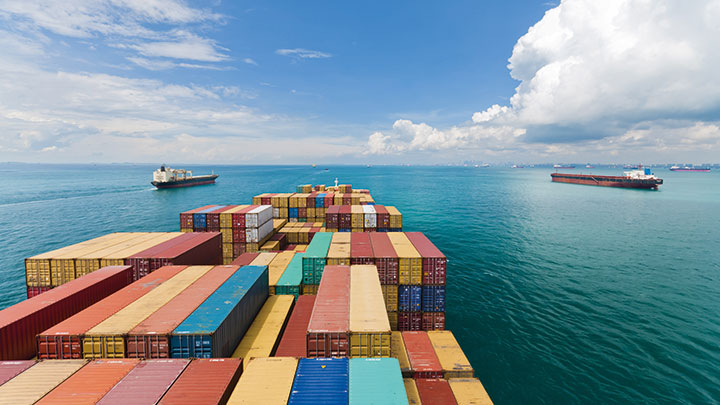
Shipping goods by sea freight from China to Dubai remains one of the most reliable and cost-effective solutions for businesses trading between Asia and the Middle East. While air freight offers speed, sea freight provides a balance of affordability, large cargo capacity, and dependable schedules. However, importers often face questions about costs, transit times, customs clearance, and choosing between FCL or LCL shipping. This guide explains everything you need to know.
Why Choose Sea Freight from China to Dubai?
Sea freight is the backbone of international trade between China and the UAE. With Dubai acting as a re-export hub, shipments to Jebel Ali Port serve not only the UAE but also GCC and African markets.
- Cost efficiency: Much cheaper than air freight, especially for bulk cargo.
- Scalability: Options for full containers (FCL) and shared loads (LCL).
- Connectivity: Multiple weekly sailings from Chinese ports.
- Flexibility: Suitable for general cargo, machinery, furniture, and even dangerous goods with proper permits.
What Are the Transit Times for Sea Freight China to Dubai?
Transit times vary depending on the origin port in China.
| Route | Origin Port | Destination Port | Transit Time |
|---|---|---|---|
| East China → Dubai | Shanghai | Jebel Ali | 20–25 days |
| South China → Dubai | Shenzhen / Guangzhou | Jebel Ali | 16–22 days |
| North China → Dubai | Qingdao / Tianjin | Jebel Ali | 25–30 days |
| Central China → Dubai | Ningbo | Jebel Ali | 18–24 days |
Note: Transit times may shift due to seasonal congestion, weather, or carrier schedules.
How Much Does Sea Freight from China to Dubai Cost?
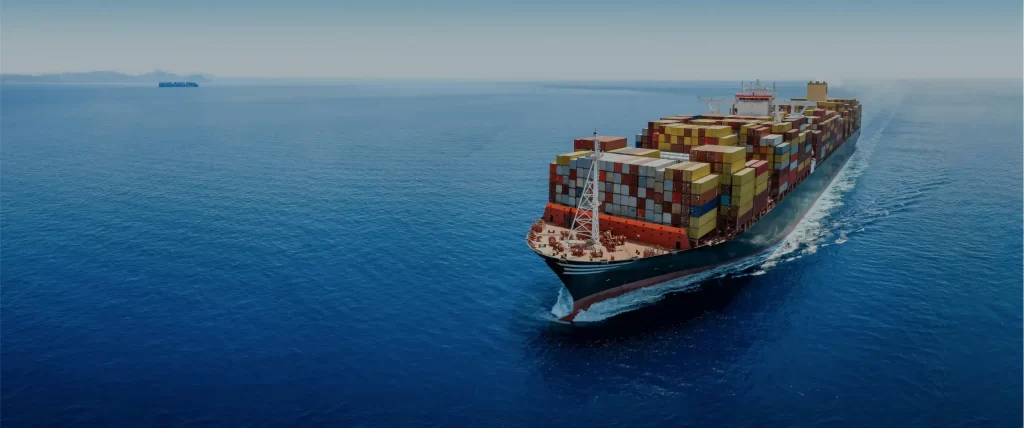
The sea freight cost from China to Dubai depends on container type, size, and cargo volume.
Estimated Container Pricing
| Container Type | Average Rate (USD) | Cargo Capacity (CBM) | Best For |
|---|---|---|---|
| 20ft FCL | $1,200 – $1,800 | 28–30 CBM | Small to medium shipments |
| 40ft FCL | $1,800 – $2,500 | 58–60 CBM | Large shipments |
| LCL (per CBM) | $60 – $90 / CBM | Flexible | Small cargo under 15 CBM |
Prices fluctuate based on fuel surcharge, demand, and shipping season.
Should You Choose FCL or LCL?
| Factor | FCL (Full Container Load) | LCL (Less than Container Load) |
|---|---|---|
| Cost | Cheaper per unit if fully utilized | Flexible, pay only for used space |
| Transit Time | Direct, faster | Longer due to consolidation/deconsolidation |
| Risk | Lower risk of cargo damage | Higher handling, more risk |
| Best For | 15+ CBM or high-value goods | Small/medium shipments under 15 CBM |
What Documents Are Required for Shipping to Dubai?
Correct paperwork is essential to avoid customs delays.
| Document | Purpose |
|---|---|
| Bill of Lading (B/L) | Proof of shipment & contract of carriage |
| Commercial Invoice | Declares value for customs duty |
| Packing List | Detailed description of cargo |
| Certificate of Origin | Confirms source country (China) |
| Importer Code (UAE) | Required for clearance in Dubai |
| HS Code Declaration | Identifies product classification |
How Does Customs Clearance Work in Dubai?
- Pre-clearance: Submit shipping documents via Dubai Trade Portal.
- Duty & VAT: Standard 5% duty (exemptions for some products) and 5% VAT apply.
- Inspection: Some goods (electronics, cosmetics, medical devices) require approval from local authorities.
- Delivery: After clearance, containers are moved to warehouses or delivered directly.
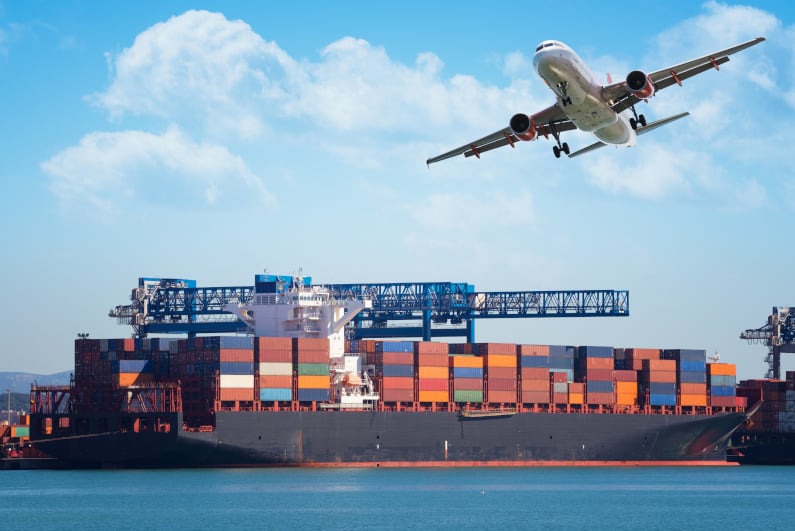
Sea Freight vs. Air Freight vs. Rail Freight
| Mode | Transit Time | Cost Level | Capacity | Best For |
|---|---|---|---|---|
| Sea Freight | 16–30 days | Low | Very high | Bulk cargo, heavy goods |
| Air Freight | 3–7 days | High | Limited | Urgent, perishable cargo |
| Rail Freight | 18–25 days (via Eurasia) | Medium | Medium | Not common for Dubai, but possible via Iran |
Sea freight strikes the best balance for most China–Dubai trade routes.
How to Reduce Sea Freight Costs from China to Dubai?
- Book early to avoid seasonal peak surcharges.
- Choose the right container size to maximize space usage.
- Work with a freight forwarder who consolidates LCL shipments.
- Negotiate annual contracts with carriers for stable pricing.
- Ensure accurate documentation to avoid customs fines or storage fees.
What Are the Major Chinese Ports for Dubai Shipments?
- Shanghai – High volume, frequent sailings.
- Shenzhen (Yantian/Shekou) – Efficient for electronics and textiles.
- Ningbo – Key export hub for machinery and auto parts.
- Qingdao/Tianjin – Northern gateway for bulk commodities.
Key Benefits of Shipping to Dubai by Sea
- Access to Jebel Ali Free Zone (JAFZA) for re-exporting goods tax-free.
- Lower freight costs compared to air cargo.
- Wide network of shipping lines and schedules.
- Ability to handle diverse cargo types (general, reefer, oversized).
📦Get a Free Quote
Looking for the most reliable sea freight from China to Dubai? Our team offers competitive rates, flexible FCL/LCL solutions, and end-to-end logistics support. Contact us today to get a free shipping quote tailored to your business needs.
❓ Frequently Asked Questions
1. How long does sea freight take from China to Dubai?
It typically takes 16–30 days depending on the port of origin in China and carrier schedule.
2. What is the cheapest way to ship from China to Dubai?
LCL sea freight is cheapest for small loads, while FCL is more economical for larger volumes.
3. Do I need an import license for Dubai?
Yes, importers must register and obtain an Importer Code from Dubai Customs.
4. Can I ship dangerous goods by sea?
Yes, but you need special permits and IMDG-compliant packaging for hazardous cargo.
5. What are the main Chinese ports for Dubai shipments?
Shanghai, Shenzhen, Ningbo, Qingdao, and Tianjin are the key export ports.
Conclusion
Shipping by sea freight from China to Dubai offers a practical and cost-efficient solution for businesses moving bulk goods. With transit times between 16–30 days, competitive container rates, and well-connected ports, it ensures reliable trade flows. By preparing documents correctly and choosing the right shipping option, importers can streamline operations and minimize costs.