

- By kelly
- August 11, 2025
- China Sea Freight Guide
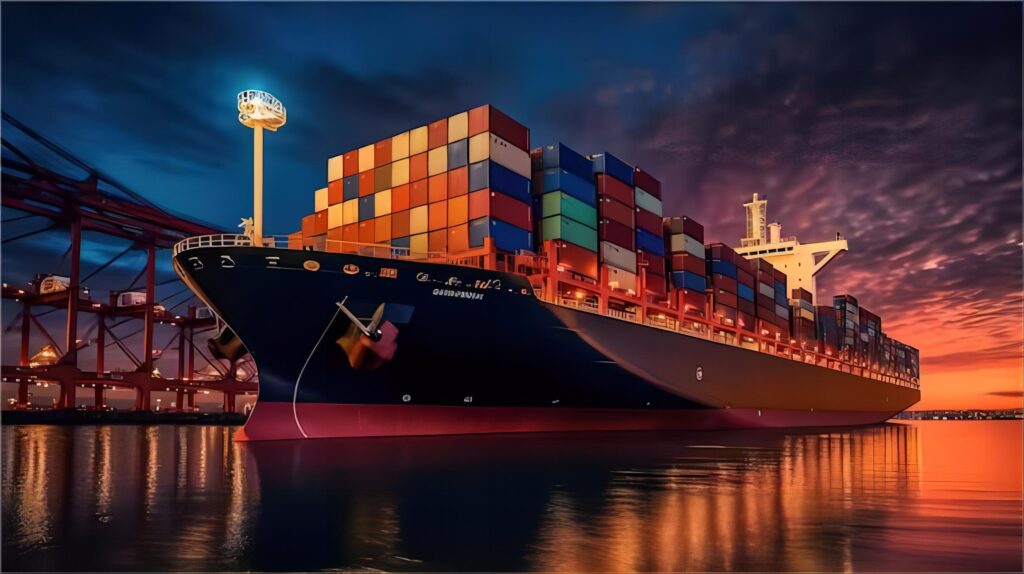
1. Overview: Why Sea Freight Matters
Sea freight remains the most cost-effective option for shipping bulk and heavy goods between China and India, offering flexibility and scalability that other modes can’t match.
2. Shipping Options: FCL vs LCL
- FCL (Full Container Load): Ideal for large shipments. Shipping an entire container often reduces handling complexity and risk.
- LCL (Less-than-Container Load): Cost-efficient for smaller consignments by sharing container space with others.
3. Cost Insights & Estimations
- Sea freight rates can range from $1,100 to $2,200 for 20- to 40-foot containers, depending on origin and destination ports.
- Direct quotes from logistics providers:
- Shanghai → Mumbai: ~$1,200–$1,800
- Guangzhou → Chennai: ~$1,100–$1,400
- DDP (Delivered Duty Paid) options: ~$200 per cubic meter with transit times of 15–20 days .
4. Transit Timeframes
Expect sea transit to take 15–45 days, influenced by route, season, and whether you’re using FCL or LCL.
5. Major Port Hubs
- Jawaharlal Nehru Port (Mumbai area): India’s second-largest container port, handling over 5.8 million TEUs annually and undergoing ongoing infrastructure expansion.
- Chennai Port: Features two main container terminals with plans for further expansion and improved handling capacity.
6. Customs, Duties & Documentation
Proper paperwork is essential:
- Common requirements: commercial invoice, packing list, certificate of origin, bill of lading.
- For DDP shipments, the seller manages all duties and taxes to simplify import processing.
Add Your Heading Text Here
| Advantage | Tip |
|---|---|
| Cost efficiency | Best for large or heavy shipments; plan early to leverage rates |
| Versatile cargo options | Choose LCL for small loads, FCL for full containers |
| Door-to-door convenience | Opt for DDP services to avoid customs hassles and delays |
- Work with a reliable freight forwarder to navigate paperwork and help optimize cost and timelines.
- Be mindful of holiday seasons (e.g., Chinese New Year) when scheduling shipments to avoid delays.
8. Final Thoughtse
Sea freight from China to India offers a powerful blend of affordability and capacity for businesses shipping substantial goods. Whether you’re sending full containers or small consolidated shipments, choosing the right service—FCL or LCL, DDP or standard—and partnering with a competent logistics agent can streamline your operations and elevate efficiency.
📦 Get Your Sea Freight from China to India Quote Today
At TJ China Freight, we specialize in providing reliable, cost-effective Sea Freight from China to India solutions tailored to your business needs. Whether you require FCL for large shipments or LCL for smaller loads, our expert team ensures smooth customs clearance, competitive rates, and timely deliveries.
❓ Frequently Asked Questions – Sea Freight from China to India
1. What is the cheapest way to ship from China to India?
Sea freight is generally the most affordable option for large and heavy goods. For smaller shipments, LCL (Less-than-Container Load) can significantly reduce costs by sharing container space with other consignments.
2. How do I choose between FCL and LCL?
- FCL: Best for shipments that fill an entire container or require extra security.
- LCL: Ideal for shipments under 15 cubic meters where cost-sharing makes sense.
Our team can help you compare both based on your volume, weight, and delivery timeline.
3. What are the peak shipping seasons to avoid?
Avoid shipping during Chinese New Year (late Jan–Feb) and Golden Week (early October) when factory closures and high demand often cause rate spikes and delays.
4. Are there restricted or prohibited items?
Yes. Items such as hazardous chemicals, counterfeit products, and certain electronics may be restricted or require special permits. Always check with your freight forwarder for updated regulations.
5. Do I need to handle customs clearance myself?
Not necessarily. With DDP (Delivered Duty Paid) services, TJ China Freight handles all customs formalities, duties, and taxes on your behalf for a hassle-free experience.
6. How can I track my shipment?
We provide a real-time online tracking system so you can monitor your container’s location, estimated arrival, and clearance status at every step.